Blogs

Blogs

Projected Pricing Analysis of Blow Molding Systems for 2026

2026-02-05 0 Leave me a message

With the plastic bottles and containers market set to expand from USD 166.78 billion (2019) to USD 224.97 billion (by 2026), bottle producers are focusing on one key goal: producing more efficiently.


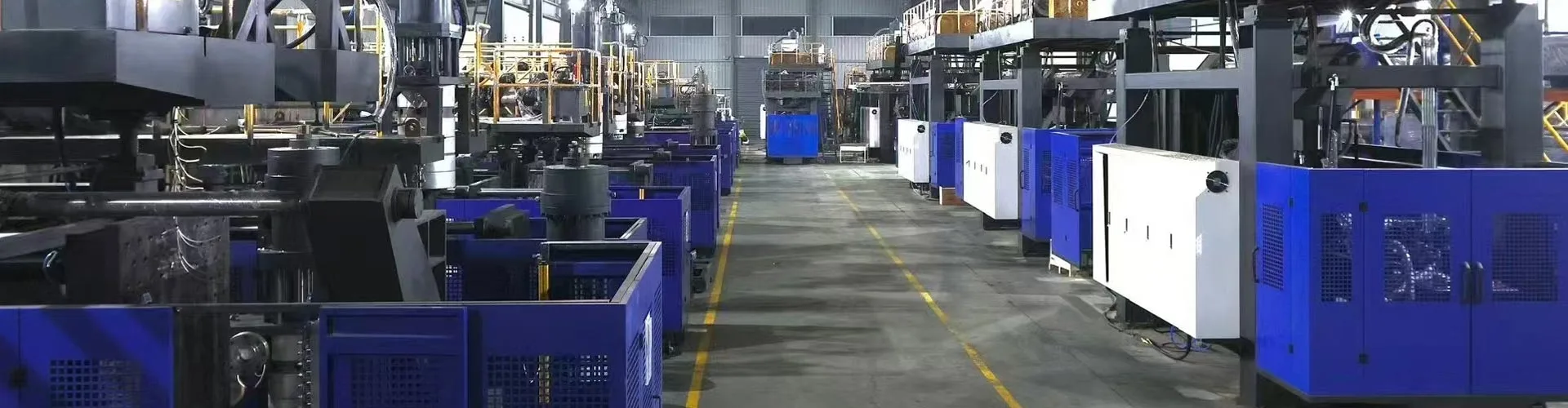
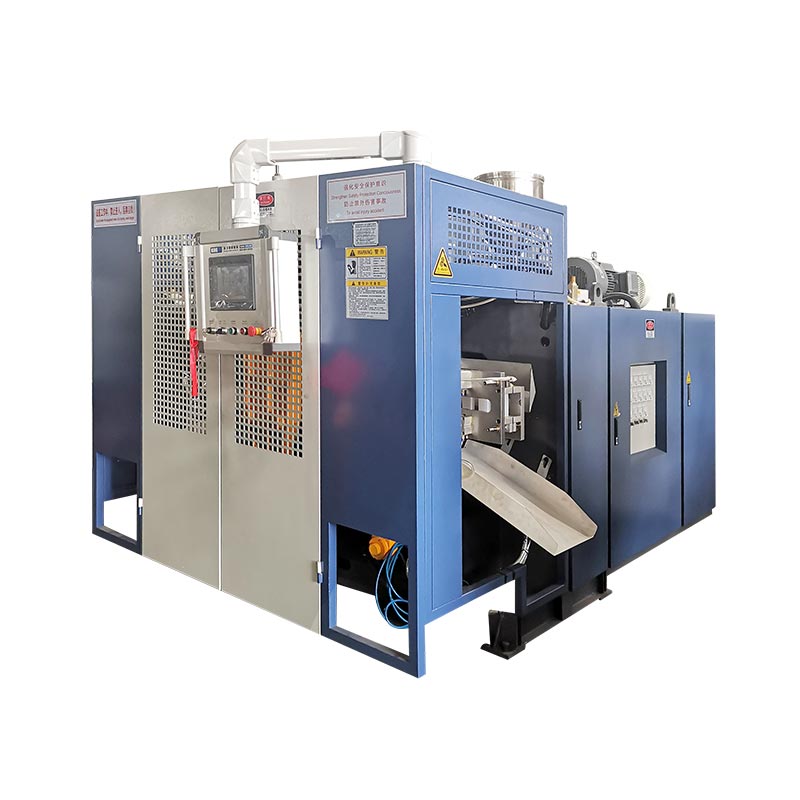
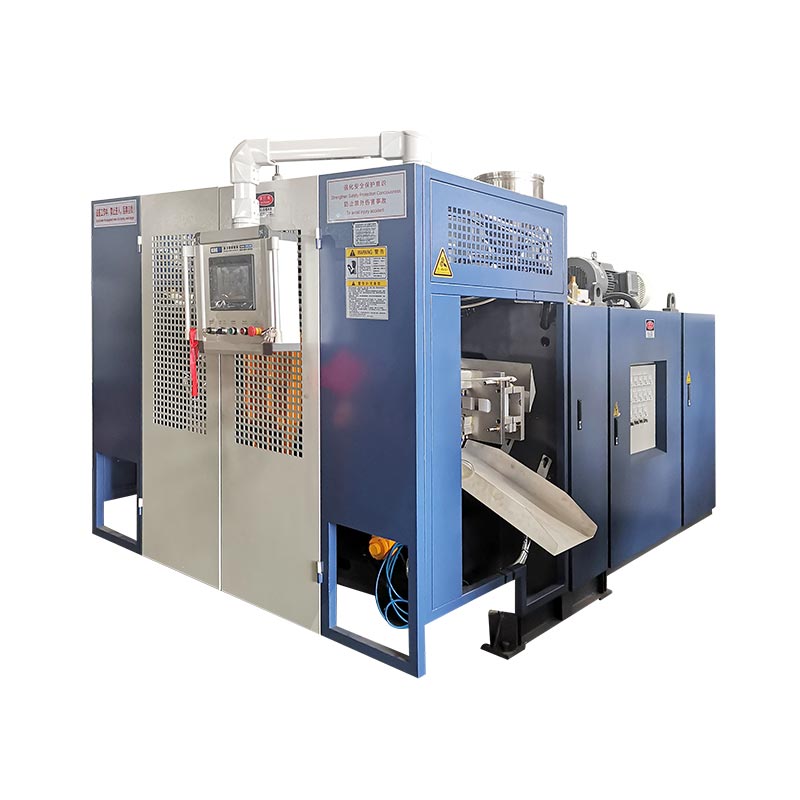
Blow Molding Systems


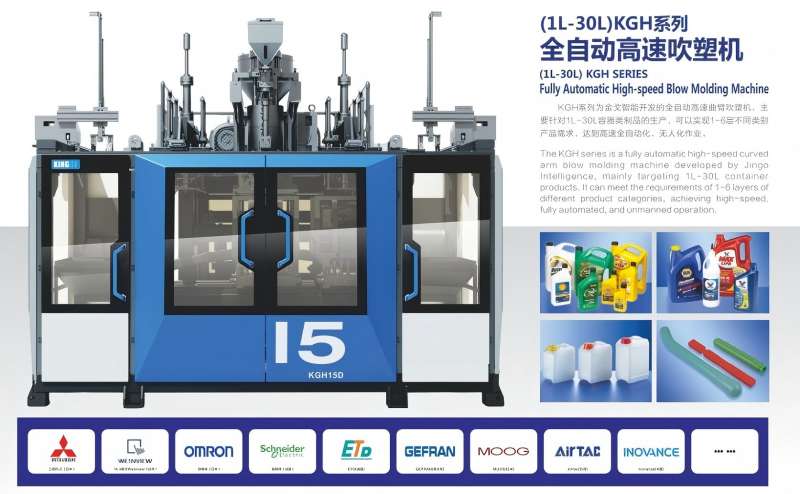
The answer lies in innovative blow molding machines. As the leading technology for improving bottle production, these systems have captured market attention by delivering the high-quality, durable containers required for today's food service, packaging, and shipping demands. Progress in machine accuracy and speed is fueling this sector's growth, expected to mature into a $65.1 billion market by 2030.


Considering a new machine to increase your production capacity? The first step is to get a clear picture of current equipment pricing. This guide will walk you through the costs involved, helping you decide if a blow molding machine is the right move for your business.


Understanding the Cost Factors for Blow Molding Equipment

Several key variables determine the cost of a blow molding machine, including its type, size, production capacity, brand, and degree of customization. Procurement teams must evaluate these factors to select equipment that aligns with both production targets and budget constraints. For instance, a basic machine for small-scale operations is significantly less expensive than a high-speed model designed for mass production.


Machine Type: Costs differ among extrusion, injection, and stretch blow molding systems, each suited to specific applications.

Size & Output: Machines with larger dimensions or higher production capacities command higher prices.

Brand & Reliability: Established brands often come at a premium but offer greater durability and performance assurance.

Custom Features: Tailored solutions to meet unique requirements will increase the initial investment.

Regional Variations: Significant price disparities exist across markets, such as between North America and Asia.


A clear understanding of these elements enables procurement professionals to make strategic investments, balancing upfront costs with long-term operational value.


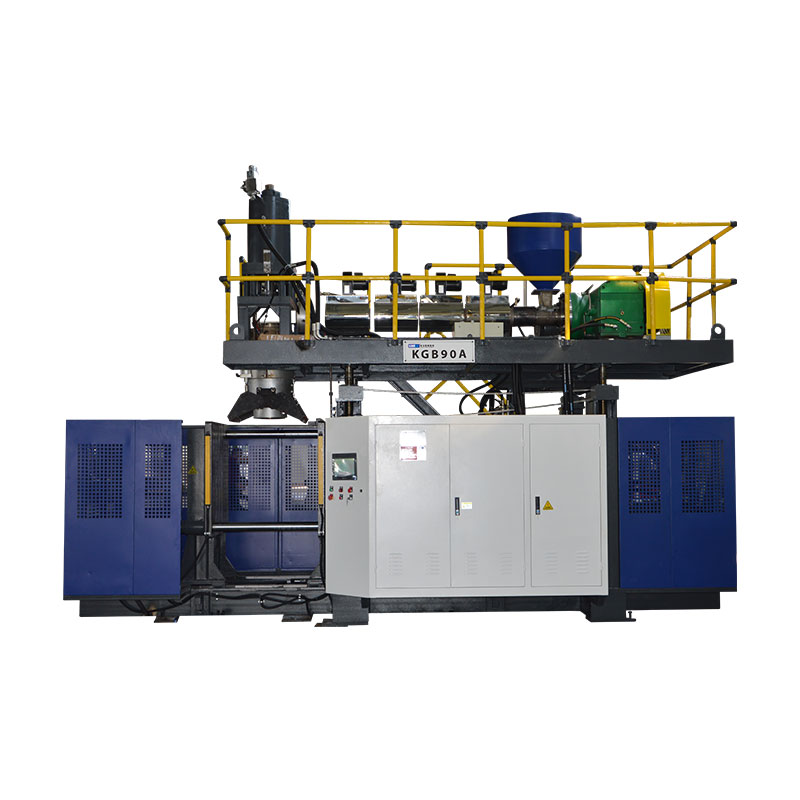
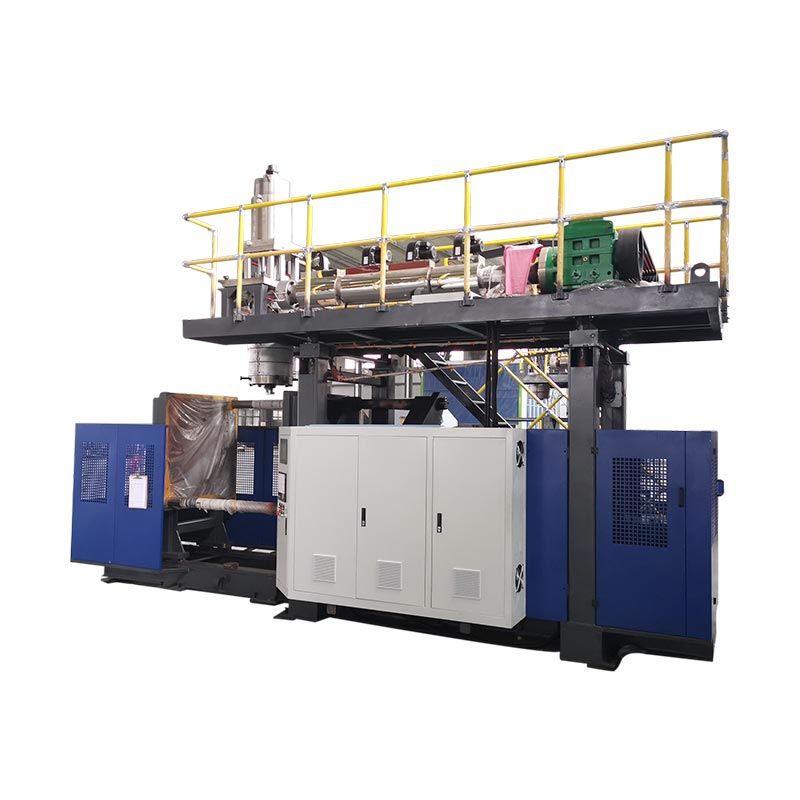
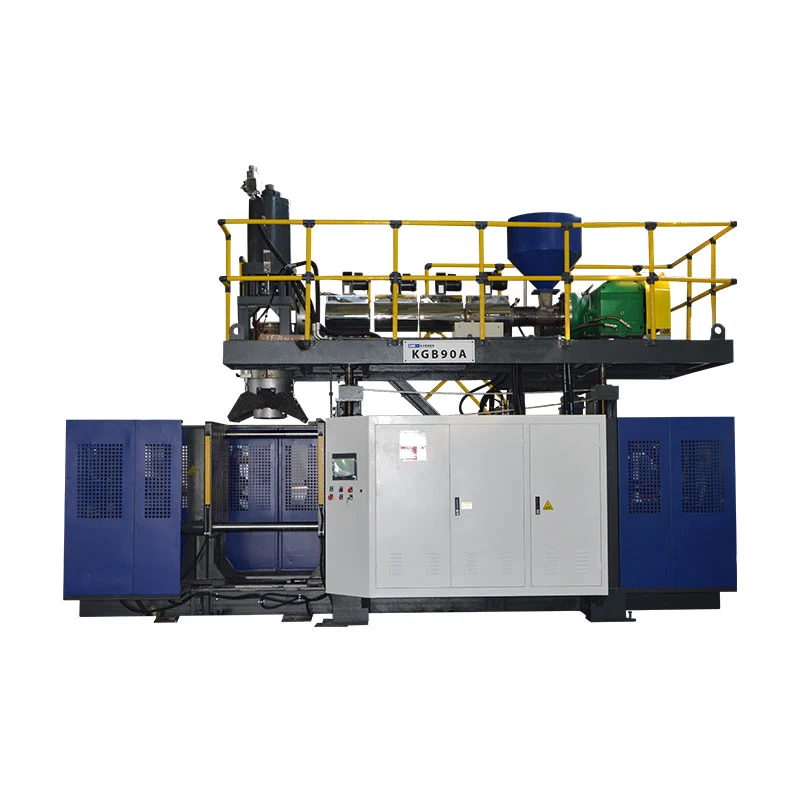
Blow Molding Systems


Machine Size and Output: Key Drivers of Equipment Cost

Pricing by Product Size

The physical dimensions of the intended end product are a primary determinant of machine cost. The following table outlines typical price ranges based on this parameter (KINGGLE Blow Molding):

Machine Type Product Size Price Range (USD)
Small Blow Molding Machine Up to 5L $18,000 - $47,000
Medium Blow Molding Machine 10 - 30L $28,000 - $65,000
Medium-large Blow Molding Machine 30 - 60L $47,000 - $88,000
Large Blow Molding Machine 60 - 250L $60,000 - $260,000
Extra-Large Blow Molding Machine over than 250L $190,000 - 1,000,000+


Production throughput directly correlates with cost. Machines engineered for higher output—through features like multi-cavity molds or rapid cycle times—command a significant price premium. For instance, high-speed stretch blow molding systems for PET bottles, capable of producing thousands of units per hour, often exceed $500,000.

Therefore, a precise assessment of both product size and required output volume is essential for procurement teams to align capital investment with operational needs and achieve optimal cost efficiency.


Customization & Features: Understanding the Cost Premium

Standard machines for common tasks are cost-effective. Customized solutions for specific products or processes, like adding multi-layer extrusion for chemical containers, incur significant cost premiums.


Automation: Reduces labor but increases initial investment.

Advanced Controls: PLCs and touchscreens enhance precision at higher cost.

Energy Efficiency: Upgrades like servo-drives raise price but lower operating costs.

Mold: Custom molds are a major added expense.

Special product: For regular package have standard model, but for specific industry product need customized machine specification.


To optimize budget, procurement should prioritize features essential to core production goals, avoiding unnecessary complexity.


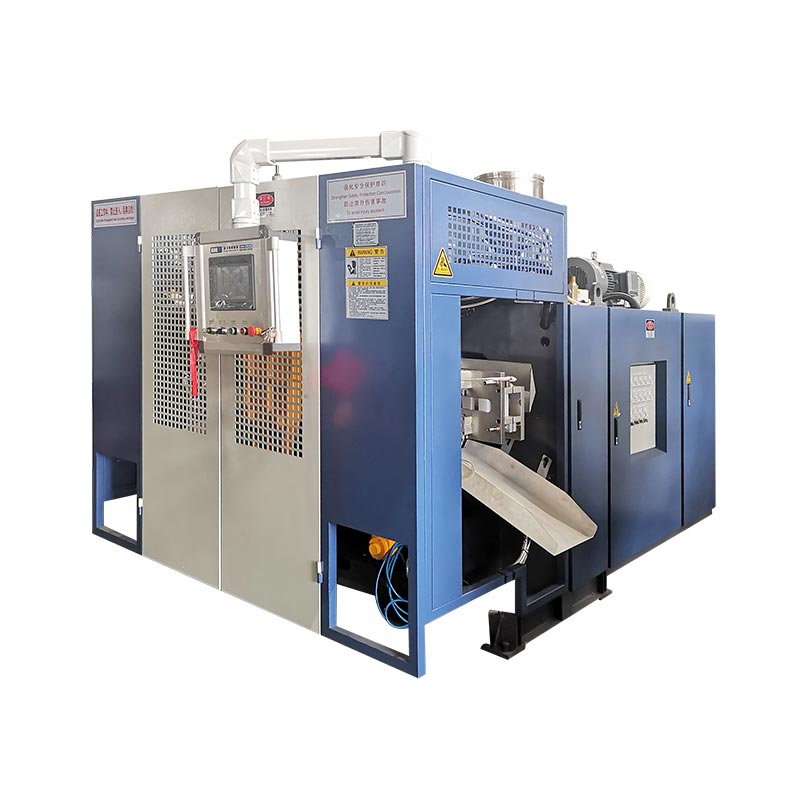
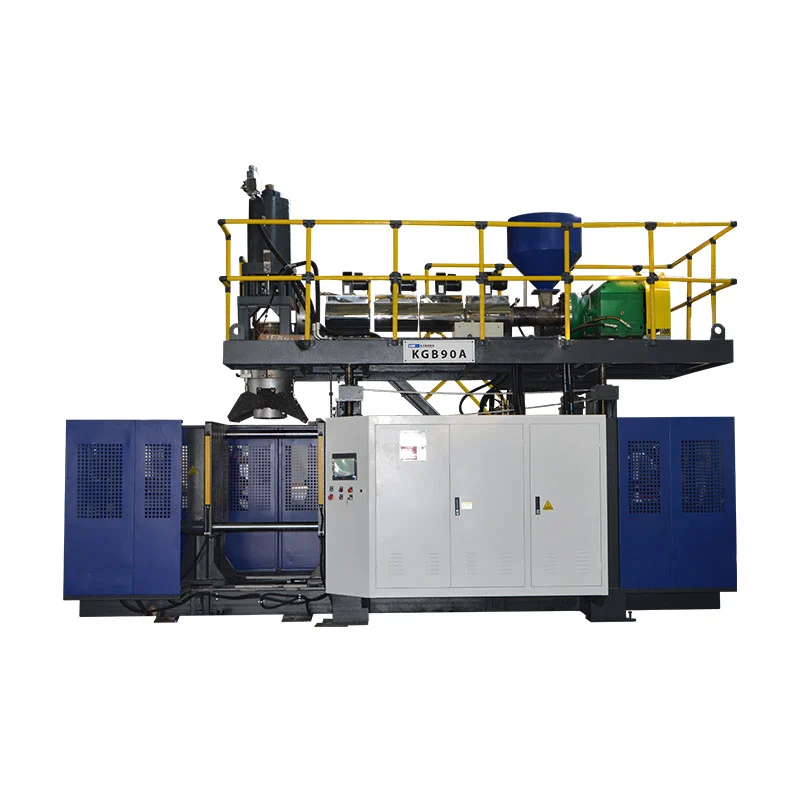
Blow Molding Systems


A Framework for Analyzing Blow Molding Machine Total Cost of Ownership (TCO)

1. Capital Expenditure (CapEx) Breakdown

The initial investment extends beyond the invoice price of the equipment itself.

Equipment Purchase: Market prices range from $50,000–$100,000 for small units to $200,000–$500,000+ for large, high-capacity systems (Dawson Plastic).

Installation & Setup: Budget an additional $10,000–$50,000 for delivery, site work, utilities integration, and professional commissioning, often amounting to 5–10% of the machine cost.


2. Operational Expenditure (OpEx) Drivers

Ongoing costs determine long-term affordability and require careful projection.

Planned Maintenance: Annual costs of $5,000–$20,000 are typical for parts and service. Maintaining a stock of critical spares and considering service agreements can mitigate downtime risks.

Energy & Utilities: Power consumption is a significant variable cost. Annual electricity expenses can reach $10,000–$30,000; efficiency features in newer models should be evaluated for their payback period.

Productivity Impact: The cost of unplanned downtime, measured in lost production revenue, must be factored into TCO. Machine reliability and support responsiveness are key value drivers.


3. Lifecycle Financial Considerations

A complete TCO analysis incorporates the asset's financial lifecycle.

Depreciation & Residual Value: Equipment depreciates over 7–10 years. Higher-quality machines tend to retain better resale value.

Return on Investment (ROI): True ROI calculation balances increased revenue/profit from enhanced production capabilities against the total CapEx, OpEx, and any financing costs. The most cost-effective choice often prioritizes lifetime performance over initial savings.


Finally

To conclude, blow molding machine costs are determined by multiple factors, including type, size, brand, customization, and region. Entry-level machines start around $6,000, while advanced industrial units can exceed $1 million. Importantly, the total cost of ownership—factoring in installation, energy, maintenance, and downtime—must be central to your evaluation. Although Asian manufacturers often provide cost advantages, equipment from U.S. and European builders typically delivers higher durability and stronger technical support.


We recommend that buyers:

Clearly define production requirements and industry specifications.

Compare both upfront price and long-term operating costs.

Choose a partner that balances performance, reliability, and value.


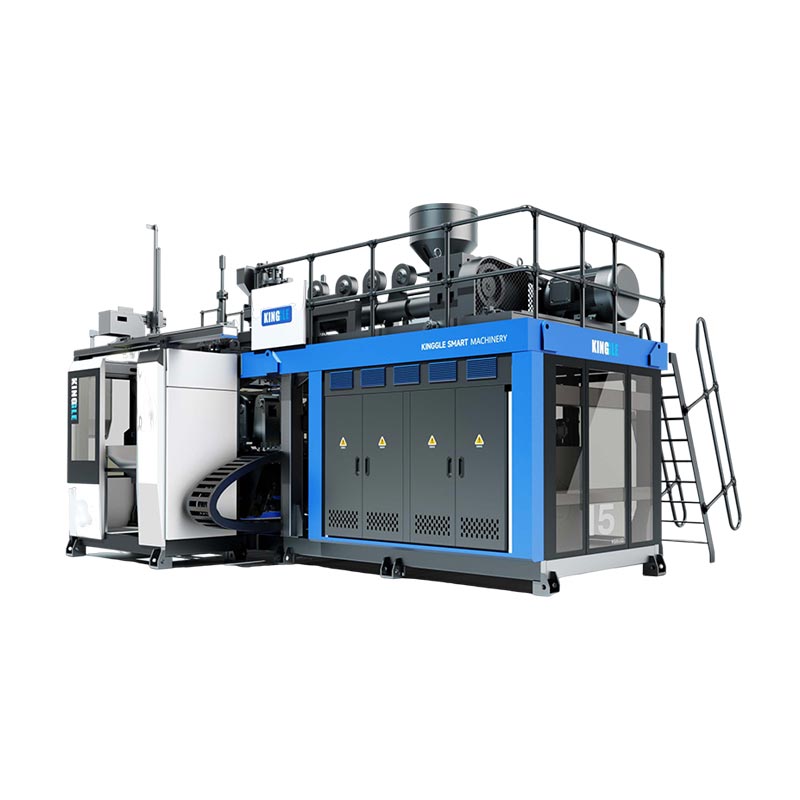
Looking for the right blow molding machine? Reach out to KINGGLE for personalized guidance and a competitive quote. Our portfolio of precision extrusion blow molding machines and automation systems is designed to enhance your productivity while staying within budget.


Send Inquiry


Related News
Leave me a message
X
We use cookies to offer you a better browsing experience, analyze site traffic and personalize content. By using this site, you agree to our use of cookies. Privacy Policy
Reject Accept