Blogs

Blogs

Industry News

KGB100B 120L Accumulator Blow Molding Machine: Will It Fit Your Part?23 2026-09

KGB100B 120L Accumulator Blow Molding Machine: Will It Fit Your Part?

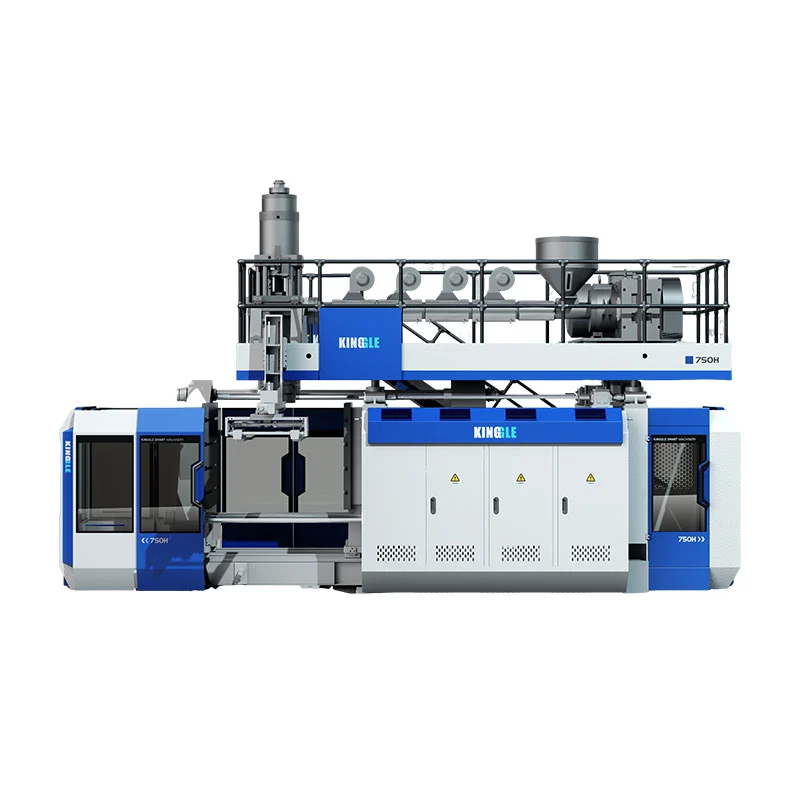
The KGB100B is a candidate for large hollow products only when the part, mold, gross parison and factory all fit its published limits. Kinggle lists a 120 L maximum container capacity, a 920 x 1200 mm maximum mold size, a 12(20) L accumulator reference and a 9(15) kg PE accumulator-weight reference. Those figures start the engineering review, but a product drawing and trial plan must settle the final choice.
KGB80A vs KGB80AP: Which 30L Accumulator Blow Molding Machine Fits Your Product?16 2026-09

KGB80A vs KGB80AP: Which 30L Accumulator Blow Molding Machine Fits Your Product?

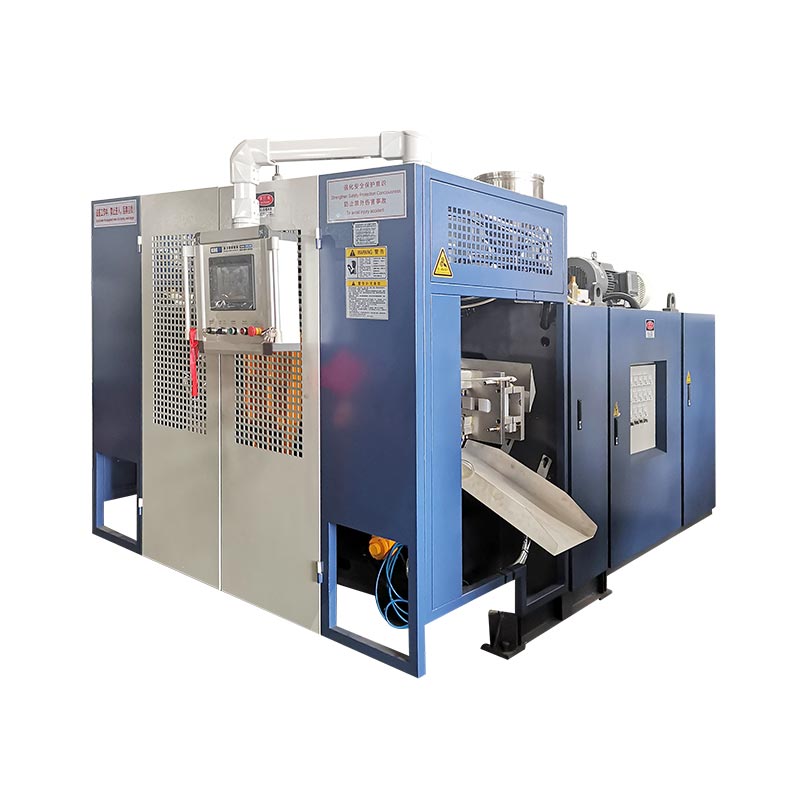
Choose between the KGB80A and KGB80AP by the number of material streams your product requires. Kinggle's published KGB80A table lists one 80 mm screw, while the KGB80AP table lists two 70 mm screws and describes double-layer or double-color production. Their published mold envelope, clamp, accumulator and utility references are otherwise the same, so a valid decision still needs the actual part, mold, resin plan and trial criteria.
KGB90A vs KGB90AP: Choosing a 60L Accumulator Blow Molding Machine16 2026-09

KGB90A vs KGB90AP: Choosing a 60L Accumulator Blow Molding Machine

Choose the Kinggle KGB90A when the approved product can use the published single-extruder layout and does not require the KGB90AP's two melt streams, after its material, output and product tests are defined. Choose the KGB90AP when the product specification genuinely calls for double-layer or double-color extrusion, because its current product page lists two 70 mm screws and the two material streams must be inspected separately. Before either choice, confirm the mold envelope, gross parison mass, resin, wall structure, accepted output and factory utilities against the finished part rather than relying on the 60L capacity label alone.
Extrusion Blow Molding Machine Energy Consumption: Measure kWh per Accepted Part16 2026-09

Extrusion Blow Molding Machine Energy Consumption: Measure kWh per Accepted Part

The most useful blow molding energy metric is not installed power or one momentary kW reading, because neither shows how much saleable production came from the energy consumed under stable, specified production conditions. Use electricity measured during a stable production window, divide it by accepted output from the same timed window, and record the boundary, meter positions, product, mold, resin, cycle and quality rules. For a full operating-cost view, measure the blow molding machine first, then add allocated compressed-air, cooling, material-handling, scrap-handling and downstream loads when they sit outside the main machine meter, without counting the same energy twice.
Blow Molding Cycle Time Optimization: Measure the Limiting Step11 2026-09

Blow Molding Cycle Time Optimization: Measure the Limiting Step

Blow molding cycle time should be reduced only after the team measures where the current cycle is being consumed and confirms that the accepted part still meets its specification. Cooling often occupies the largest block, but parison delivery, clamp motion, blowing, exhaust, take-out and downstream waiting can also set the pace. Build a stable baseline, name one evidenced constraint, change only the variable that controls it, and then compare accepted output, wall distribution, dimensions, post-ejection shape, required functional tests and defects before keeping the shorter cycle, with the product, resin, mold, utility condition and final recipe revision recorded so another shift can repeat the result.
Blow Molding Machine Changeover: A Controlled Path to the Next Approved Part11 2026-09

Blow Molding Machine Changeover: A Controlled Path to the Next Approved Part

Production teams may describe this work as an extrusion blow molding machine changeover, blow molding mold change, mold swap, tool change, bottle line change, blow molding color change, blow molding resin change or blow molding recipe change. These labels overlap, but they do not always describe the same scope. The job packet should state exactly which physical, material, digital and downstream elements will change.
X
We use cookies to offer you a better browsing experience, analyze site traffic and personalize content. By using this site, you agree to our use of cookies. Privacy Policy
RejectAccept