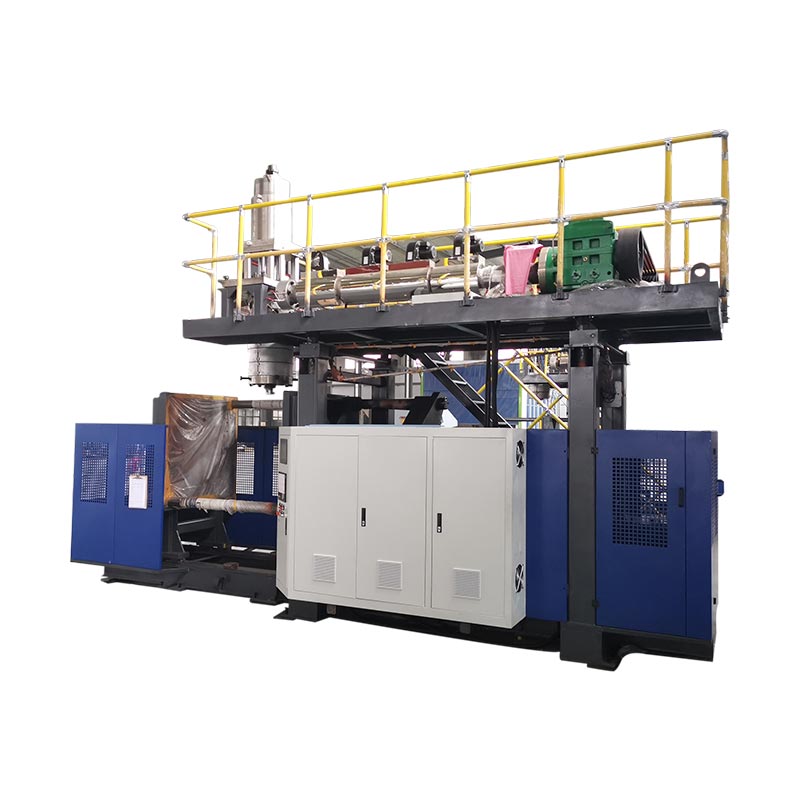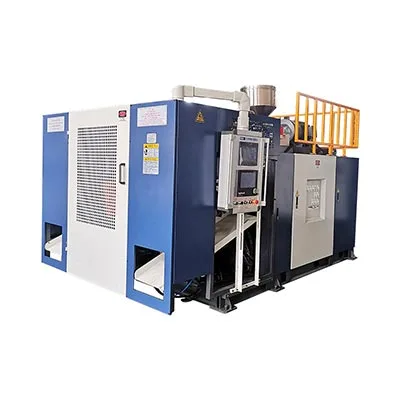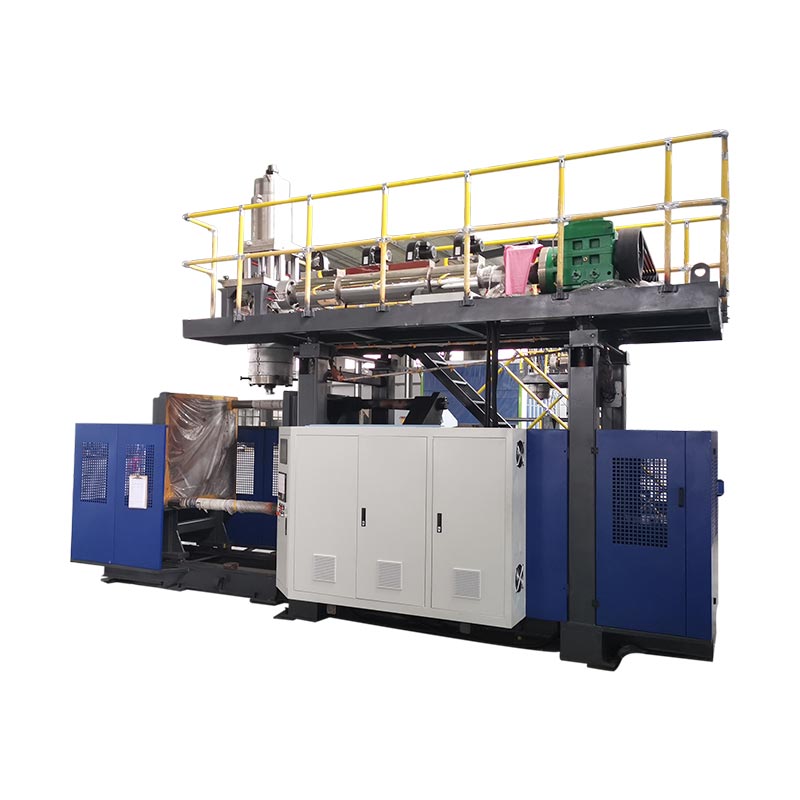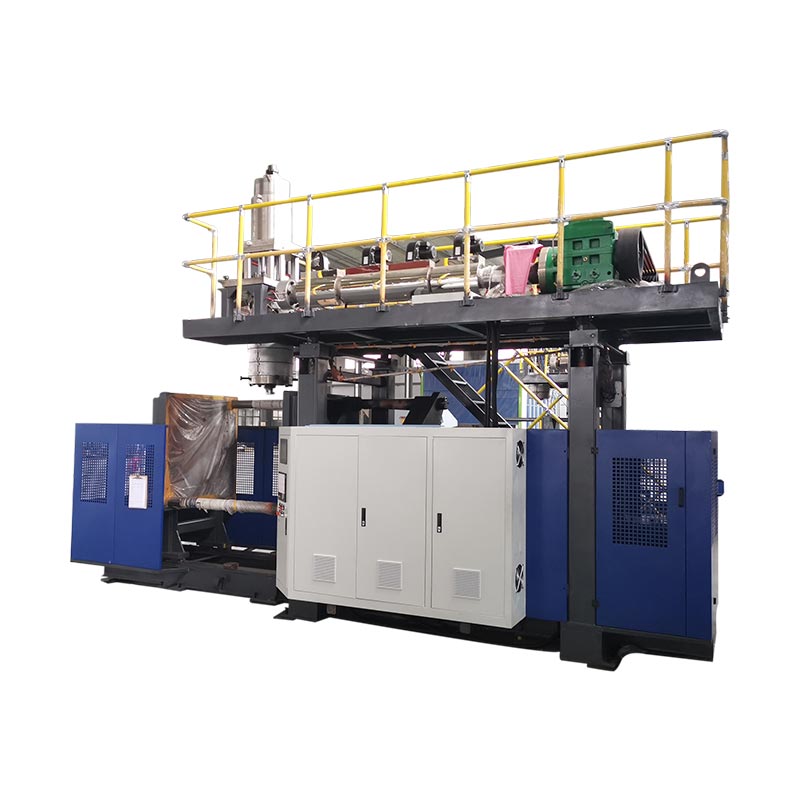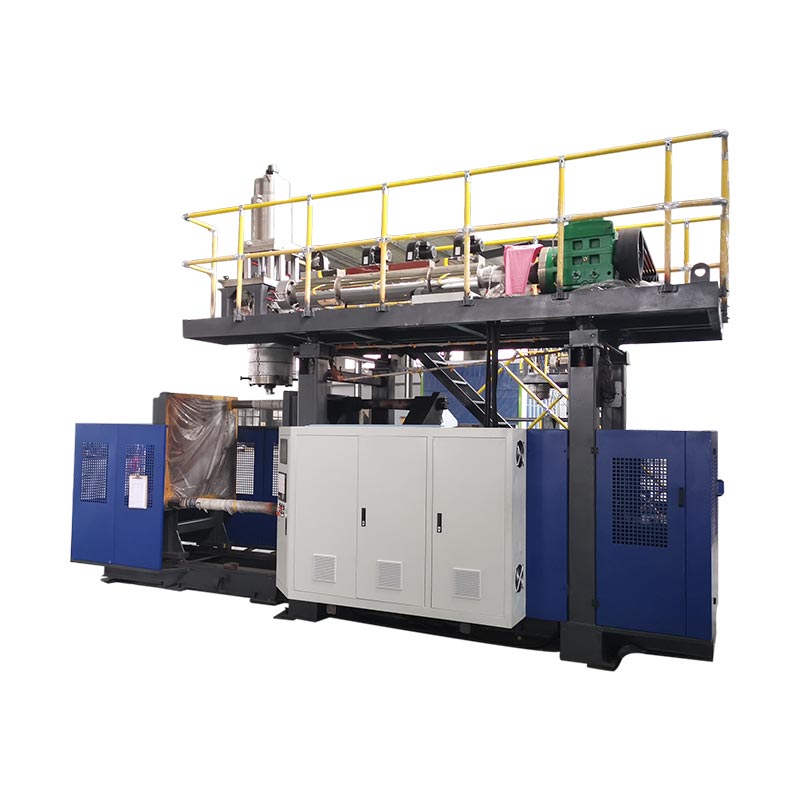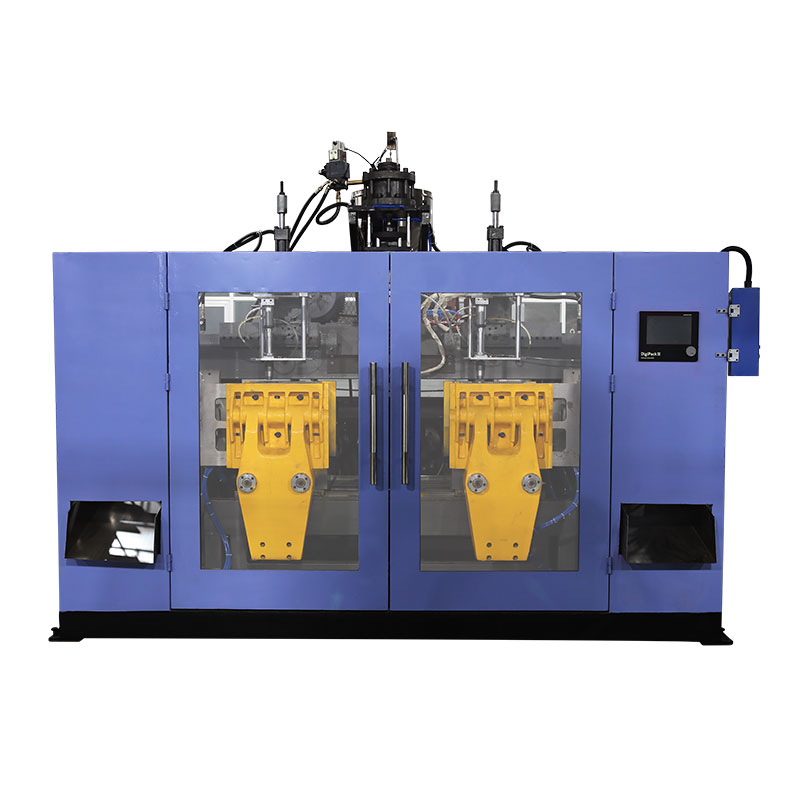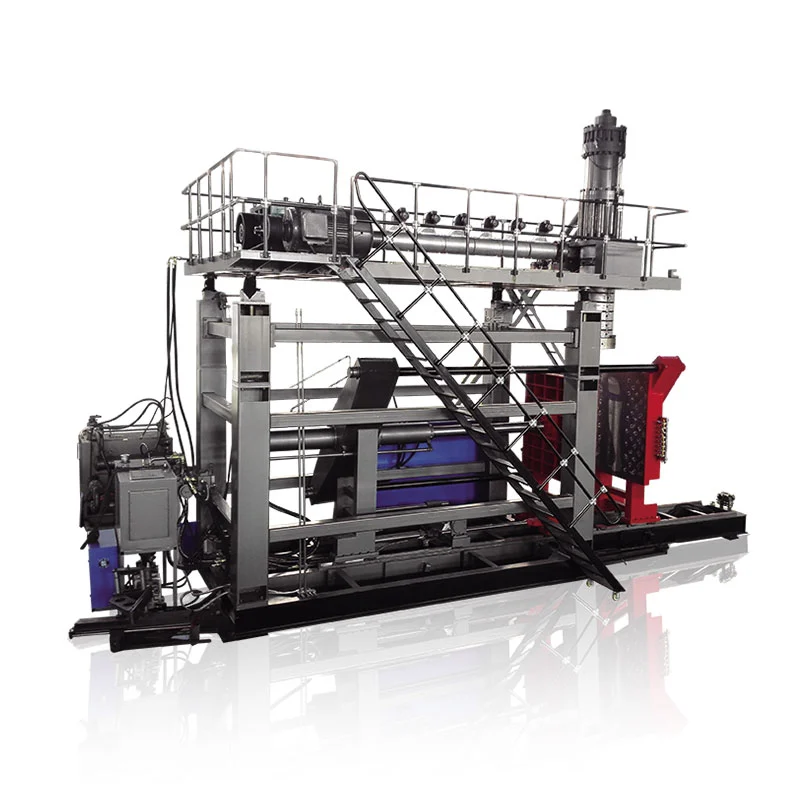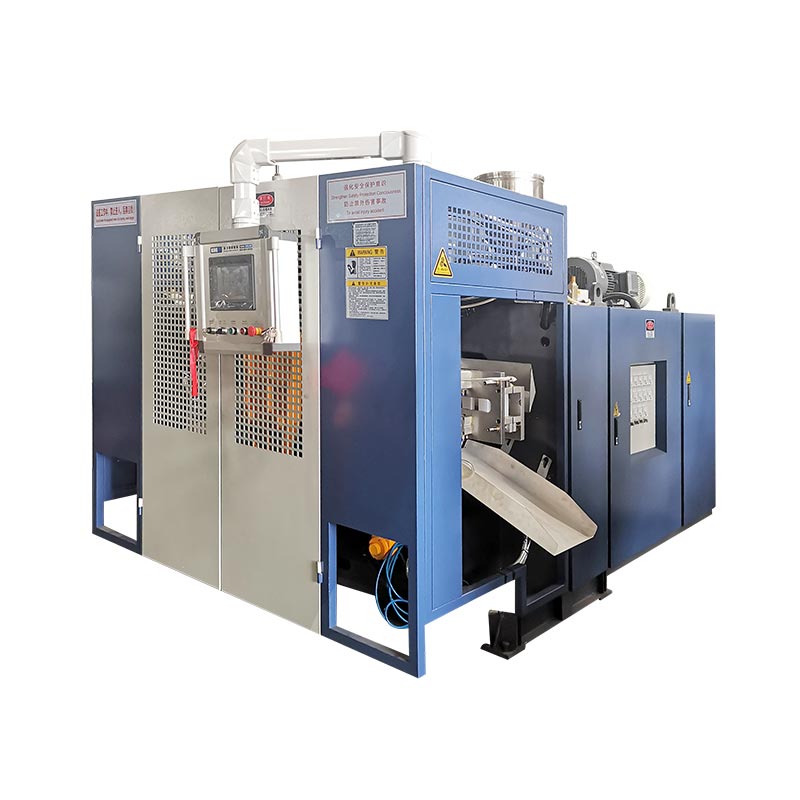
Choose the Kinggle KGB90A when the approved product can use the published single-extruder layout and does not require the KGB90AP's two melt streams, after its material, output and product tests are defined. Choose the KGB90AP when the product specification genuinely calls for double-layer or double-color extrusion, because its current product page lists two 70 mm screws and the two material streams must be inspected separately. Before either choice, confirm the mold envelope, gross parison mass, resin, wall structure, accepted output and factory utilities against the finished part rather than relying on the 60L capacity label alone.
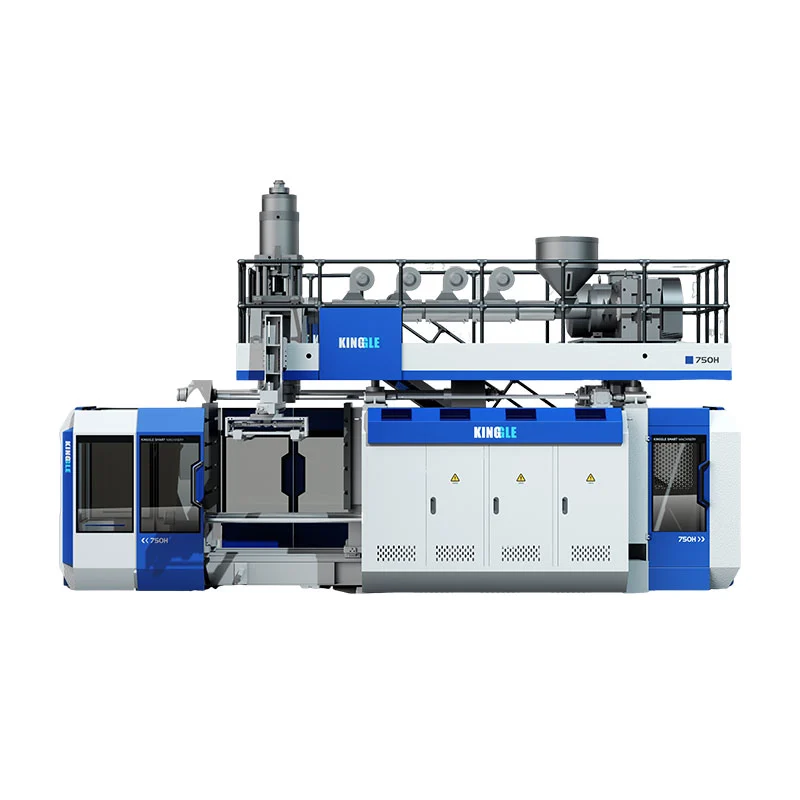
Five decisions to make before asking for a quotation
- One melt stream or two
- Maximum gross parison mass
- Finished mold size and interfaces
- Accepted output with the real product
- Machine and full-line utility scope
KGB90A
Published with one 90 mm screw and a 45 kW extruder motor. Start here for a one-stream product concept, subject to project confirmation.
KGB90AP
Published with two 70 mm screws and two 22 kW extruder motors. Its stated purpose is double-layer or double-color production.
| Published item | KGB90A | KGB90AP | Selection meaning |
|---|---|---|---|
| Maximum container capacity | 60 L | 60 L | Nominal capacity does not prove a specific part fits. |
| Extruder arrangement | One 90 mm screw | Two 70 mm screws | This is the main model difference for wall and color structure. |
| Extruder motor power | 45 kW | 2 x 22 kW | Installed motor ratings are not product energy results. |
| Published HDPE melting capacity | 130 to 160 kg/h | 130 to 160 kg/h | Confirm capacity with the actual resin and gross parison demand. |
| Accumulator capacity | 6.6 L | 6.6 L | Check shot volume and mass against the complete parison. |
| Published PE accumulator weight | 4.95 kg | 4.95 kg | Part weight alone excludes flash, tails and process allowance. |
| Clamping force | 280 kN | 280 kN | Projected area and process demand still require review. |
| Maximum mold size, W x H | 700 x 980 mm | 700 x 980 mm | The finished mold assembly must fit both dimensions. |
| Mold thickness range | 460 to 550 mm | 460 to 550 mm | Include inserts, back plates and mounting details. |
| Machine size, L x W x H | 5.45 x 3.5 x 4.2 m | 5.45 x 3.5 x 4.2 m | This is the machine envelope, not the full production cell. |
| Machine weight | 14 t | 15 t | Use the final general arrangement for foundation and handling. |
Source: current Kinggle KGB90A product page and KGB90AP product page, checked September 9, 2026. Figures are published references, not a guarantee for every configuration.
The first decision is the wall structure, not the 60L label
Both models carry the same nominal 60L capacity. That shared label does not make them interchangeable. The KGB90A product table lists one 90 mm screw. The KGB90AP table lists two 70 mm screws. Kinggle states that the double-extrusion system is intended for double-layer or double-color production.
Start with the product drawing. Mark every required wall layer, color region and material stream. State why each one exists. A second extruder is justified by a product requirement. It should not be added only because a more complex machine sounds more capable.
For a one-stream product, the KGB90A is the simpler published architecture. The final proposal still needs material and tooling review. The page lists PE, PP and ABS as material families, but that list does not prove every grade will process at the same output. Melt behavior, product geometry and acceptance tests remain project inputs.
For a specified double-layer or double-color product, the KGB90AP provides the two published extrusion streams. The quotation must go further. It should identify which resin or color feeds each stream. It should also state the target layer relationship, start-up method and inspection plan. Two extruders create capability. They do not define a finished wall specification by themselves.
Avoid confusing layers with die outlets or mold cavities. A layer runs through the product wall. A die outlet forms one parison. A cavity forms one part. Kinggle's head, cavity and layer guide separates those counts. Put each count on its own RFQ line.
What the two published tables say about the shared platform
The current model tables show a common forming envelope. Both list 280 kN clamping force and a 960 x 980 mm mold platen. Both show a maximum mold size of 700 x 980 mm. The published mold thickness range is 460 to 550 mm. The listed accumulator capacity is 6.6 L, with a PE accumulator weight of 4.95 kg.
These similarities make the extruder arrangement more visible. The KGB90A uses one 90 mm screw with a listed 45 kW extruder motor. The KGB90AP uses two 70 mm screws with two 22 kW motors. Both pages publish an HDPE melting-capacity range of 130 to 160 kg/h.
Do not add the two KGB90AP capacity figures unless the table explicitly presents separate outputs. It does not. The published range already describes the model. A double-extruder layout can divide the gross melt between streams, but the approved layer ratio decides each stream's real demand. The factory needs that ratio before sizing resin handling and running a trial.
The machine dimensions are also published as equal at 5.45 x 3.5 x 4.2 m. Listed weight changes from 14 t for KGB90A to 15 t for KGB90AP. That one-tonne difference is useful for early planning. It is not enough for the final foundation, lifting or shipping plan.
The two tables also carry the same dry-cycle label. Treat it as a machine-motion reference only. It does not identify a test container, resin, part weight, cooling time or reject rule. A product article should make that limit clear instead of turning a catalogue line into a production promise.
Where the KGB90A is the more direct starting point
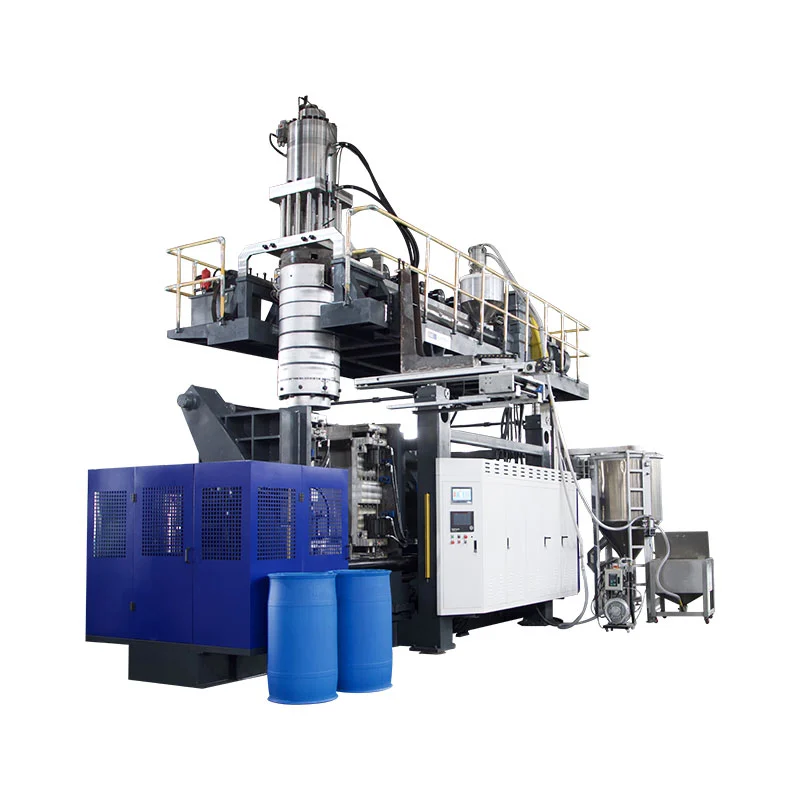
The KGB90A is the single-extruder model in this comparison. Its published page lists one 90 mm screw, a 24 L/D ratio and a 45 kW extruder motor. Kinggle also lists a MOOG 100 thickness controller, robot arm and bottom-blowing system as part of the standard model description.
This layout is a practical starting point when the approved product uses one melt stream. Possible applications listed by Kinggle include chemical packaging barrels, stacking buckets, outdoor water tanks, car tanks, toys, auto parts, toolboxes and traffic barriers. The list shows product breadth. It does not certify that every item in those groups fits one mold or one recipe.
Send the actual part before assuming fit. A 60L narrow tank and a 60L wide toolbox can have very different projected areas. Their molds can also differ in width, height and thickness. Handles, deep draws, inserts and parting lines affect the required parison and clamp load. The maximum product volume is only one screening value.
The single-extruder arrangement also makes the material path easier to define. There is one main resin stream to dry, feed, color and purge. That does not remove process work. Resin changes, color changes and regrind rules still affect start-up and changeover. The HDPE and PP guide explains why material names alone do not set the recipe.
Choose KGB90A only after the product requirement supports it. If the buyer later adds a second layer or a separate visible color stream, that change can affect the complete extrusion and die-head package. It is cheaper to settle the wall structure before the machine design is frozen.
What the KGB90AP adds, and what it still needs from the buyer
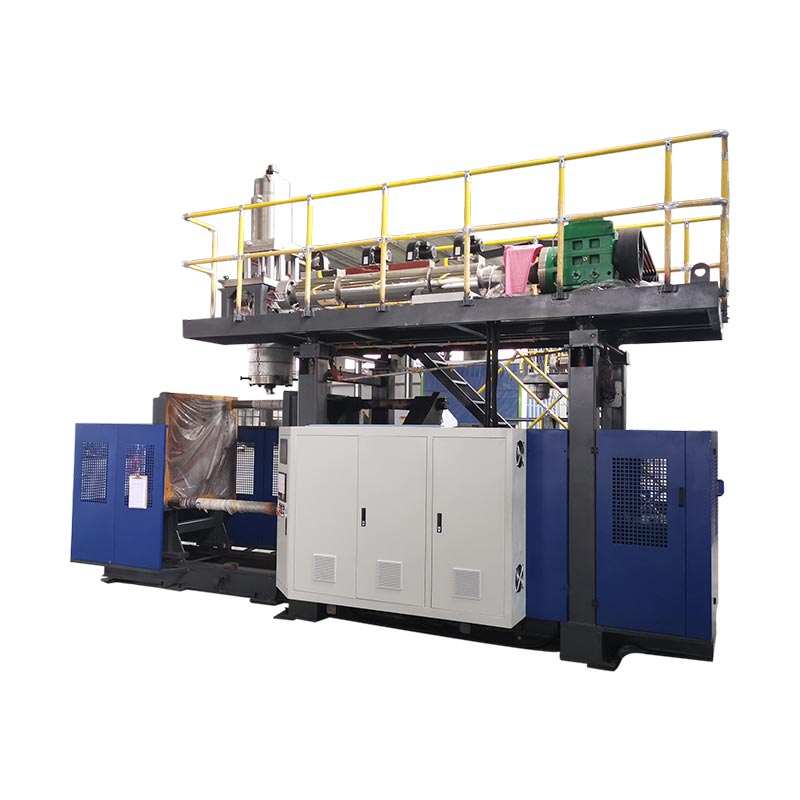
Kinggle describes the KGB90AP as the double-extrusion model for double-layer or double-color work. Its current table lists two 70 mm screws and two 22 kW extruder motors. The published maximum container capacity, clamping data, mold envelope and accumulator figures match the KGB90A table.
The extra extrusion stream is the defining difference. It lets the project feed two specified melt streams into the die-head system. Those streams may represent two colors or a designed layer structure. The buyer must provide the material pair and the required relationship between them. Compatibility should not be assumed from the words "double layer."
Layer control also needs an inspection method. Decide whether the factory will check total wall thickness, individual layer distribution, color boundary, appearance or a product-specific performance test. State where the part will be sectioned or measured. A pass result needs a drawing or control plan, not a visual opinion at the machine.
The published KGB90AP page also names toolboxes, chemical packaging and toys as applications. Each can put different demands on wall shape and color placement. A toolbox may have deep features and wide projected area. Chemical packaging may require a defined material and performance specification. Toy parts can bring appearance and color-boundary requirements. The machine proposal must follow the actual part.
The Kinggle-hosted MOOG DigiPack III manual explains that accumulator-machine wall profiles are related to accumulator position during push-out. That supports profile placement along the parison. It does not automatically control the buyer's layer ratio. The extrusion and die-head design must address that separate requirement.
A 60L product still has to fit the mold and accumulator
Nominal volume is a poor final fit test. Two hollow products can hold the same volume while demanding very different molds. Start with the part's maximum width, height and depth. Add the parting line, pinch-off, flash pockets, neck or bottom-blow interface, inserts, cooling connections and mounting plates.
Compare the finished mold assembly with the published machine window. Both 60L pages list a maximum mold size of 700 x 980 mm and a thickness range of 460 to 550 mm. The platen is listed at 960 x 980 mm. These figures allow early screening. The approved machine and mold drawings must confirm the final interface.
Next check the parison. Gross parison mass includes the finished product, flash, tails and any process material captured during forming. Both product pages list a 4.95 kg PE accumulator weight. Do not compare that number with finished part weight alone. Use the complete gross shot and confirm the actual resin.
The parison must also reach the required length and shape before gravity or cooling distorts it. Wall programming distributes material along that length. Deep corners, handles and wide sections can stretch the parison differently. Kinggle's parison programming guide shows how the profile should be checked against measured wall locations.
Finally, review clamp demand and mold opening. Projected area, blow pressure and part geometry affect forming load. Inserts and part removal affect opening space. The extrusion blow mold design guide provides a fuller interface checklist.
Do not sell the dry-cycle figure as finished-product output
Both current product pages list "500 PC/HR" as dry-cycle output. The label matters. A dry cycle does not prove that either model can make 500 accepted 60L products per hour. It does not include an identified part, gross parison weight, material, wall thickness, cooling requirement or downstream process.
Actual output begins with the complete production cycle. Accumulation and parison push-out must match mold closing. Blowing, cooling, exhaust, opening and part removal must finish. Trimming and downstream handling must also keep pace. A rejected part does not belong in accepted output.
The published HDPE melting-capacity range is another boundary. Both pages list 130 to 160 kg/h. Compare that range with gross material demand, not finished part weight alone. Gross hourly demand includes every parison component and the planned event rate. The actual resin and process condition can change the result.
Use Kinggle's cycle-time guide to identify the limiting event. Then count accepted parts across a stable run. Record part weight, wall distribution, dimensions and required functional tests. A fast machine motion has little value when the product needs more cooling or the line rejects parts.
Energy should use the same accepted-output denominator. The two public tables label a 35 to 45 kW range as average energy consumption. Kilowatts describe average power, not energy per part. The energy measurement guide explains how to measure kWh per accepted product. Keep that result tied to the actual trial.
The production cell is larger than the published machine envelope
The two 60L pages publish the same machine dimensions: 5.45 m long, 3.5 m wide and 4.2 m high. That is a useful first check. It does not show service aisles, material systems, operator positions, mold handling, part discharge or downstream equipment.
Build the cell around the product flow. Mark where resin enters and where finished parts leave. Allow space for the robot, trimming, inspection and rejected material. Show the mold-change route. Keep access to heaters, hydraulics, the die head and control cabinet. The final general arrangement should identify these interfaces.
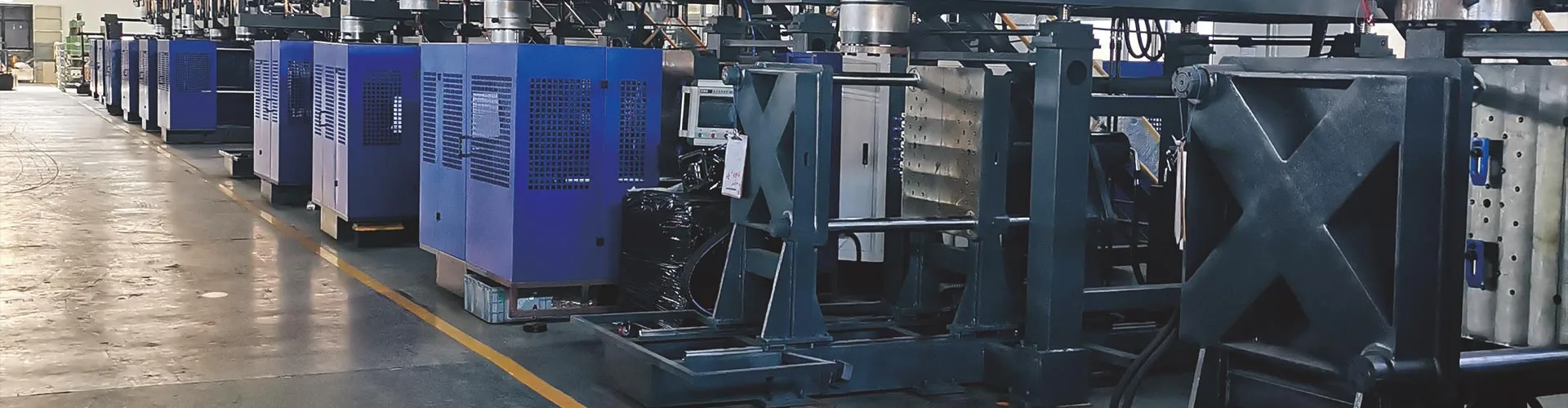
Utilities also belong to the selected configuration. Ask for the final connected load, supply voltage, machine-inlet air requirement and cooling-water requirement. Include every local auxiliary. Do not design the plant from a similar model's table. Options and local electrical design can change the final package.
Kinggle's utility requirements guide separates connected load from operating demand. It also covers compressed-air flow, cooling and layout. Use it with the project utility sheet and final machine drawing. The site plan should be approved before the machine ships.
Check the vertical route as carefully as the floor. The published height does not include every lifting action or site obstacle. Review doors, roof structure, crane access and the path used for mold handling. Show maintenance platforms and open guards on the layout. A machine can fit inside the building and still be difficult to install or service.
Complete the review with the downstream line. A large part needs room to stabilize, trim and move without damage. Confirm the robot drop point, conveyor width and inspection position. If the process returns flash to a grinder, mark that route too. These details often decide where the machine can sit.
Build the RFQ around eight pieces of product evidence
A model request without a part package leaves the largest decisions open. Kinggle's sales process asks for product photos or drawings, weight, size, material, thickness, output and chemical-resistance needs. For the KGB90A and KGB90AP decision, organize that information in this order.
- Send the controlled part drawing. Include overall dimensions, neck or interface details, parting-line limits and the latest revision.
- State the gross and finished mass. Separate finished product weight from flash, tails and other process material.
- Define every material stream. Give the resin grade, supplier, color, regrind rule and any required relationship between streams.
- Describe the wall structure. Mark one stream, double layer or double color. Add the inspection method and acceptance limits.
- Provide the mold package. Submit final width, height, thickness, weight, cooling layout, mounting points, inserts and blowing interface.
- Set accepted output. Define saleable parts per hour, planned shifts, reject treatment and the downstream process that must keep pace.
- List the factory conditions. Include voltage, frequency, compressed air, cooling water, ceiling height, lifting access and available floor area.
- Agree on the trial. Name the resin, mold, test duration, quality checks, output count, energy boundary and documents required before acceptance.
Ask for a response that separates standard model data from project-specific data. The standard table helps compare the platform. The technical agreement should describe the ordered configuration. Keep revision numbers on the product drawing, mold drawing, utility sheet and acceptance plan.
Use the factory acceptance test guide to define the run. If product-related energy is part of the decision, EUROMAP 46.2 provides a measurement method for a given machine, mold and specified product. The method also requires the product to meet customer requirements.
Kinggle's download page provides parameter tables and controller documents for review. Confirm that each document matches the final model and control package. A manual for a similar machine is useful background, but it does not override the ordered technical file.
Ask both sides to sign the same data set before manufacturing begins. A changed wall structure can alter the extruder choice. A heavier parison can change the shot review. A larger mold can change machine fit. Revision control prevents an early quotation from becoming the final acceptance basis by accident.
The RFQ should also state which items remain open. Typical examples include final resin grade, mold cooling connections or downstream automation. Give each open point an owner and due date. The factory can then separate confirmed machine design inputs from information that still needs buyer approval.
Choose the model that matches the approved product
The KGB90A and KGB90AP share many published forming limits. The model choice therefore begins with extrusion architecture. Use KGB90A as the starting point for an approved one-stream concept. Use KGB90AP when two extrusion streams are needed for the specified layer or color structure.
Do not use model complexity as a substitute for product definition. A double-extrusion machine needs two material-handling paths, a defined start-up method and a layer or color inspection plan. If the product does not need those functions, they add work without creating an accepted-product benefit.
Do not choose KGB90A only because the listed machine weight is lower. Mold fit, gross parison demand and accepted output matter more. A one-stream product can still demand careful wall programming, cooling and part handling. The product trial must prove the complete result.
If the buyer expects future products, list them now. Check the largest mold and heaviest gross parison. Mark any future double-layer or double-color requirement. Then decide whether the extra architecture belongs in the first purchase or a later line. Keep unconfirmed future ideas separate from the current acceptance test.
Before shipment, run the agreed part with the agreed material. Record the recipe, quality results, accepted output and utility conditions. Use the startup checklist for commissioning and the changeover guide when the product family includes several molds or colors.
Frequently asked questions
What is the main difference between KGB90A and KGB90AP?
The current KGB90A table lists one 90 mm screw and a 45 kW extruder motor. The KGB90AP table lists two 70 mm screws and two 22 kW motors. Kinggle describes KGB90AP as the double-extrusion option for double-layer or double-color products. Many published forming dimensions are otherwise the same.
Does a 60L capacity rating mean every 60L product will fit?
No. Volume is only an early screening value. The finished mold must fit the platen, maximum mold dimensions, thickness range and opening arrangement. The gross parison must fit the accumulator requirement. Projected area, clamp demand, inserts, cooling and part removal also need review.
Can the published 500 pieces per hour be used as production output?
No. Both pages label that figure as dry-cycle output. It does not identify a molded product, resin, weight, cooling time, reject rule or downstream setup. Production output should be measured as accepted parts during an agreed trial with the real product and material.
When should a buyer choose the KGB90AP double-extrusion model?
Choose KGB90AP when the approved product requires two melt streams for a specified double-layer or double-color structure. Define both materials, the intended relationship between streams and the inspection method. Do not add the second extruder only as a general upgrade.
What product information does Kinggle need for a 60L machine proposal?
Send the product drawing or photos, dimensions, finished and gross mass, resin grade, wall structure, thickness requirements, output target and functional tests. Add mold details and factory utilities when available. This information lets the machine, die head, mold and trial plan use the same product basis.
How should energy consumption be compared between the two models?
Measure each model while making the same accepted product under equivalent conditions. Record machine kWh, accepted output, extruded mass and included auxiliaries from the same timed window. Do not compare connected motor ratings or a dry cycle as if they were product energy results.
Send the product before choosing the model
Share the drawing, resin, gross parison mass, wall structure, mold information, accepted output and factory utilities. Kinggle can then confirm whether the KGB90A, KGB90AP or another platform fits the project.
Request a Product-Based ProposalSources checked for this guide
- Kinggle KGB90A 60L Accumulate Blow Molding Machine, current product description and published table, checked September 9, 2026.
- Kinggle KGB90AP 60L Accumulator Blow Molding Machine, double-extrusion description and published table, checked September 9, 2026.
- Moog DigiPack III Instruction Manual, accumulator-position profile-control method, accessed through Kinggle.
- EUROMAP 46.2, Version 1.0, January 2014, product-related energy measurement for a specified product and mold.
- Kinggle Sales Process, product information requested for machine proposals, checked September 9, 2026.