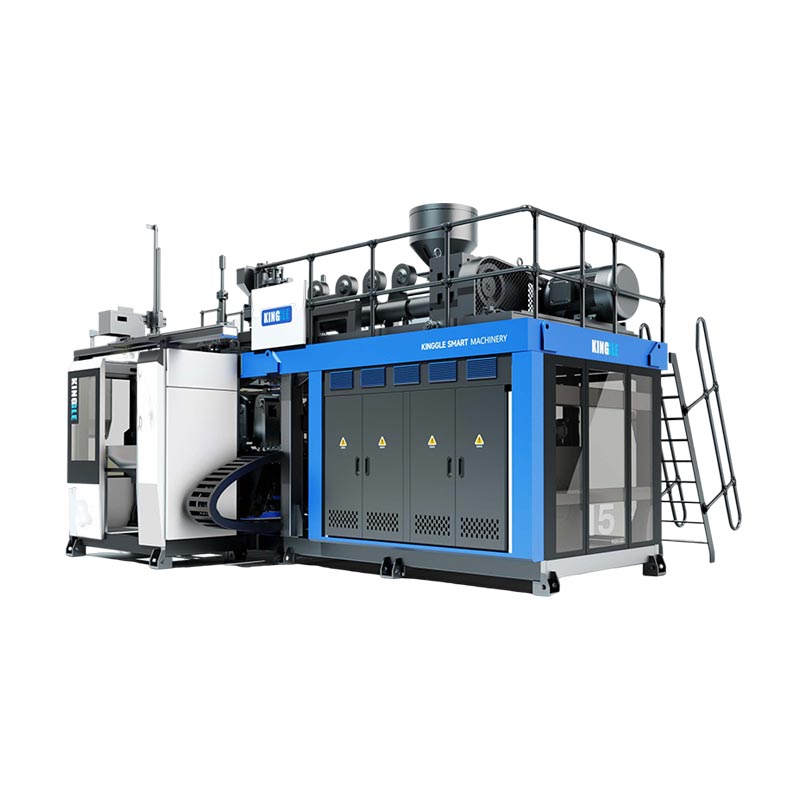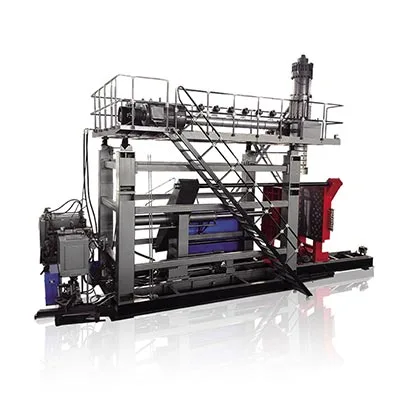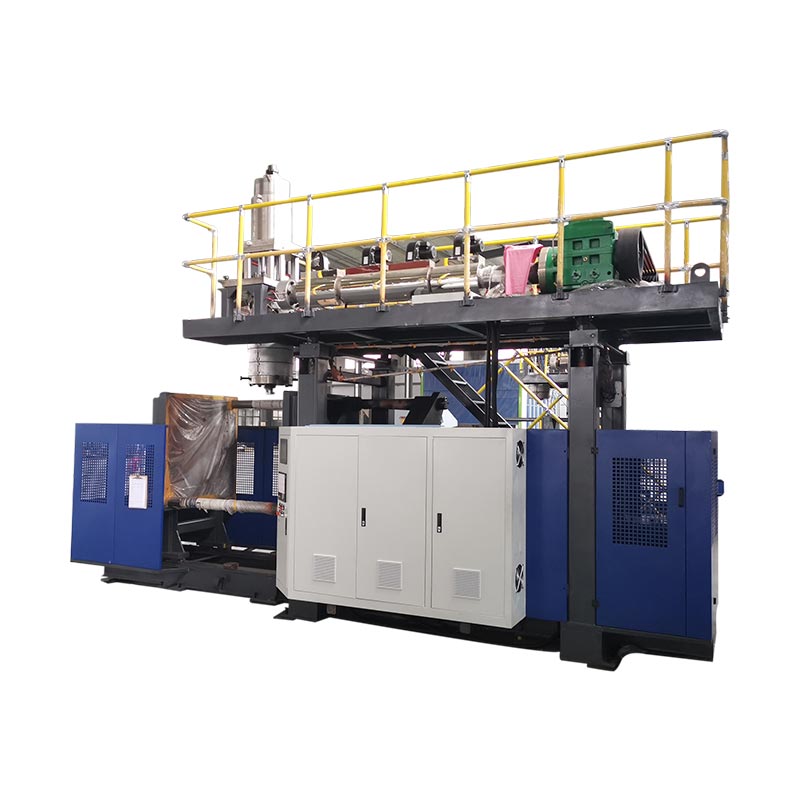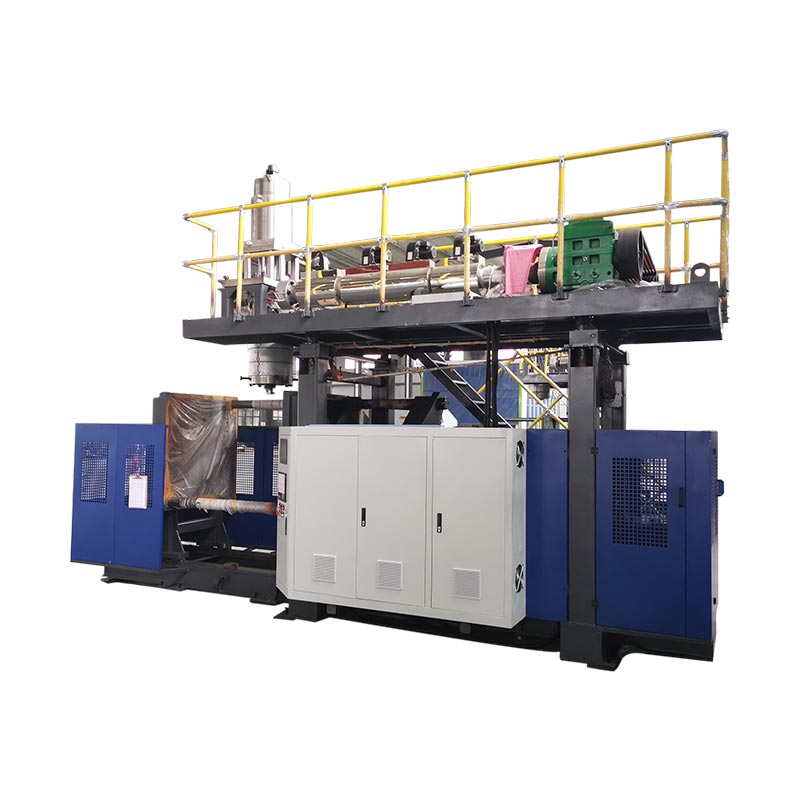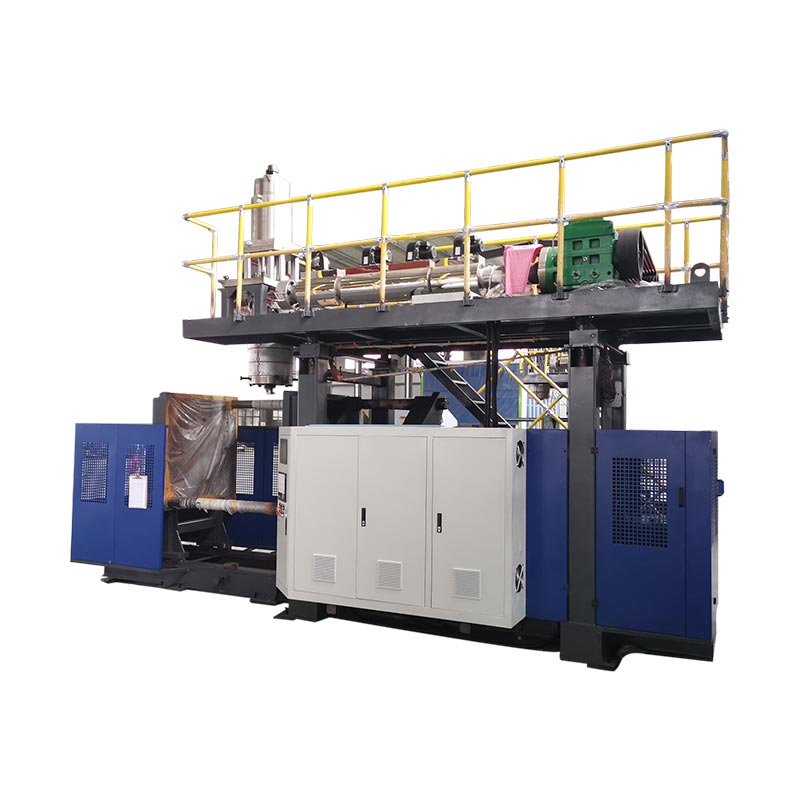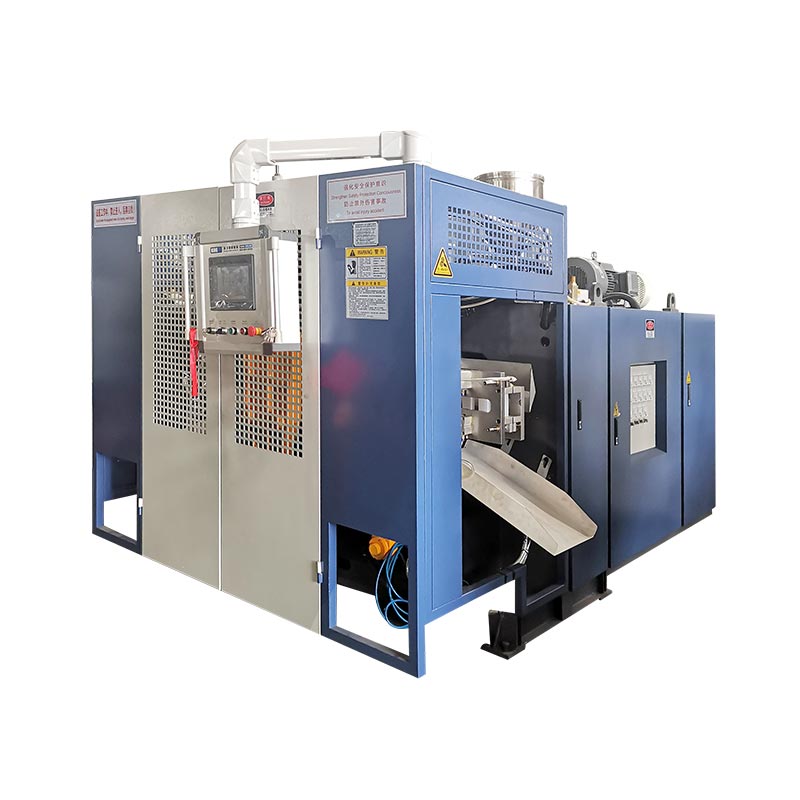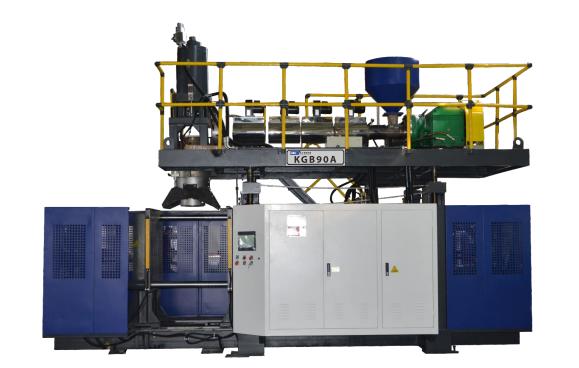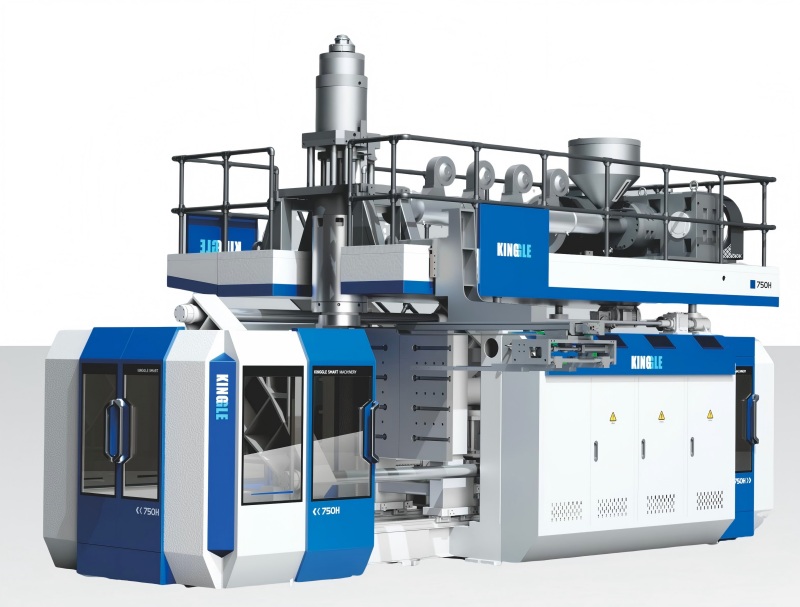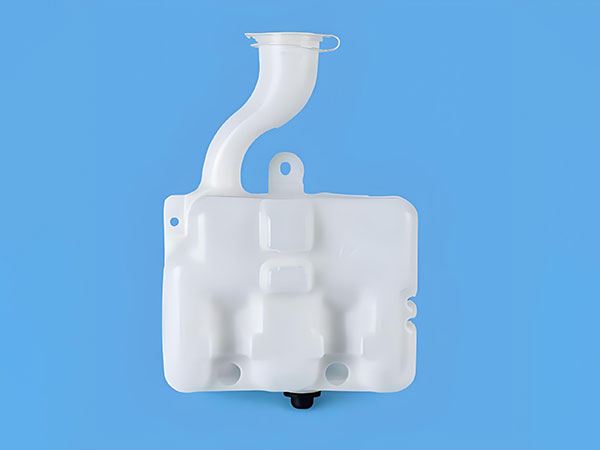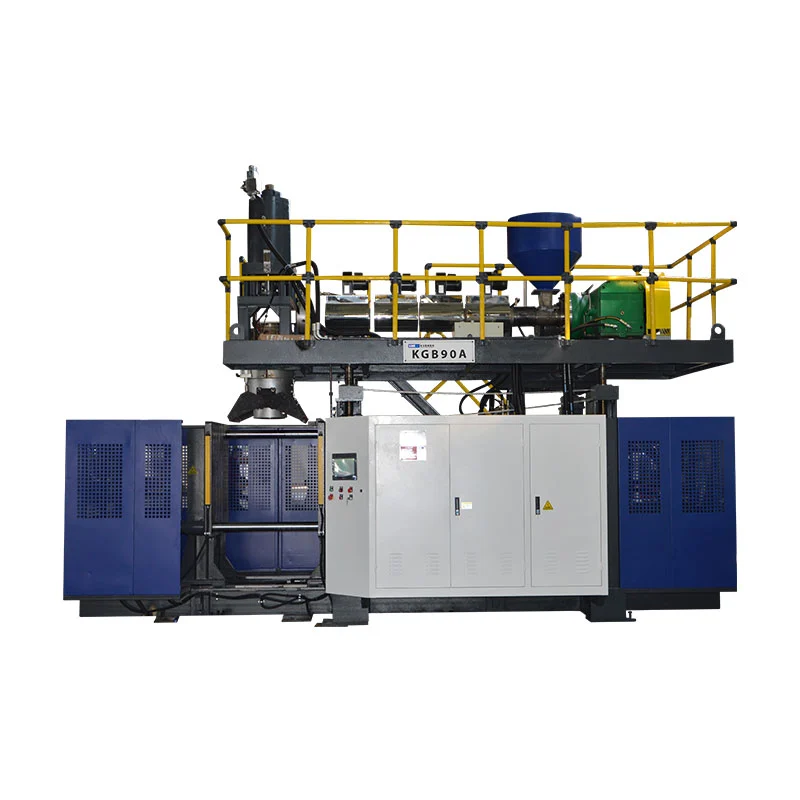
Choose between the KGB80A and KGB80AP by the number of material streams your product requires. Kinggle's published KGB80A table lists one 80 mm screw, while the KGB80AP table lists two 70 mm screws and describes double-layer or double-color production. Their published mold envelope, clamp, accumulator and utility references are otherwise the same, so a valid decision still needs the actual part, mold, resin plan and trial criteria.
Two machines can share the same 30L label and still solve different production problems. A chemical drum made from one resin stream does not create the same extrusion task as a toolbox with two colors or a wall made from two material layers. Buying by container volume alone hides that difference.
This comparison treats the KGB80A and KGB80AP as product platforms, not as a list of brochure adjectives. It follows the data currently published on Kinggle's two product pages. Where the website leaves a configuration question open, the article says so and moves that item into the quotation or factory trial.
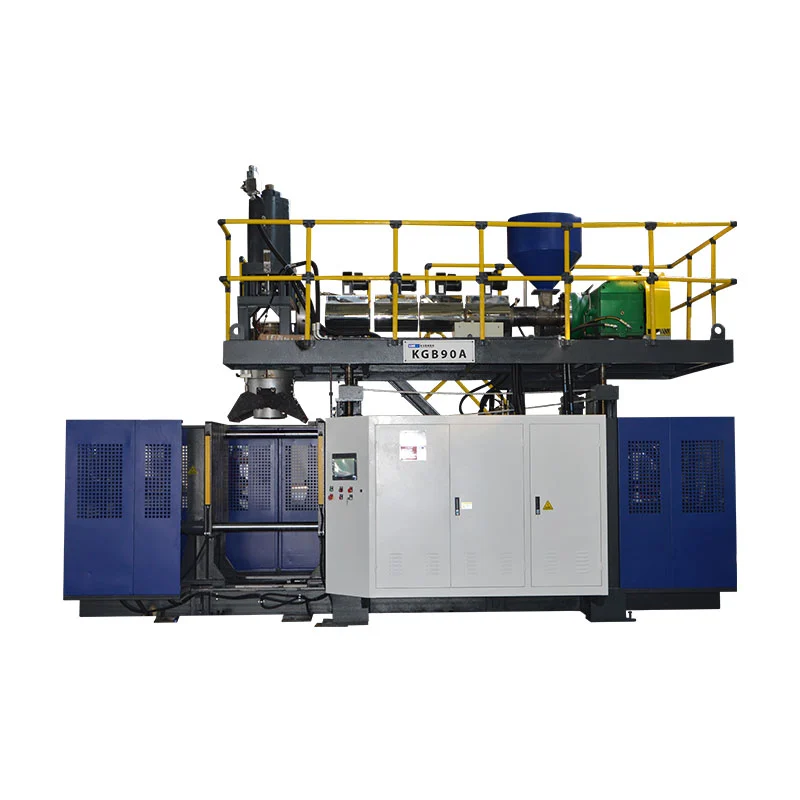
Five points to settle before requesting a quotation
- Define whether the wall needs one melt stream, two layers, two colors, a view stripe or another structure.
- Check the mold against the published platen, mold envelope, opening stroke and thickness range.
- Compare gross parison demand with the 5 L and 3.75 kg PE accumulator references.
- Treat 650 pcs/h as a dry-cycle figure, not as promised production output.
- Write material, quality, output and utility acceptance rules into the trial plan.
Data boundary: specifications below come from the current KGB80A page and KGB80AP page, checked September 11, 2026. They are comparison references. The approved quotation, machine drawing and technical agreement control the delivered configuration.
Start with the product wall, not the machine name
The first question is not whether the product holds 20 or 30 liters. Ask how many independently controlled melt streams must enter the die head. A conventional one-material wall needs one defined resin path. A two-color part needs two color streams. A double-layer product needs two streams that meet inside a co-extrusion head. Those streams may use the same base polymer or different materials, but their compatibility and processing windows still need review.
This distinction is easy to lose because buyers also hear about heads and cavities. A layer is a material zone through the wall. A die outlet creates one parison. A mold cavity creates one part. A two-layer machine is not automatically a two-head machine, and a two-cavity mold does not create two material layers. Kinggle's head, cavity and layer guide keeps those counts separate.
The public KGB80AP description is specific on this point. It presents the model as a double-extrusion platform for double-layer or double-color work. Its table lists two 70 mm screws and two 22 kW extruder motors. The KGB80A table lists one 80 mm screw and one 37 kW motor. That architecture difference is more useful than a vague claim that one machine is more advanced.
There is one item to clarify in writing. The KGB80A product description mentions single and multi-layer options, while its published specification table shows one extruder. These statements can both be possible only if the final option package changes the standard architecture. Do not guess which package is intended. Ask the quotation to name every extruder, the material assigned to it, the die-head structure and the adjustable layer-ratio range.
What Kinggle currently publishes for both 30L platforms
The table below reproduces the fields that can be compared directly across the two current product pages. Most of the platform data is the same. Both pages list a 30 L maximum container capacity, 215 kN clamping force, a 5 L accumulator and a 3.75 kg PE accumulator-weight reference. The important published differences are the extrusion arrangement and machine weight.
| Published field | KGB80A | KGB80AP | How to use it |
|---|---|---|---|
| Maximum container capacity | 30 L | 30 L | Screening label only; it does not prove mold, shot or product fit |
| Output | 650 pcs/h, dry cycle | 650 pcs/h, dry cycle | Machine-motion reference, not accepted product output |
| Machine size | 4.7 x 3.5 x 4 m | 4.7 x 3.5 x 4 m | Starting envelope for layout planning |
| Machine weight | 12 t | 13 t | Input for floor and handling review, subject to final drawing |
| Clamping force | 215 kN | 215 kN | Compare with projected area and agreed blow conditions |
| Maximum mold size | 520 x 860 mm | 520 x 860 mm | Check the actual mold drawing and connections |
| Mold thickness range | 360 to 420 mm | 360 to 420 mm | Confirm installed mold thickness, plates and adapters |
| Opening stroke | 350 to 850 mm | 350 to 850 mm | Check part release, inserts and take-out path |
| Screw arrangement | 1 x 80 mm | 2 x 70 mm | Main published architecture difference |
| Extruder motor arrangement | 1 x 37 kW | 2 x 22 kW | Confirms one versus two published extrusion drives |
| Published HDPE melting capacity | 120 to 140 kg/h | 120 to 140 kg/h | Material-scoped reference; compare with gross demand |
| Accumulator capacity | 5 L | 5 L | Check against the complete gross parison |
| Published PE accumulator weight | 3.75 kg | 3.75 kg | Not the same as finished product weight |
| Blow-air reference | 0.8 MPa; 0.7 m³/min | 0.8 MPa; 0.7 m³/min | Confirm the final machine-inlet requirement |
| Cooling-water reference | 0.3 MPa; 70 L/min | 0.3 MPa; 70 L/min | Confirm temperature, quality, return and circuit scope |
| Published average energy line | 27 to 37 kW | 27 to 37 kW | Power reference, not guaranteed kWh per accepted part |
Shared numbers do not make the machines interchangeable. A second material stream adds a feed path, barrel, drive, temperature history and purge sequence. The product page may show the same external envelope and utility reference, yet the production method is still different. The project file should therefore identify the final electrical load, material-handling scope and control package instead of relying on the comparison table alone.
KGB80A direction
Start here when the product brief uses one defined melt stream and the published mold and shot envelope fit.
KGB80AP direction
Start here when two independently fed melt streams are required for layer or color construction.
Where the KGB80A is the cleaner starting point
The KGB80A table describes one 80 mm screw, one 37 kW extruder motor and a published HDPE melting-capacity range of 120 to 140 kg/h. For a product defined around one material stream, that is the simpler published baseline. The material plan has one main feed route to identify, dry or condition when required, color, dose, purge and trace by lot.
Simpler does not mean automatic. The resin grade, masterbatch, additive package and regrind rule still need a written recipe. A chemical drum may require a different resin and validation plan from a toolbox or water container. Kinggle's HDPE versus PP guide explains why the polymer family name does not set melt temperature, cooling time or product performance.
The KGB80A page lists chemical packaging barrels, stacking containers, water containers, toolboxes, sprayers, toys and auto-related parts as application families. Those examples show the intended range; they do not prove that every product in those groups fits. A wide toolbox can fail the mold-envelope check even when its internal volume is below 30 L. A heavy technical part can exceed gross shot demand while holding far less than 30 L.
Treat the model as a candidate after the product has passed four checks: material-stream count, mold interface, gross parison demand and accepted output. If the project needs a view stripe, special color path or additional layer, ask Kinggle to show the exact KGB80A option in the quotation. The public page's multi-layer wording should never substitute for a diagram of the proposed material path.
Where the KGB80AP earns its second extrusion system
The KGB80AP is the clearer published choice when the part needs two independently fed melt streams. Kinggle describes it for double-layer or double-color production and lists two 70 mm screws with two 22 kW motors. Each stream can receive its own material feed and processing settings before the melts meet in the die head.
A second extruder should solve a defined wall requirement. It may separate two colors, place different materials into two layers or support another approved two-stream construction. It should not be added because “double layer” sounds more capable. The buyer must state what each stream contains, why the separation is needed and how the finished wall will be checked.
Layer ratio is a separate control problem. The public screw sizes do not tell a buyer the adjustable layer range or the stability of that ratio for a specific resin pair. Throughput also has to be balanced across the two streams. If one layer supplies a small share of the wall, its extruder still needs a stable operating window at the required rate. Ask for the proposed die-head design, material assignment, layer-ratio range and sampling method.
Wall-thickness programming does not replace layer-ratio control. The Kinggle-hosted Moog DigiPack III manual explains how an accumulator machine can relate its wall profile to accumulator position during push-out. That function distributes the gross wall along the parison. The co-extrusion system still has to control how the two melt streams share that wall.
Two streams also change daily work. The factory must prevent material swaps, manage two hopper routes, track two temperature histories and plan a purge for each path. A change from a two-color toolbox to a one-color drum may save material only if the production team can clear and document both circuits. Include that work in the changeover plan.
A 30L label cannot confirm mold or parison fit
Container capacity is only a volume label. Machine fit depends on the outside geometry and the mass of plastic that the head must deliver. Begin with the finished product drawing. Add the pinch-off land, flash pockets, neck tooling, blow-pin arrangement, inserts, cooling connections, lifting points and any take-out clearance to the mold review.
Both product pages publish a 520 x 860 mm maximum mold size, a 360 to 420 mm mold-thickness range and a 350 to 850 mm opening-stroke range. Compare those values with the complete mold assembly, not the visible product dimensions. Adaptor plates and service connections can consume space. Deep parts may also need more opening and extraction clearance than the mold drawing first suggests.
The 215 kN clamp reference needs its own calculation. Blow pressure acts across the projected area seen at the parting plane. Product orientation, flash area and the number of active positions affect that area. Do not approve the clamp from volume alone. Send the proposed mold layout and process pressure to Kinggle for project confirmation. The extrusion blow mold design guide covers the interface in more detail.
finished part mass + top flash + bottom flash + neck or handle trim + other captured process scrap
Compare that gross demand with the head, not just the net bottle weight. Both pages publish a 5 L accumulator and a 3.75 kg PE accumulator-weight reference. The 3.75 kg figure is material-scoped and should not be treated as a universal part-weight limit. Resin density, melt behavior, die design, required cushion and process margin all matter.
A useful project review shows the mass balance. Weigh or estimate every captured section from a representative tool, record the resin grade and state the planned cushion. If the gross parison sits too close to the published reference, ask whether a different head or machine model gives a more stable window. A nominal 30L machine is not automatically the right 30 litre drum making machine for every shape.
Read the 650 pcs/h line as machine data, not a sales promise
Both Kinggle tables label 650 pcs/h as “Output (dry Cycle).” A dry cycle measures machine movement without proving melt delivery, blowing, cooling, part removal, trimming or inspection. It also does not identify a container, wall thickness, resin, mold temperature or reject rule. The figure can help compare the mechanical platform, but it cannot be copied into a business plan as saleable parts per hour.
Start output planning with the complete production cycle. Record accumulator fill, parison push-out, mold close, blow, exhaust, cooling, mold open, take-out and downstream handling. The longest required event controls the repeat time. A thick chemical barrel may be cooling-limited. A two-color product may be limited by the slower melt stream or by the downstream process.
gross molding events x parts per event x acceptance rate, divided by the measured run time in hours
The published HDPE melting-capacity range is 120 to 140 kg/h for both models. Use it only as an HDPE reference. Compare it with gross hourly demand, which includes flash and other captured material. If the KGB80AP uses two different materials, document the required mass rate for each stream. A combined total can hide an unstable low-rate layer.
Measure accepted output over a stable window with the actual mold and specified resin. Mark stops, manual interventions, recipe changes and rejected parts. Kinggle's cycle-time optimization guide shows how to find the limiting step. The factory acceptance test guide turns the result into a repeatable acceptance record.
The published footprint is only the center of the factory cell
Both pages show a machine envelope of 4.7 x 3.5 x 4 m. They list 12 t for the KGB80A and 13 t for the KGB80AP. Those figures help with early layout work, but a usable cell also needs access for the mold, die head, material supply, robot or part removal, trimming, scrap handling and maintenance. The approved general arrangement should set the final boundary.
The public utility rows are also the same: 0.8 MPa and 0.7 m³/min for blow air, plus 0.3 MPa and 70 L/min for cooling water. Record pressure and flow separately. Add inlet temperature, water quality, connection size and return conditions. A header can show pressure while the branch fails to deliver enough flow during simultaneous demand.
Both pages label 27 to 37 kW as average energy consumption. The unit kW describes power. It is not connected load, and it is not energy per product. The published motor arrangements are different, so the final electrical schedule deserves project confirmation even though the average-power line matches. Use Kinggle's utility planning guide to separate the main machine, auxiliaries and factory services.
Energy comparisons need the same product boundary. EUROMAP 46.2 defines product-related measurement for a specified extrusion blow molding machine, mold and product that meets customer requirements. That logic prevents a fast dry cycle or a lightly loaded test from standing in for real production. Record kWh per accepted part or per accepted kilogram under the agreed trial conditions.
Factory planning note: confirm the final machine weight, center of gravity, foundation loads, lifting method, installed power and connection points from the approved drawing. The public page is not a foundation or electrical design document.
Let the product trial settle the final model choice
A useful trial does more than make one acceptable sample. It shows that the selected material architecture, mold and machine can hold the required result. Write the acceptance method before the trial begins. Otherwise, a buyer and supplier can watch the same run and leave with different interpretations.
- Freeze the product revision. Identify the drawing, dimensions, net weight, wall map, neck or closure interface and functional tests.
- Freeze the material plan. Name each resin, supplier, grade, color, additive and regrind rule. For KGB80AP, assign every stream and target layer ratio.
- Record the machine configuration. List the model, screws, motors, die head, wall controller, mold, blow-pin system, take-out and downstream equipment.
- Show the mass balance. Record finished part weight, each flash or trim section, gross parison mass and material returned to the process.
- Define the stable window. State warm-up conditions, recipe revision, sample timing, allowed manual interventions and the minimum continuous observation period.
- Measure product quality. Use the buyer's approved checks for dimensions, wall distribution, leak performance, closure fit, load, drop or chemical service as applicable.
- Count accepted output. Separate gross events, gross parts, accepted parts, rejects, planned stops and unplanned stops.
- Record utilities and energy. Note machine-inlet air and water conditions. If energy matters, define the meter boundary and calculate it against accepted production.
For a KGB80AP trial, sample the wall by layer as well as by total thickness when the specification requires it. A correct total wall can still hide the wrong layer split. Use a method agreed for the resin and product. Keep the measured result beside the recipe and sample position so the team can trace any change.
For either model, inspect several positions along the product. Handles, corners, pinch areas and wide panels may stretch differently. The parison programming guide explains how controller position should be linked to physical wall measurements. Save the accepted profile with the tool and product revision.
Build the RFQ around the part instead of asking for “one 30L machine”
A short model request transfers too many decisions to the supplier. Kinggle's sales process asks for product photos or drawings, weight, size, material, thickness, output and chemical-resistance needs. For this comparison, the material-stream definition should sit near the top of that package.
Send one controlled file set. Include the product drawing and 3D data when available. Add target weight, wall requirements, resin grade, masterbatch, additives and the regrind policy. State every required color, the number of layers and the purpose of each layer. Then add the annual and hourly accepted-output target, shift pattern, available utilities, plant voltage, ceiling and access limits.
Then describe the tests that release the part. A chemical drum may require leak, closure, handling or regulated packaging checks. A toolbox may need hinge, latch, load or assembly checks. Kinggle can propose the machine, mold and downstream scope only when those requirements are visible. Do not import test values from another product simply because it has the same nominal capacity.
Ask the quotation to separate standard equipment, confirmed options and buyer-supplied equipment. It should identify the extruder count, screw sizes, die-head construction, wall controller, material feeders, robot or take-out, trimming, grinder, leak test, cooling equipment and commissioning scope. That level of detail makes KGB80A versus KGB80AP a technical decision rather than a suffix on a price sheet.
A practical KGB80A versus KGB80AP decision
Choose the KGB80A direction when the approved product uses one melt stream and fits the published mold, clamp and accumulator references with working margin. Its current table gives a clear one-extruder baseline. If the quotation adds a multi-layer or view-stripe option, require the revised material-path diagram and updated utility schedule.
Choose the KGB80AP direction when the product requires two separately fed streams for color or layer construction. Confirm what each extruder processes and how the two outputs are balanced. Define the target layer ratio, allowable variation and inspection method before the mold trial.
Do not choose either model only because the finished part is called a 30L drum. The product drawing, gross parison, mold assembly, resin plan and acceptance rate are the real inputs. Once those are fixed, the model difference becomes straightforward and the remaining work belongs in the technical agreement.
If both candidates appear to fit, compare the production work they create. One material stream usually means fewer feed routes and a shorter purge plan. Two streams provide the separate control needed for a defined layer or color structure, but both paths must remain stable. The right machine is the one that produces the approved wall with a repeatable process, not the one with the longer equipment list.
Keep the final decision traceable. Attach the selected configuration to the product revision, mold drawing, material schedule and trial report. This prevents a later purchase order or software recipe from losing the reason behind the model choice.
Send Kinggle the part before choosing the machine
Share the product drawing, weight, dimensions, resin grades, color or layer plan, mold information, required output, quality tests and factory utilities. Kinggle can then confirm whether the KGB80A, KGB80AP or another configuration fits the project.
Request a Product-Based ProposalFrequently asked questions
What is the main difference between the KGB80A and KGB80AP?
The published extrusion arrangement is the main difference. The KGB80A table lists one 80 mm screw and one 37 kW extruder motor. The KGB80AP table lists two 70 mm screws and two 22 kW motors, and its product description specifies double-layer or double-color production.
Can the KGB80A make a multi-layer product?
The KGB80A product description mentions single and multi-layer options, but its current specification table lists one extruder. Ask Kinggle to define the exact option, number of material streams, die-head structure and utility schedule in the quotation. Do not assume that the standard published table describes a multi-layer build.
Does 30L capacity mean any 30-liter product will fit?
No. The product and mold must fit the platen, mold envelope, opening stroke and thickness range. Gross parison demand, projected area, blow conditions, take-out clearance and required quality tests also affect the model decision.
Is 650 pcs/h the production output of these machines?
Both product pages label 650 pcs/h as a dry-cycle figure. Actual accepted output depends on the part, resin, mold, parison formation, cooling, handling, inspection, rejects and stops. Confirm output with the agreed product during a stable trial.
What does the 3.75 kg PE accumulator weight mean?
It is a published PE material reference for the accumulator, not a guaranteed finished-part weight. Compare the head with gross parison mass, including the product, flash, trim and process margin. Confirm the final limit for the selected resin and die head.
Which information should I send for a KGB80A or KGB80AP quotation?
Send the product drawing, dimensions, weight, resin grades, colors, layer structure, wall targets, mold information, accepted-output requirement, quality tests and factory utilities. State clearly whether one or two independently controlled material streams are required.
Sources and verification notes
The model specifications in this article were checked against Kinggle's live product pages on September 11, 2026. Company pages support the published configuration and service inputs; they are not independent proof of production performance. The EUROMAP document supplies a product-related energy-measurement method, not a performance result for either Kinggle model.
- Kinggle KGB80A 30L Accumulate Blow Molding Machine, product description and specification table.
- Kinggle KGB80AP 30L Accumulator Blow Molding Machine, double-extrusion description and specification table.
- Kinggle Sales Process, buyer information requested for a machine proposal.
- Moog DigiPack III Installation, Maintenance and User's Manual, accumulator-position wall-profile method.
- EUROMAP 46.2, Version 1.0, January 2014, product-related energy measurement for extrusion blow molding machines.