Blogs

Blogs

How Does a 10L Accumulate Blow Moulding Machine Improve Production Efficiency in Packaging Manufacturing?

2026-06-23 0 Leave me a message

The 10L Accumulate Blow Moulding Machine has become a critical solution in modern plastic container manufacturing, especially for medium-to-large volume hollow products such as jerry cans, chemical containers, lubricant bottles, and industrial packaging. This article explores how this machine works, why it is preferred in high-output production environments, and how it solves common industry pain points such as unstable wall thickness, energy inefficiency, and limited material compatibility. It also provides a deep technical and operational breakdown, helping manufacturers understand how to optimize productivity, reduce waste, and improve product consistency using accumulator-based blow moulding technology.

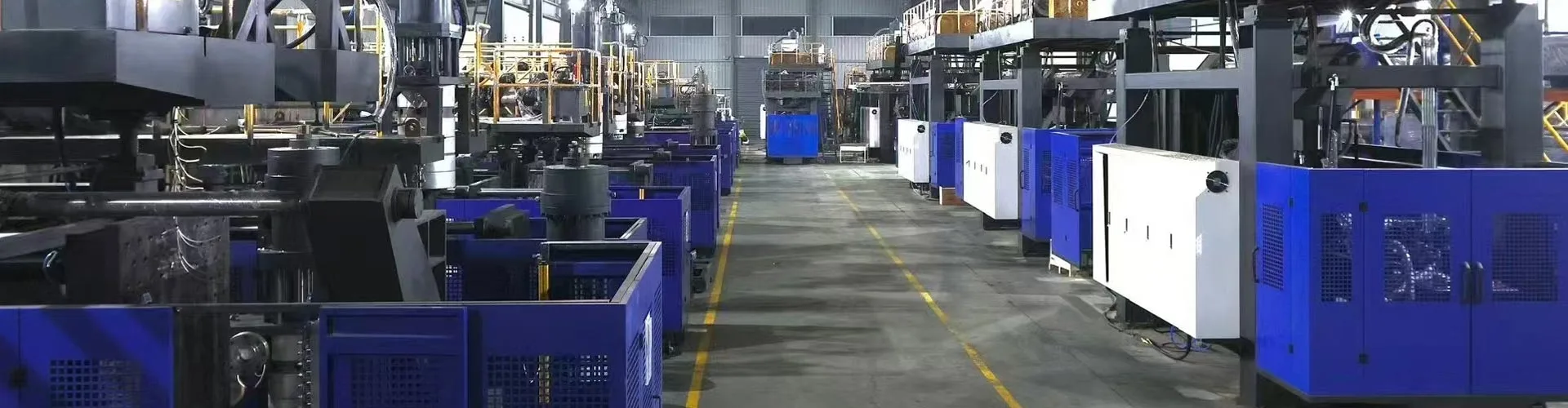
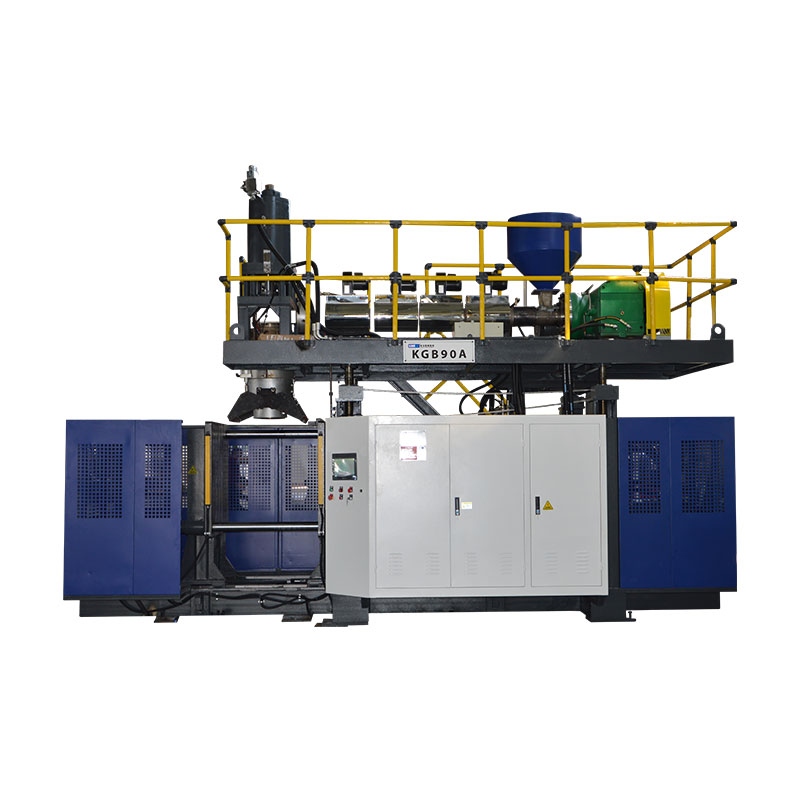
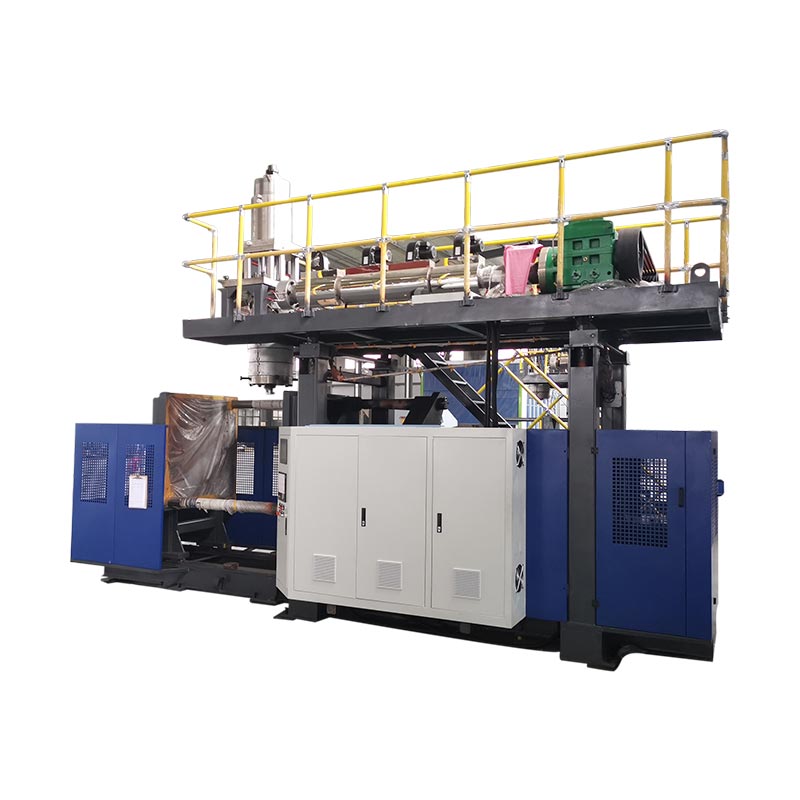
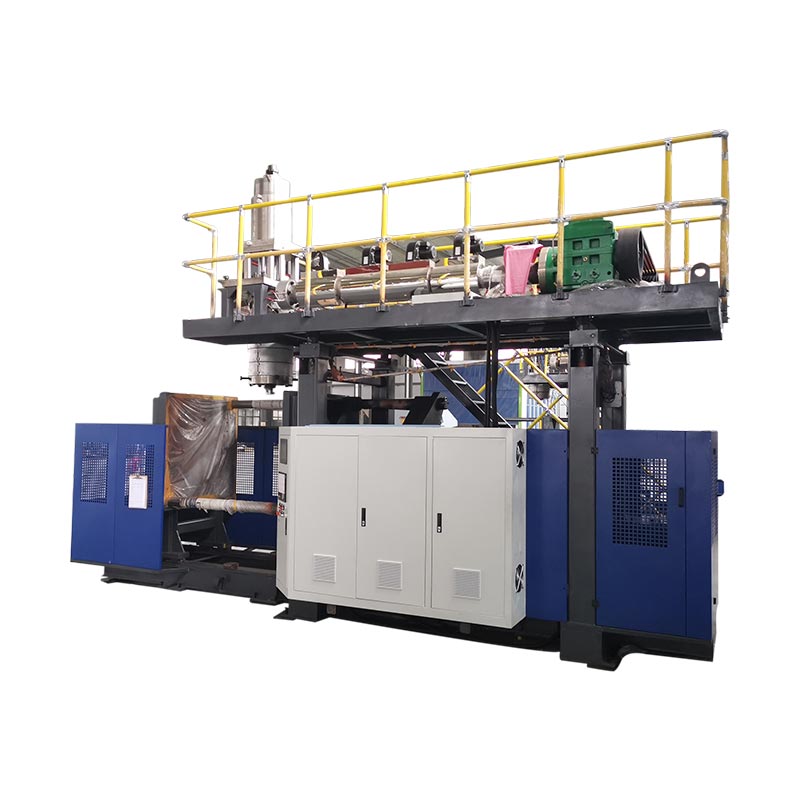
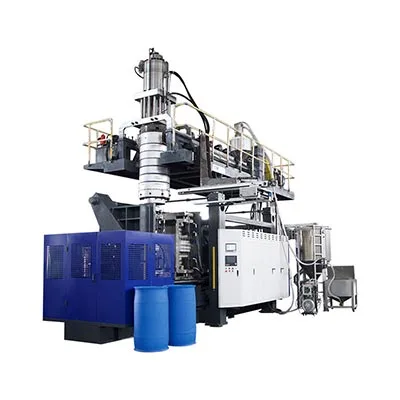
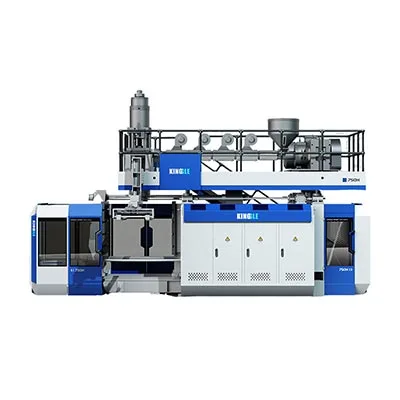
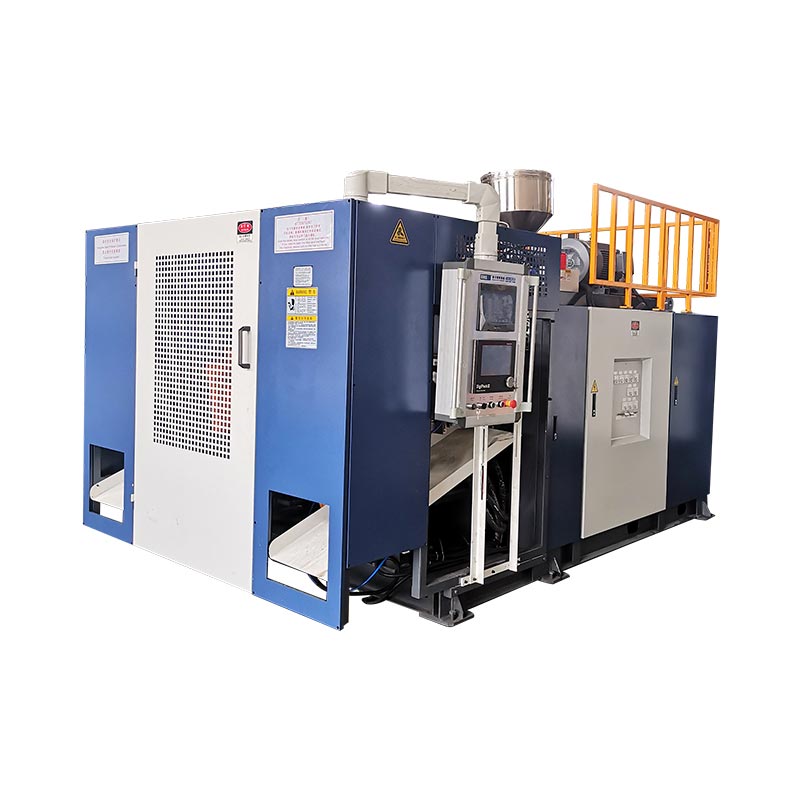
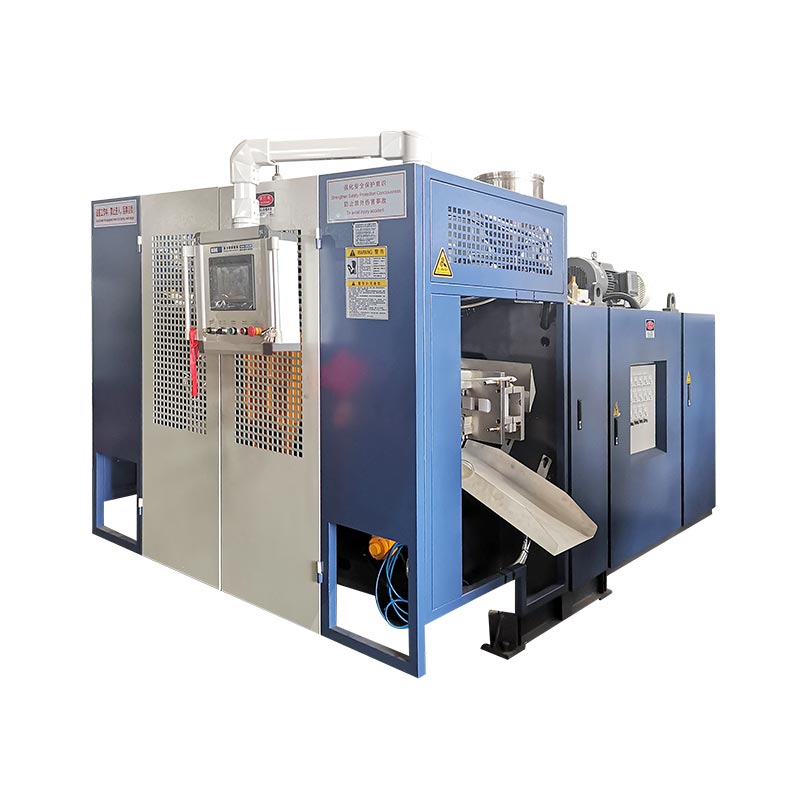
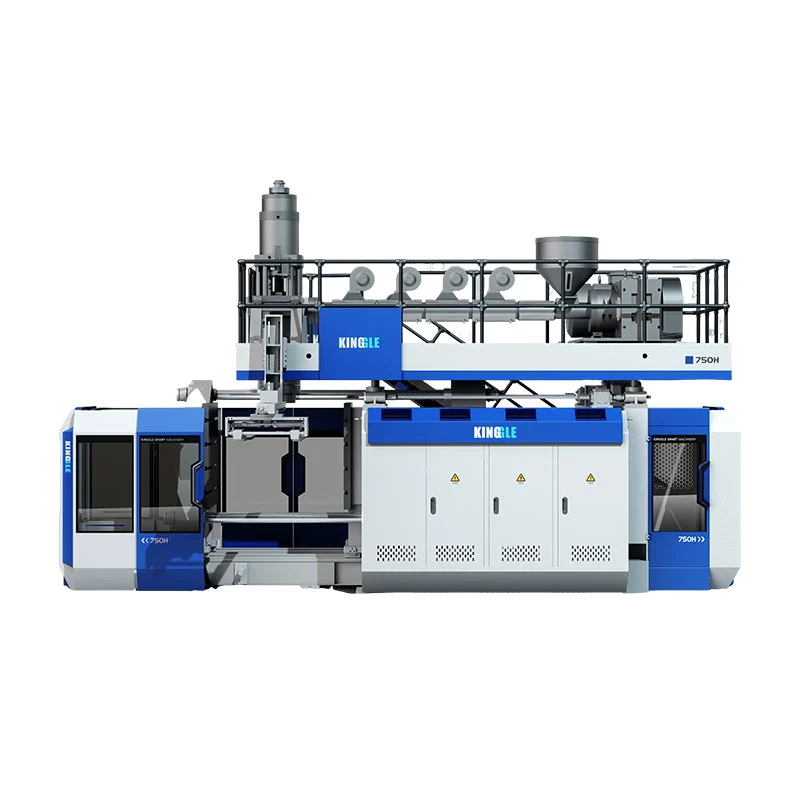
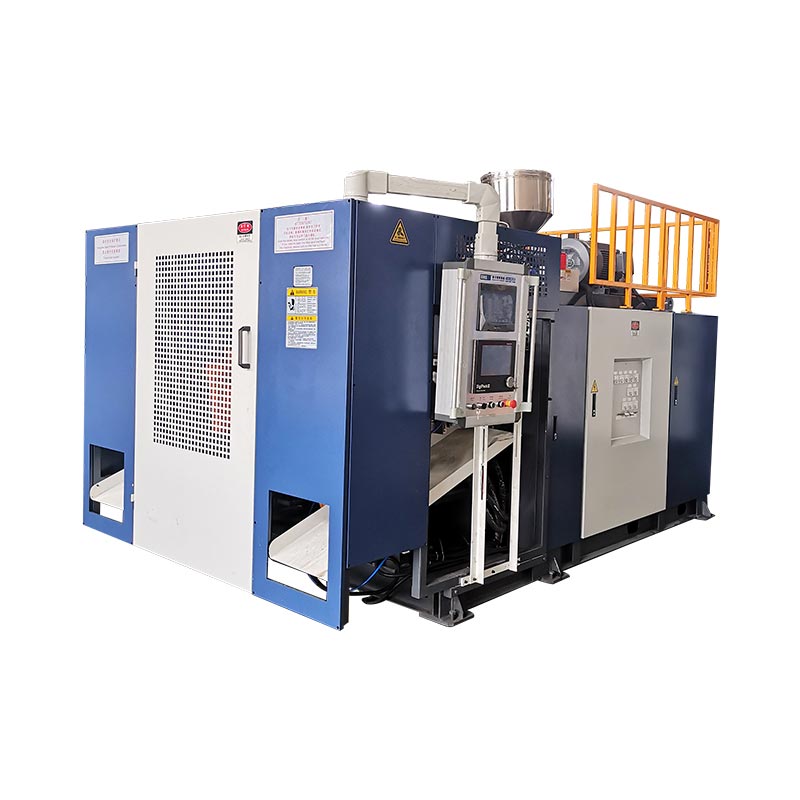
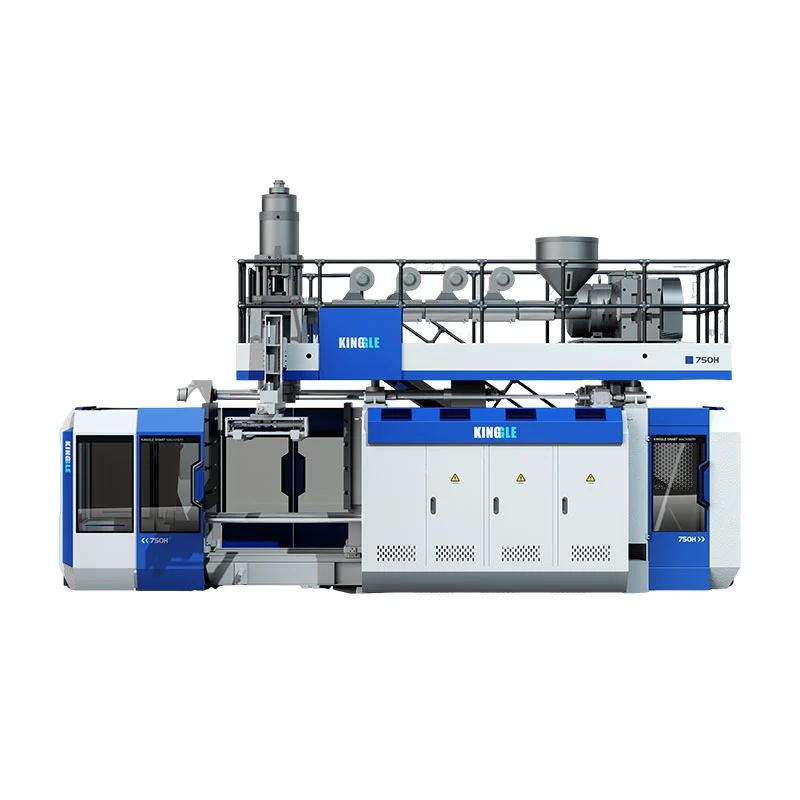
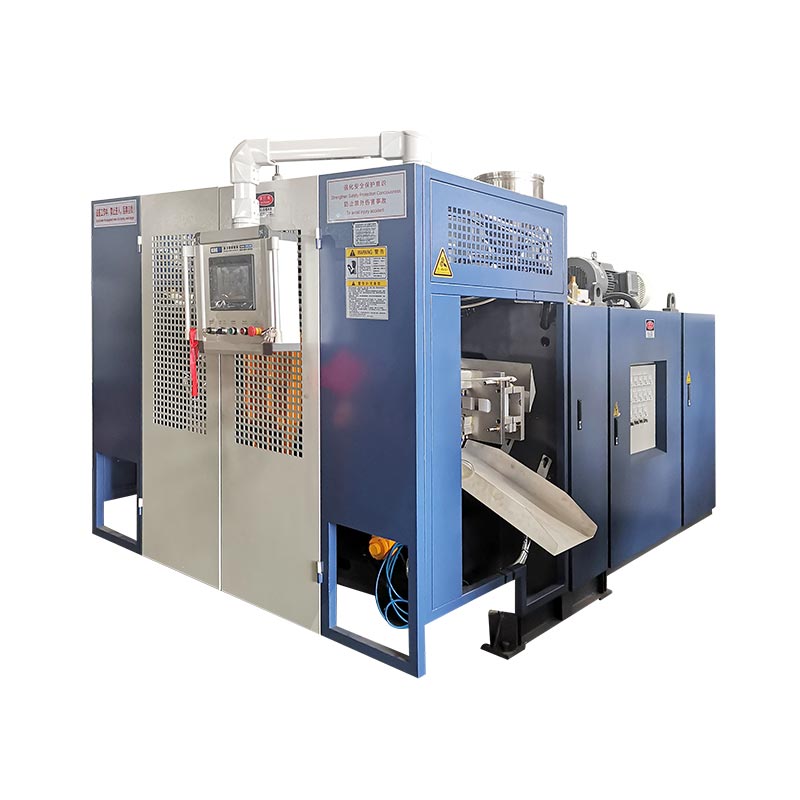
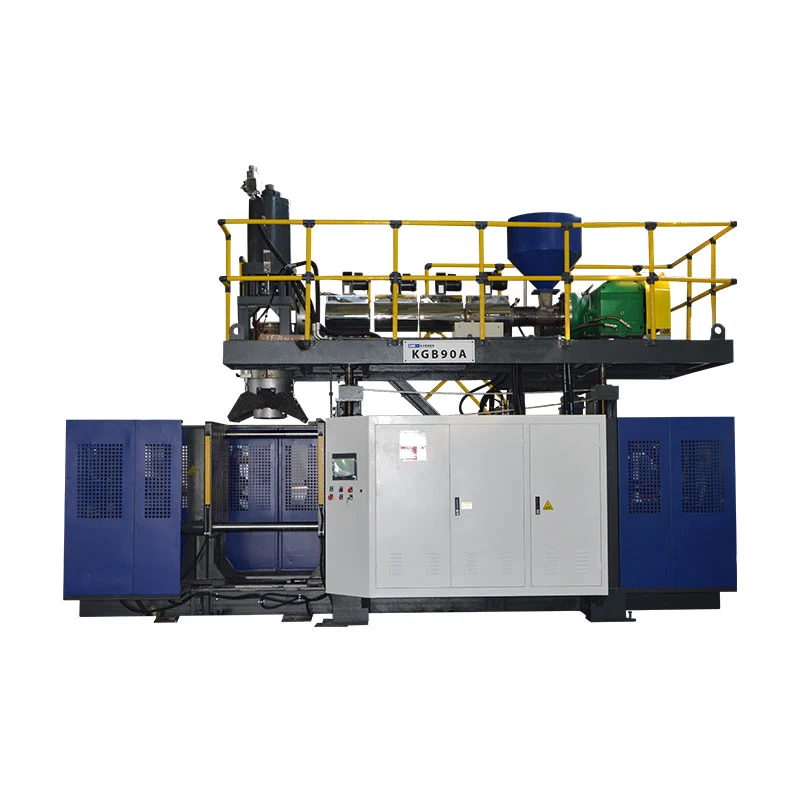
10L Accumulate Blow Moulding Machine

Table of Contents


1. Introduction to 10L Accumulate Blow Moulding Technology

In the plastic packaging industry, the demand for medium-capacity containers continues to grow rapidly. Products such as 10-liter jerry cans, industrial storage bottles, and chemical packaging containers require high structural strength, uniform wall thickness, and excellent sealing performance. The 10L Accumulate Blow Moulding Machine is specifically engineered to meet these demands by using an accumulator-based extrusion system that stores molten plastic before forming it into a parison for blow molding.

Unlike traditional continuous extrusion machines, accumulator systems are designed to handle larger volumes of molten material in a controlled burst, ensuring stable parison formation. This results in better control over wall thickness distribution and significantly improved product consistency.


2. Working Principle of Accumulator Blow Moulding

The core innovation of a 10L accumulator blow moulding system lies in its ability to store and release molten plastic in a controlled cycle. The process can be broken down into four key stages:

  • Plasticizing Stage: Raw material such as HDPE or PP is melted in the extruder barrel.
  • Accumulation Stage: Molten plastic is stored inside an accumulator chamber.
  • Parison Formation: The accumulated melt is rapidly discharged through a die head to form a parison.
  • Blow Moulding Stage: The parison is inflated inside a mould cavity to form the final container.

This intermittent but highly controlled process allows manufacturers to achieve better material distribution and reduce waste compared to continuous extrusion systems.


3. Key Advantages in Industrial Production

The adoption of 10L accumulator blow moulding systems offers several advantages that directly address manufacturing inefficiencies:

  • High Precision Wall Thickness Control: Ensures uniform distribution even in complex container shapes.
  • Energy Efficiency: Optimized heating and extrusion cycles reduce energy consumption.
  • Material Flexibility: Compatible with HDPE, PP, and recycled plastics.
  • Improved Output Stability: Reduced variation across production batches.
  • Reduced Scrap Rate: Minimizes material waste during startup and operation.

These advantages make it particularly suitable for industries requiring strict packaging standards, such as chemical storage and food-grade packaging.


4. Technical Specifications Overview

Parameter Typical Specification
Product Volume Range Up to 10 Liters
Material Compatibility HDPE, LDPE, PP, Recycled Plastics
Extrusion Capacity High-output single or dual extruder system
Clamping Force Up to 200 kN (varies by model)
Control System PLC + Touch Screen Interface
Cooling System Water-cooled mould system

5. Accumulator vs Continuous Extrusion Blow Moulding

Feature Accumulator Blow Moulding Continuous Extrusion Blow Moulding
Container Size Capability Medium to large (up to 10L and above) Small to medium
Wall Thickness Control Highly precise Moderate
Material Efficiency High Medium
Production Speed Optimized for large parts Higher for small parts
Investment Cost Higher Lower

While continuous systems remain efficient for small bottles, accumulator systems dominate in medium-capacity industrial packaging due to their superior structural control.


6. Industrial Applications and Use Cases

The 10L accumulator blow moulding machine is widely used across multiple industries:

  • Chemical Industry: Detergent containers, industrial chemical storage bottles
  • Lubricant Industry: Engine oil jerry cans and lubricant packaging
  • Agriculture: Pesticide containers and liquid fertilizer packaging
  • Food Industry: Edible oil containers and bulk liquid packaging
  • Logistics: Reusable industrial storage containers

Each application requires a balance of durability, safety, and cost efficiency, which accumulator systems are well-suited to deliver.


7. Production Optimization Strategies

To maximize output efficiency and product quality, manufacturers should consider the following optimization strategies:

  • Maintain stable melt temperature to ensure consistent parison quality
  • Optimize accumulator cycle timing to reduce idle time
  • Use high-quality raw materials to minimize defects
  • Implement automated thickness control systems
  • Regular calibration of die head and clamping systems

A well-optimized production line can significantly reduce cost per unit while improving overall production stability.


8. Common Issues and Troubleshooting

Issue Possible Cause Solution
Uneven wall thickness Improper die head calibration Re-adjust die gap and check accumulator pressure
Surface defects Contaminated raw material Use filtered, high-quality resin
Low output efficiency Incorrect cycle timing Optimize PLC parameters
Parison sagging Excessive melt temperature Reduce barrel heating settings

9. Maintenance and Operational Longevity

Proper maintenance is essential to ensure long-term stability and performance of a 10L accumulator blow moulding machine. Recommended practices include:

  • Daily inspection of hydraulic and electrical systems
  • Regular cleaning of die head components
  • Lubrication of moving mechanical parts
  • Periodic replacement of sealing elements
  • Software updates for control systems

With proper maintenance, these machines can operate efficiently for many years with minimal downtime.


The future of accumulator blow moulding technology is closely tied to automation, sustainability, and smart manufacturing. Emerging trends include:

  • Integration of AI-based process monitoring systems
  • Increased use of recycled and bio-based plastics
  • Fully automated production lines with minimal human intervention
  • Energy-efficient servo-driven hydraulic systems
  • Real-time quality inspection using machine vision

These innovations will continue to enhance productivity while reducing environmental impact.


11. Frequently Asked Questions (FAQ)

Q1: What products can a 10L accumulator blow moulding machine produce?
It is commonly used for jerry cans, lubricant bottles, chemical containers, and industrial packaging up to 10 liters.

Q2: Is it suitable for recycled materials?
Yes, it can process HDPE and PP recycled materials with proper filtration systems.

Q3: How does it improve production efficiency?
By storing and controlling molten plastic in an accumulator, it ensures consistent parison formation and reduces material waste.

Q4: What industries benefit most from this machine?
Chemical, agricultural, lubricant, and food packaging industries benefit the most due to their demand for durable containers.

Q5: How long does the machine typically last?
With proper maintenance, it can operate efficiently for many years with stable output performance.


12. Conclusion

The 10L accumulator blow moulding machine represents a powerful solution for manufacturers seeking precision, efficiency, and scalability in medium-capacity plastic container production. Its ability to control material distribution, reduce waste, and maintain consistent product quality makes it an essential asset in modern industrial packaging environments. As manufacturing continues to evolve toward automation and sustainability, accumulator technology will remain at the core of high-performance blow moulding systems.

Ningbo Kinggle Machinery Co., Ltd. continues to develop advanced blow moulding solutions designed to meet global manufacturing standards and industry demands.

For more technical details, customized solutions, or machine quotations, please feel free to contact us. Our engineering team is ready to support your production needs and help you build a more efficient manufacturing line.

Related News
Leave me a message
X
We use cookies to offer you a better browsing experience, analyze site traffic and personalize content. By using this site, you agree to our use of cookies.Privacy Policy
RejectAccept