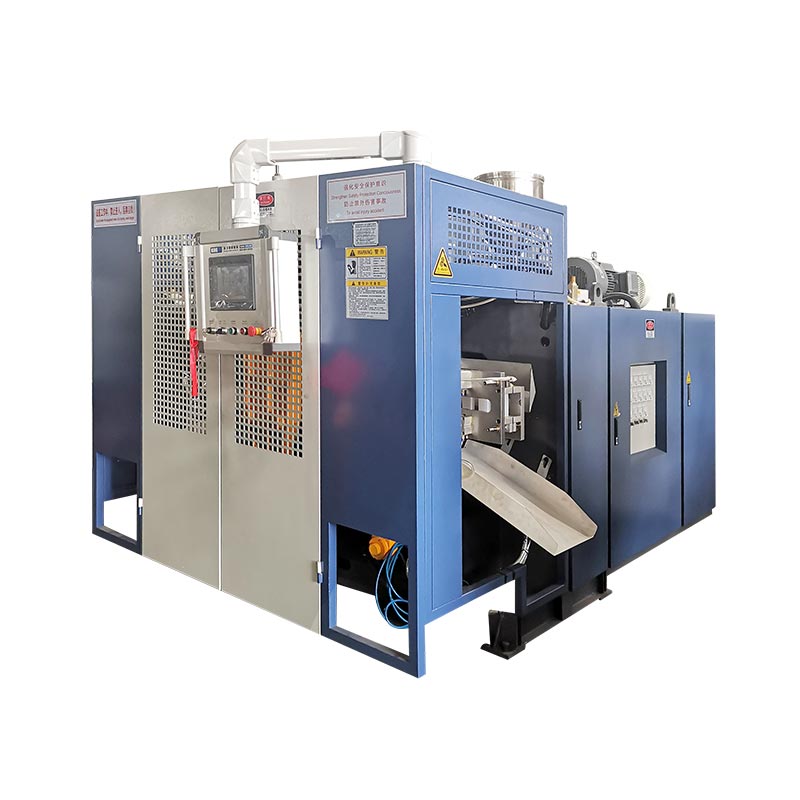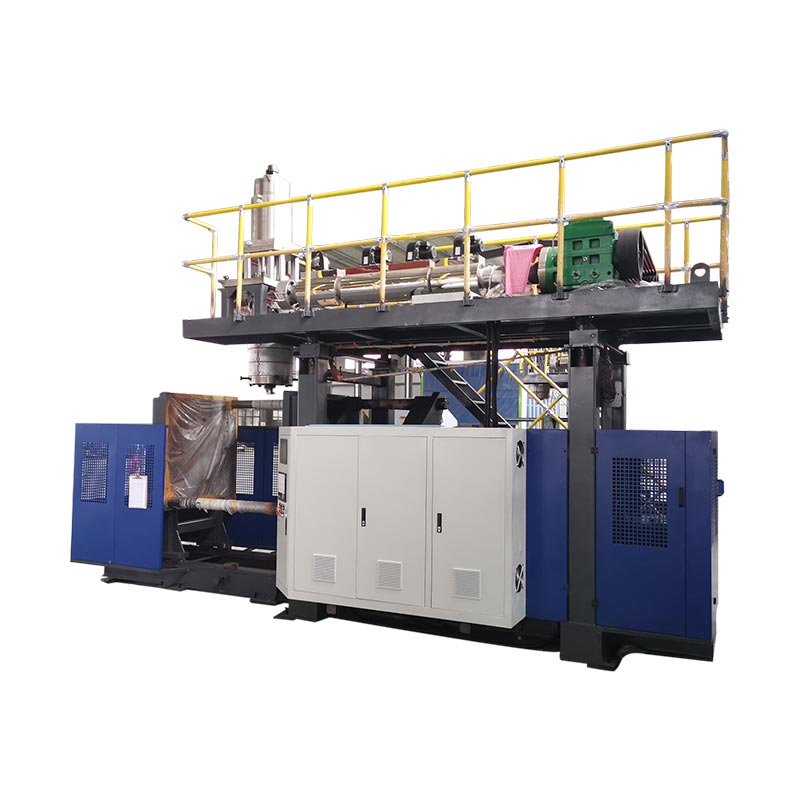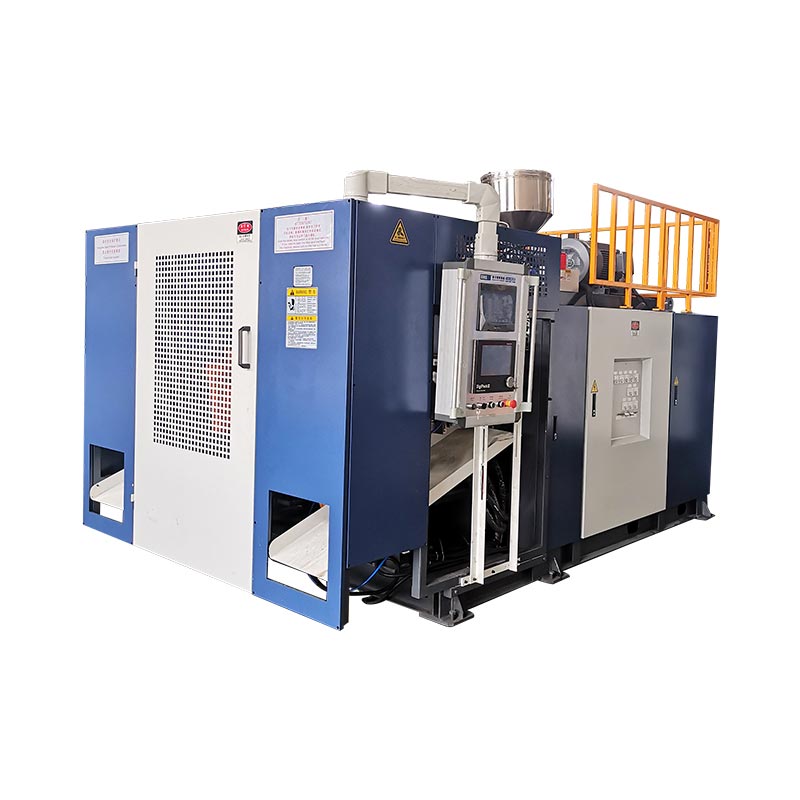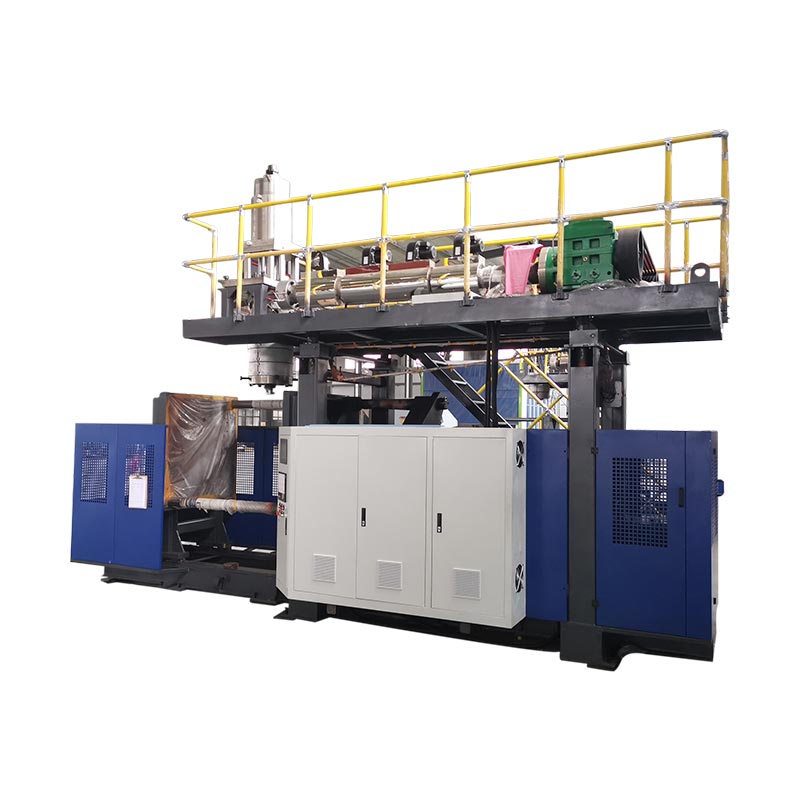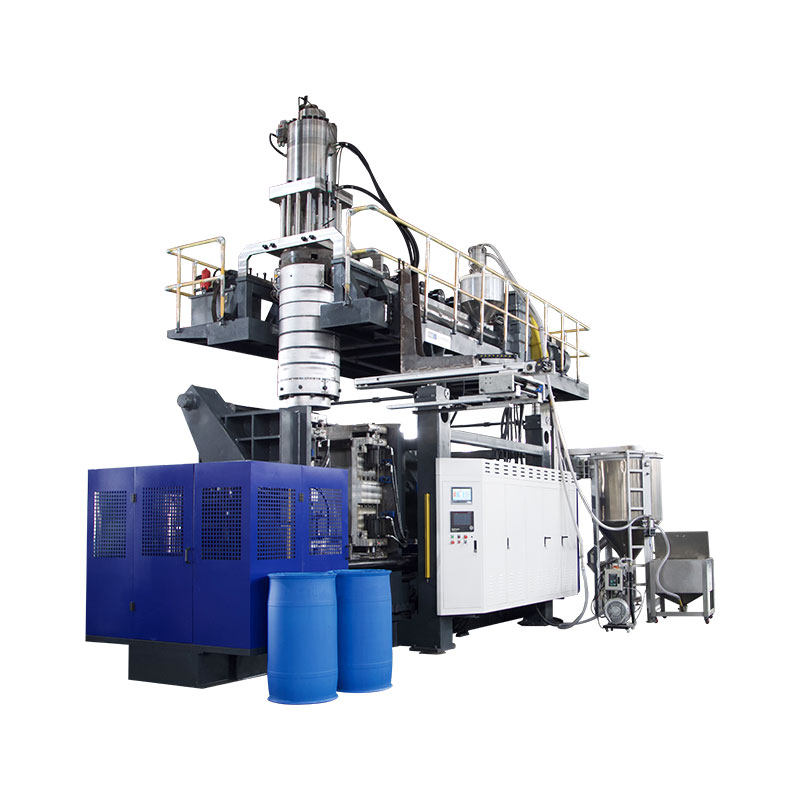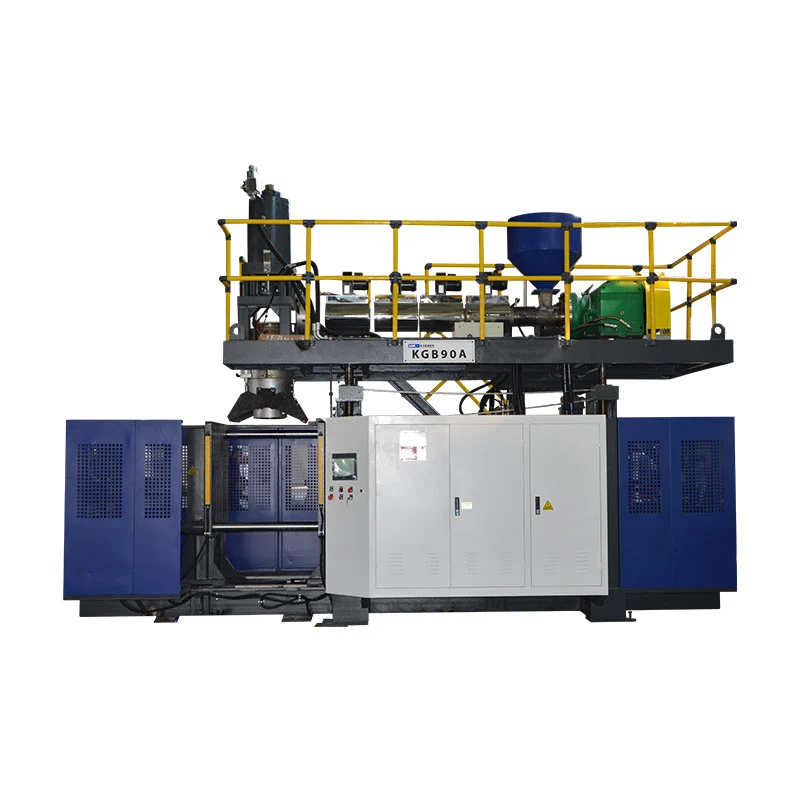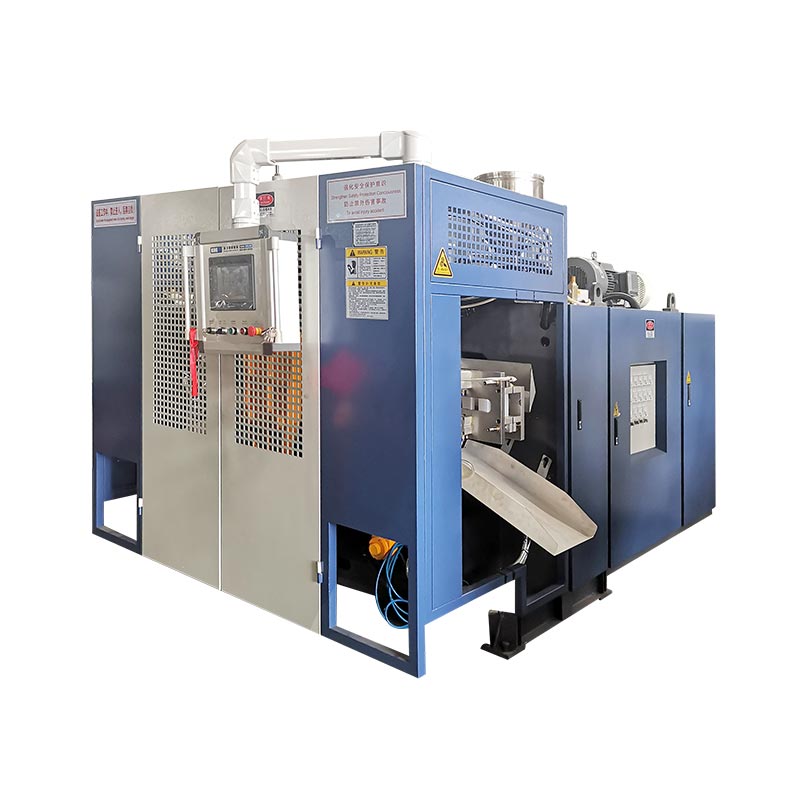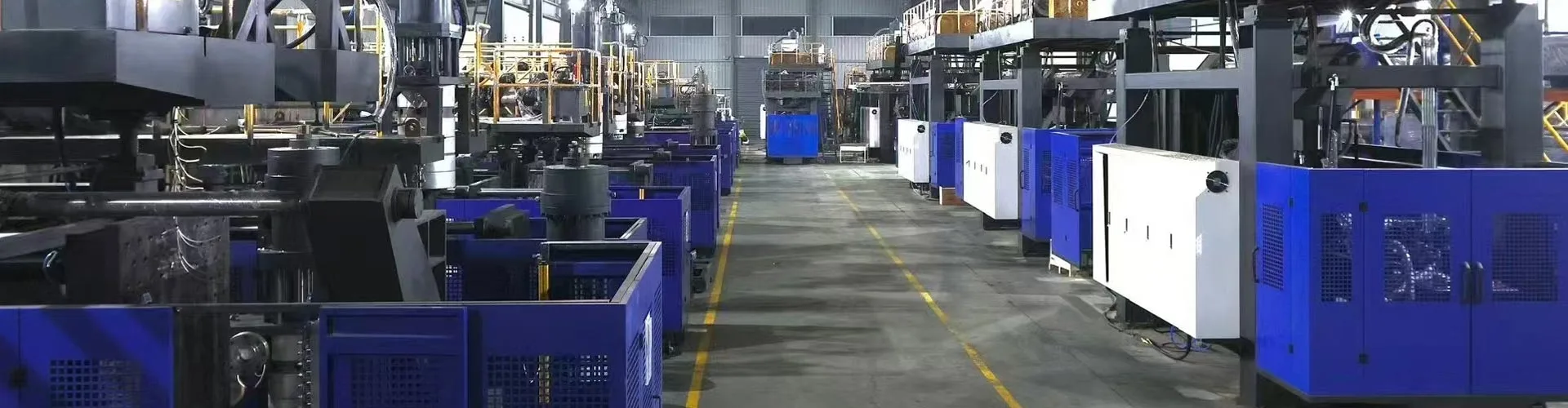
To choose a blow molding machine, work from the container outward. Your part's volume sets the machine size. Your target output decides single or double station. Three specs settle the rest: clamping force, accumulator size, and melting capacity. As anchors: a 2 L bottle needs about 40 kN of clamping, a 30 L drum about 215 kN, and a 1000 L IBC about 1000 kN. Fix the container and the output first, and the model picks itself.
Buyers who pick the wrong machine almost always make the same mistake. They start by looking at machines instead of defining the part.
A machine is a tool shaped to a job. Define the job, and the shortlist shrinks fast. Skip that step, and you overpay for capacity you never use — or buy a machine that cannot make your part at all.
Follow the five steps below in order. Our engineers walk every customer through the same path.
The five-step selection path
Step 1: Define the container
Everything starts with the part. Three details matter most.
Volume. A 500 ml bottle and a 250-liter drum need different machines entirely. Volume drives machine size more than any other factor.
Material. HDPE, PP, and PVC each process differently. Stiff grades like HMWHDPE demand more melting power, which changes the screw and motor you need.
Wall thickness and weight. A heavy-walled drum holds more melt than a thin bottle of the same volume. That changes the shot size the machine must deliver.
Do this now: write down your part's volume, material, wall thickness, and finished weight. Every step after this matches numbers to that list.
Step 2: Pick single or double station
Kinggle model names carry the answer in one letter. L means single station. D means double station.
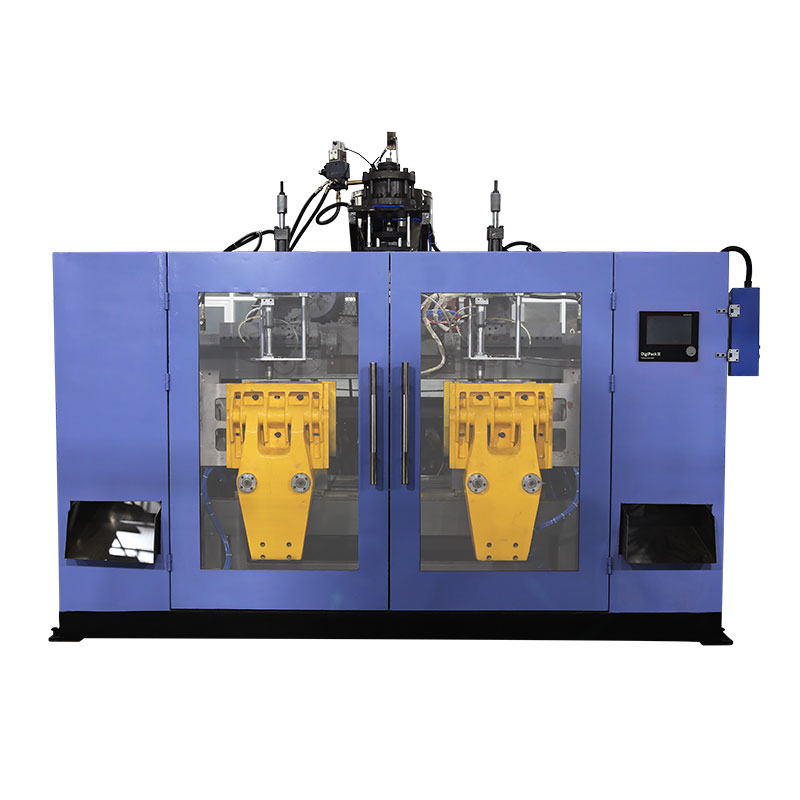
A double station puts two mold sets on one extruder. One side blows while the other ejects, so output roughly doubles from the same die head. You pay more than for a single station — but far less than for two machines.
The math stays simple. High volumes of small containers keep both stations busy, so a double station pays off fast. Modest volumes or large parts leave the second station idle — skip it and save the money.
Step 3: Check the three specs that decide it
Clamping force
Clamping force must beat the blow pressure times the part's projected area. Lose that math, and the mold cracks open under pressure. Flash appears on every shot.
Bigger parts demand far more force. Clamping climbs from 40 kN on a 2-liter bottle to 215 kN on a 30-liter drum, and 1000 kN on a 1000-liter IBC. Check this number first — flash from an undersized clamp has no settings fix, as our defects guide explains.
Accumulator (shot) size
Large parts need a storage head. The accumulator collects a full charge of melt, then fires it out fast — before the hanging parison stretches and thins. Our accumulator vs continuous guide covers that split in full.
The accumulator's capacity caps your part size. Kinggle accumulators run from 3 liters on small storage machines to 33 liters on the IBC line. Small parts on continuous machines skip this spec. Large parts live by it.
Melting capacity
The screw is the engine. Its diameter and length-to-diameter ratio (L/D) set how much plastic the machine melts per hour. No machine runs faster than it melts.
Kinggle screws span 50 mm on the smallest machines to twin 100 mm screws on the IBC line, with L/D from 24 to 32. Stiff materials like HMWHDPE need extra melting headroom. That demand explains why the largest machines run twin screws.
Container size to machine: the selection table
This table maps container volume to real Kinggle models. Use it to land in the right neighborhood. Then confirm the exact model against your part.
| Container | Type | Example model | Clamping |
|---|---|---|---|
| 2 L | Continuous | KGB2L / KGB2D | 40 kN |
| 5 L | Continuous | KGB5L / KGB5D | 65 kN |
| 15 L | Continuous | KGB15L / KGH15 | 165–200 kN |
| 30 L | Accumulator | KGB80A | 215 kN |
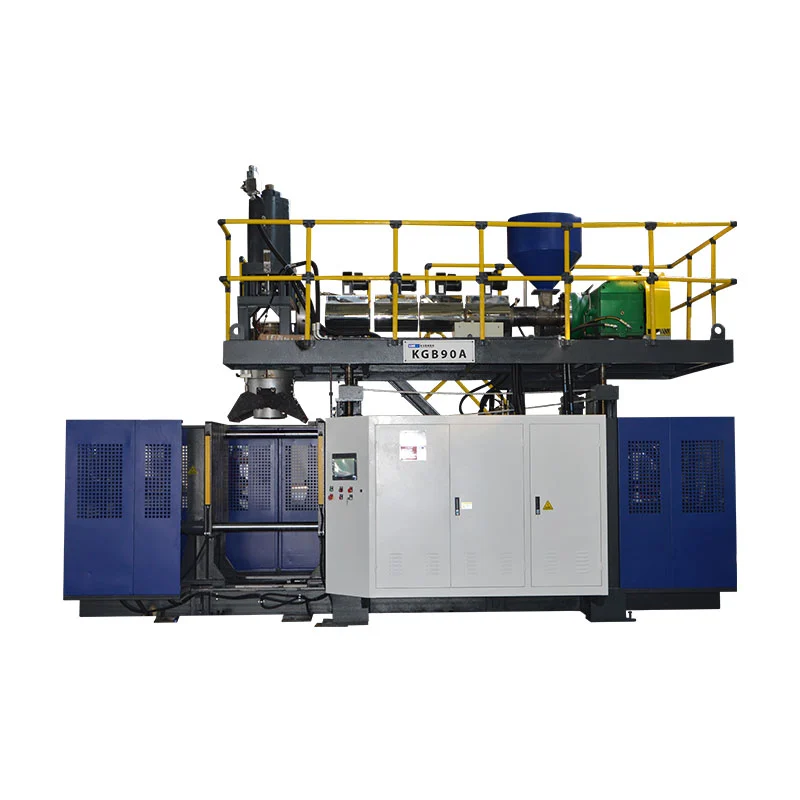
| 60 L | Accumulator | KGB90A | 280 kN |
| 100 L | Accumulator | KGB100B | 440 kN |
| 120 L | Accumulator | KGB110A | 760 kN |
| 160 L | Accumulator | KGB110B / 110F | 760 kN |
| 250 L | Accumulator | KGB120E | 800–1200 kN |
| 1000 L (IBC) | Accumulator (3-cyl) | KGS120A / KGS1000L-IBC | 1000 kN |
| 2000 L | Accumulator (3-cyl) | KGS135A / KGS150A | 1800 kN |
Read output numbers the right way
Every spec sheet lists output in pieces per hour. Read that number with care. Catalogues show the dry cycle — the machine cycling empty at full speed, no plastic, no cooling.
Real output runs lower. Each part must cool enough to hold its shape before it ejects. Thick walls and large parts cool slower, so the gap widens as parts grow.
Use dry-cycle numbers to compare machines on a level field. Plan your capacity — and your delivery promises — on realistic rates. A supplier who quotes dry-cycle numbers as production output rounds in his own favor.
Three real examples
1 L detergent bottle, high volume. Small part, big quantities. Pick a continuous machine with a double station, like a 5L-class double station with multi-cavity tooling. The job demands speed, not size.
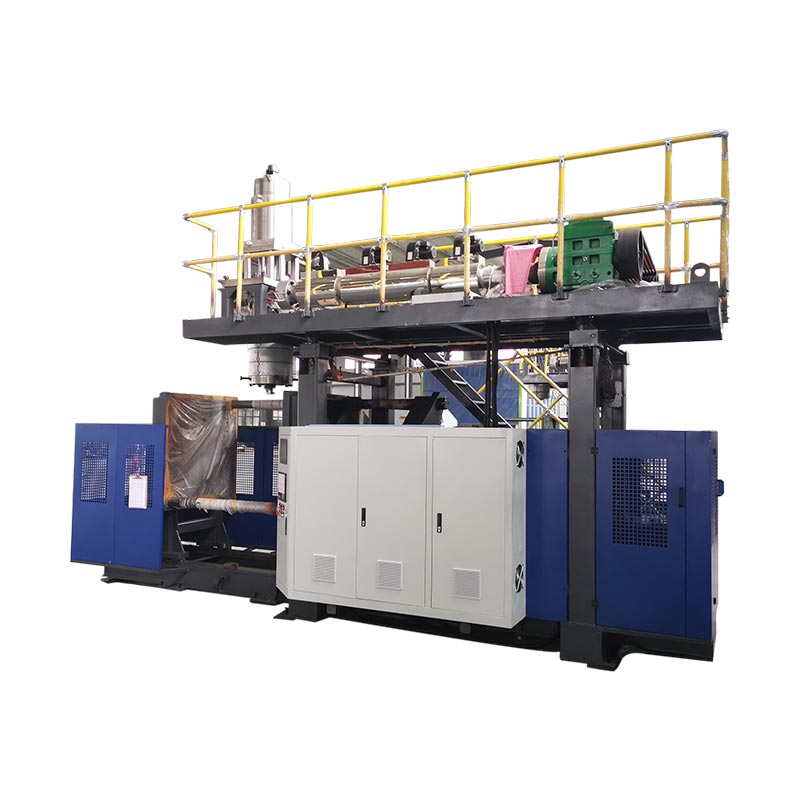
30 L HDPE chemical drum. The parison now weighs enough to sag, so you need an accumulator. The KGB80A fits: 215 kN clamping, an 80 mm screw, a 5 L accumulator. Single station — a second station rarely pays at this size.
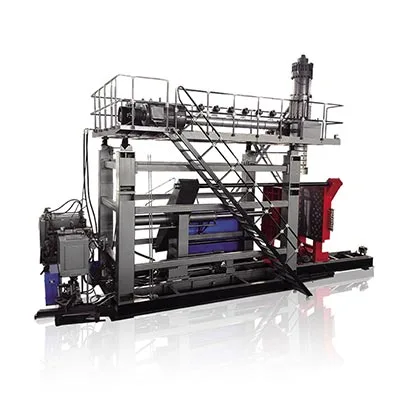
1000 L IBC tank. The far end of the range. The three-cylinder KGS1000L-IBC brings 1000 kN clamping, twin 100 mm screws, and a 33 L accumulator on a 55-tonne frame. Nothing smaller forms a parison that big before it sags.
The two ways buyers get it wrong
Under-buying. Some buyers chase the sticker price and pick a machine that cannot quite make the part. Too little clamping brings flash. Too small an accumulator brings thin walls. The cheap machine becomes the most expensive mistake on the floor.
Over-buying. Others assume bigger means safer and buy far above the job. The oversized machine runs slowly on small parts, burns extra energy, and locks up capital. Bigger is not insurance — bigger is waste on a schedule.
Both mistakes share one fix. Define the container and output honestly, check the three specs against them, and resist rounding up "just in case."
Frequently asked questions
How do I know what size blow molding machine I need?
Start with your container, not the machine. The part's volume sets the machine size. The material and wall thickness set the melting needs. Your target output per hour decides single or double station. Fix the container and the output first, and the machine size follows.
What clamping force do I need for a blow molding machine?
Clamping force must exceed the blow pressure times the part's projected area. Fall short and the mold cracks open under pressure, leaving flash on the parting line. Larger parts demand more force: a 2-liter bottle needs about 40 kN, a 30-liter drum about 215 kN, and a 1000-liter IBC about 1000 kN. Match the force to the part you make.
Should I buy a single station or double station machine?
A double station puts two mold stations on one extruder. One side blows while the other ejects, so output roughly doubles from the same die head. Pick double station when you run high volumes of smaller containers. Pick single station for modest volumes or large parts — a second station you cannot keep busy wastes money.
What happens if I buy a blow molding machine that is too big?
An oversized machine runs slower on small parts, burns more energy than the job needs, and locks up capital. Bigger does not mean safer. The right machine matches your container size and output. Over-buying costs as much as under-buying — it just hurts more slowly.
How is blow molding output (pieces per hour) determined?
Catalogue output figures show the dry cycle — the machine running empty at full speed. Real output runs lower, because each part must cool before it ejects, and larger or thicker parts cool slower. Use dry-cycle numbers to compare machines. Plan your capacity on realistic rates.
Tell us your container — we'll spec the machine
Send the volume, material, wall thickness, and target output per hour. Our engineers will name the exact model, clamping force, and screw setup for your part — and tell you straight if a single station does the job. Building blow molding machines since 2002, 15 engineers on the team.
Get a machine recommendation →Machine selection follows one order: container, output, then clamping, accumulator, and screw. Anchor on the part you make. Match the specs to it. Browse the full machine range — or jump straight to the continuous or accumulator categories once you know your neighborhood.