Blogs

Blogs

Blogs

Stay updated with the latest trends, technical guides, and case studies on blow molding technology. Expert insights from Kinggle’s 20+ years of experience.
Chemical Drum Blow Molding Machine: Passing the UN Drop Test12 2026-08

Chemical Drum Blow Molding Machine: Passing the UN Drop Test

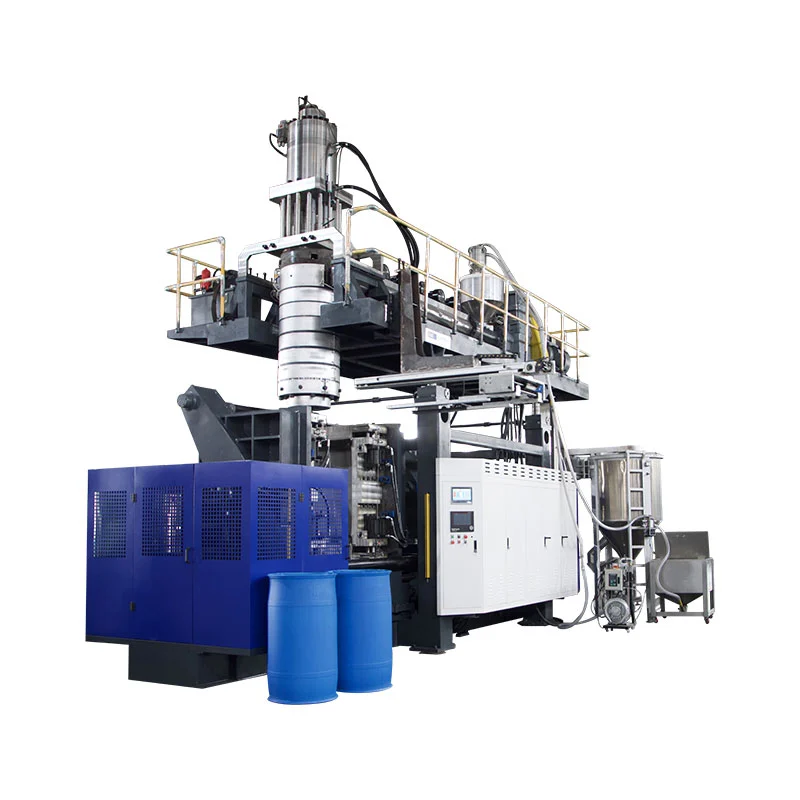
A chemical drum blow molding machine is an accumulator extrusion machine sized for 200 to 220 litre drums. The accumulator shoots a heavy parison out fast, before gravity pulls it out of shape. Everything else about the machine exists to serve one moment: the drop test.
Blow Molding Machine: Types, Anatomy, Output and How to Choose09 2026-08

Blow Molding Machine: Types, Anatomy, Output and How to Choose

A blow molding machine makes hollow plastic products — bottles, jerry cans, drums, tanks, fuel tanks, barriers — by melting resin, forming it into a soft shape, and inflating it with air inside a mold. This is a manufacturer's guide: how the machine works, the types you'll compare, the parts that actually decide quality, the output and cost math, and how to pick the right one. It draws on 20+ years of building these machines, so the trade-offs here are the ones that decide cost and quality on a real line.
Jerry Can Blow Molding Machine: Models, Output Math & Running Costs09 2026-08

Jerry Can Blow Molding Machine: Models, Output Math & Running Costs

A jerry can blow molding machine (also spelled blow moulding machine) uses extrusion blow molding to form hollow HDPE and PP cans — oil cans, chemical containers, water carriers and stackable canisters — from roughly 1 L to 30 L. This guide covers machine configurations, how to calculate real output, running costs, materials, automation and how to choose the right setup.
Plastic Blow Molding Machine: Types, Key Components, 2026 Trends and Buying Guide04 2026-08

Plastic Blow Molding Machine: Types, Key Components, 2026 Trends and Buying Guide

A plastic blow molding machine manufactures hollow plastic products by heating resin, forming it into a soft tube or preform, inflating it with compressed air inside a mold, and cooling it to a finished part — bottles, jerry cans, drums and industrial containers. The main types are extrusion, injection and injection stretch blow molding.
Continuous Blow Molding Machine: Configurations, Output Math, and Running Costs22 2026-07

Continuous Blow Molding Machine: Configurations, Output Math, and Running Costs

A continuous blow molding machine extrudes a nonstop parison while mold stations move in to catch and inflate it. The extruder never stops, which makes this the fastest route for HDPE and PP containers from about 0.5 to 30 liters. Three variables set your output: station count, die head cavities, and cycle time. Three more set your cost: energy per part, maintenance, and scrap. This guide covers both sides, with real specs from our own machines.
Blow Molding vs Rotational Molding: Which Process for Large Hollow Parts?17 2026-07

Blow Molding vs Rotational Molding: Which Process for Large Hollow Parts?

Blow molding inflates a tube of molten plastic against a mold in seconds to minutes. It costs more in tooling and wins at volume. Rotational molding tumbles plastic powder inside a heated, slow-turning mold. Its cycles run tens of minutes, but the tooling is cheap and the parts come out seamless. Annual volume usually decides it: low volumes favor rotomolding's cheap molds; production volumes favor blow molding's speed. For tanks, IBCs, floats, and barriers, a 250-liter blow molding machine runs 300 pieces per hour dry cycle, while a rotomolding cycle makes one part in the same span.
X
We use cookies to offer you a better browsing experience, analyze site traffic and personalize content. By using this site, you agree to our use of cookies.Privacy Policy