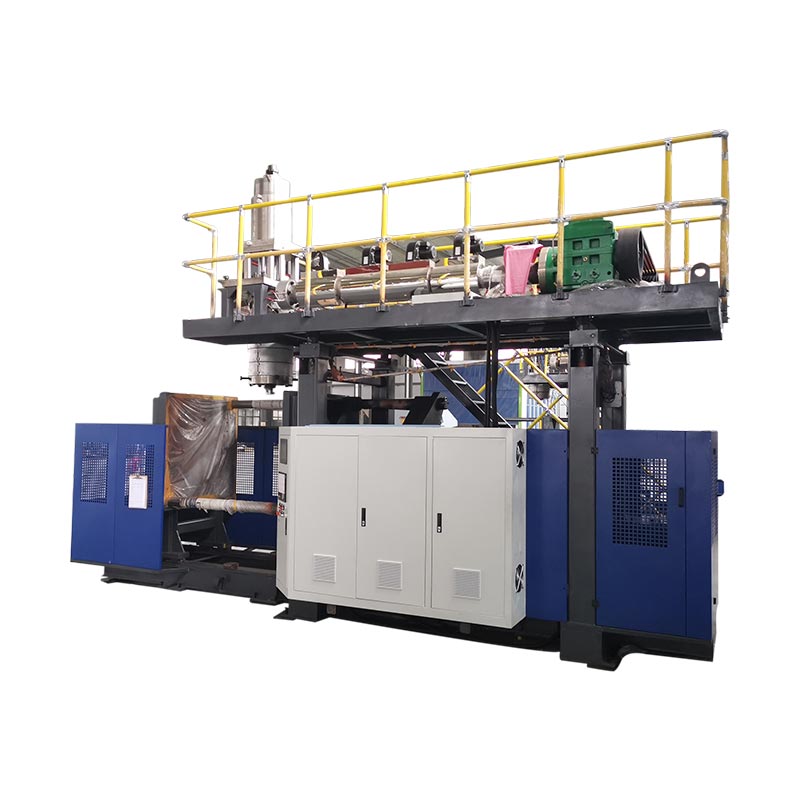
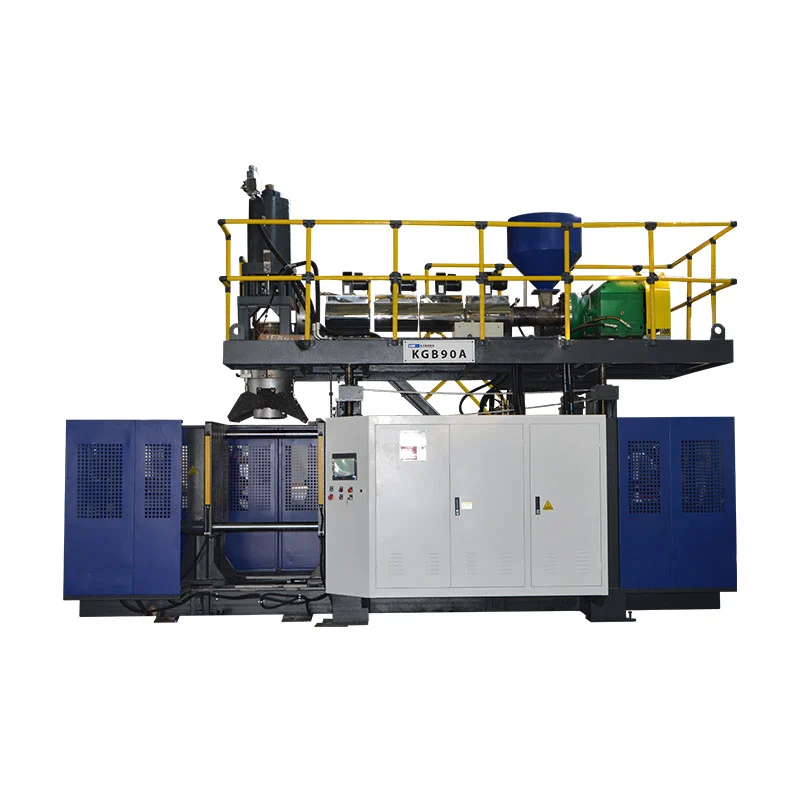
Choose a blow molding machine manufacturer by evidence of product fit, engineering responsibility, repeatable trials and service readiness—not factory size or catalogue claims alone. Verify who builds the equipment, how the proposed configuration handles your part, and what the supplier will deliver after testing. We recommend treating unresolved production or conformity requirements as decision gates that a lower price cannot offset.
A factory video can show clean assembly bays and machines moving smoothly. It cannot tell you whether the pictured machine uses your resin, forms your neck finish or delivers accepted containers through the required finishing operations. That is the gap a supplier evaluation must close.
The right question is not simply, “Is this a good factory?” It is, “Can this supplier explain, build, verify and support this production system?” That shift makes the review more useful and the final quotation easier to compare.
Before shortlisting a manufacturer, verify five things:
- Relevant process and product experience, not just matching container volume.
- A clear contracting party, build site and technical responsibility.
- Engineering explanations supported by drawings and measurable checks.
- A trial that identifies the product, conditions and accepted output.
- Conformity documentation, training and service arrangements for the supplied build.
Start with your product, not a supplier’s machine list
A useful shortlist starts with a controlled product definition. Give suppliers the drawing, material grade, target weight, neck or closure details, critical dimensions and required functional tests. Add the production schedule and the condition in which the product must leave the cell. A trimmed, leak-tested bottle is a different delivery requirement from an untrimmed molded article.
Process fit comes before supplier reputation. Extrusion blow molding forms a molten parison, while PET stretch blow molding works from a preform. Experience with one route should not be treated as proof of competence in the other. Kinggle’s machine and process guide explains the distinction. For an HDPE project, ask an extrusion blow molding machine manufacturer to address the actual resin and part geometry.
What makes a reference project relevant?
Matching nominal liters is a weak comparison. A reference becomes more useful when its material, handle, neck, wall requirements, tooling arrangement and finishing route resemble the proposed job. Ask which features were difficult and how they were checked. The supplier’s explanation should connect the machine configuration to those features.
A photograph of a successful container does not reveal the rejected parts or the conditions that produced it. Request a permitted reference discussion or an anonymized technical record when customer confidentiality prevents disclosure. Respect that confidentiality; a supplier need not expose another buyer’s drawings to demonstrate a sound review method.
Search terms also need care. A blow moulding factory may produce containers using purchased machinery rather than manufacture the machines themselves. Establish what the company actually supplies. Operating experience can be valuable, but equipment design, integration and long-term support require their own evidence.
Define the product family as well as the first SKU. Identify the widest part, the heaviest part and the most difficult format to grip or trim. They may not be the same item. The supplier should explain which fit the proposed build, which need additional tooling and which fall outside the quoted scope.
We prefer a narrower, well-supported configuration to a promise that one machine will handle every future product. A useful proposal names the limits before the order, while the buyer still has choices.
Who will actually build and support your machine?
Make the responsibility chain explicit. Identify the company signing the order, the manufacturing location, the technical contact and the party responsible for acceptance and support. These roles may sit within one organization or across several. What matters is that the buyer can follow the chain without discovering an unassigned interface later.
Ask who controls the machine drawings, purchased components, assembly work, tooling interfaces, software and test records. If the mold or a downstream unit comes from another supplier, identify who approves its connection to the molding machine. The main contractor should explain the scope it controls and the work it coordinates.
Outsourcing is a scope question, not an automatic failure
Purchased controls, drives, valves and specialist tooling do not make a supplier unreliable by themselves. Nor does a distributor automatically provide poor service. A distributor may offer useful local access, while a manufacturer may still depend on outside specialists. Evaluate accountability, technical access and the agreed obligations rather than choosing by label alone.
The weak arrangement is one in which nobody owns the complete result. A machine maker may approve its molding cycle while a mold maker approves cavity dimensions and an automation supplier approves its robot. If the container cannot transfer between them, those separate approvals have not solved the buyer’s problem.
Request a scope drawing or responsibility list before comparing equipment prices. It should identify the machine, molds, auxiliaries, finishing units, controls and plant-side services. Note who supplies, installs, tests and supports each item. The boundaries should match the commercial proposal.
Kinggle’s company profile describes extrusion blow molding machinery together with molds and auxiliary equipment for complete production lines. For a specific purchase, that broad capability still needs to become an agreed build list. A capability description is a starting point, not the final specification.
A factory visit or live walkthrough can help connect the named build site to the project. Ask to see an identified machine or assembly and discuss it with the responsible technical team. Do not confuse a busy workshop with proof that every quoted option is included.
Before commitment, record how design changes will be approved. A substitute component, revised mold interface or changed downstream scope can affect documentation and acceptance. The buyer needs a controlled revision, not a quiet change between the quotation and shipment.
Ask the engineer to explain your hardest part
The most revealing technical conversation begins with a difficult product feature. For a handled HDPE container, ask how the proposed process will place material around the handle root, close the pinch-off, cool the heavy regions and release the part for trimming. For a multi-outlet bottle, ask how outlet spacing, mold layout and individual position quality will be checked.
A substantive answer connects geometry, tooling and process conditions. It should not stop at a list of premium components. The buyer needs to understand what will be adjusted, what will be measured and what would trigger a tooling or configuration change.
Use three questions to probe the reasoning
- Where is the part hardest to form? Ask the engineer to identify stretch, weld, cooling or release constraints on the drawing.
- Which system controls that feature? Expect a clear link to the parison profile, mold detail, blowing arrangement, cooling circuit or handling fixture.
- How will the result be accepted? Agree on measurement locations, finished condition and functional test rather than “good quality.”
Consider wall distribution. Adding material everywhere may increase weight without correcting the location that needs it. Ask how the profile relates to the marked measurement points and how the supplier will distinguish a process adjustment from a mechanical or tooling problem. The parison programming guide provides the relevant control context.
The pinch-off needs a different discussion. In extrusion blow molding, the mold captures and seals the hot parison. It is not simply an injection cavity filled with pressurized melt. The material, closing action, weld region and flash-removal method need coordinated review. Kinggle’s mold design guide explains these interfaces.
Turn catalogue dimensions into screening questions
| KGB2L published reference | What it tells the buyer | What still needs verification |
|---|---|---|
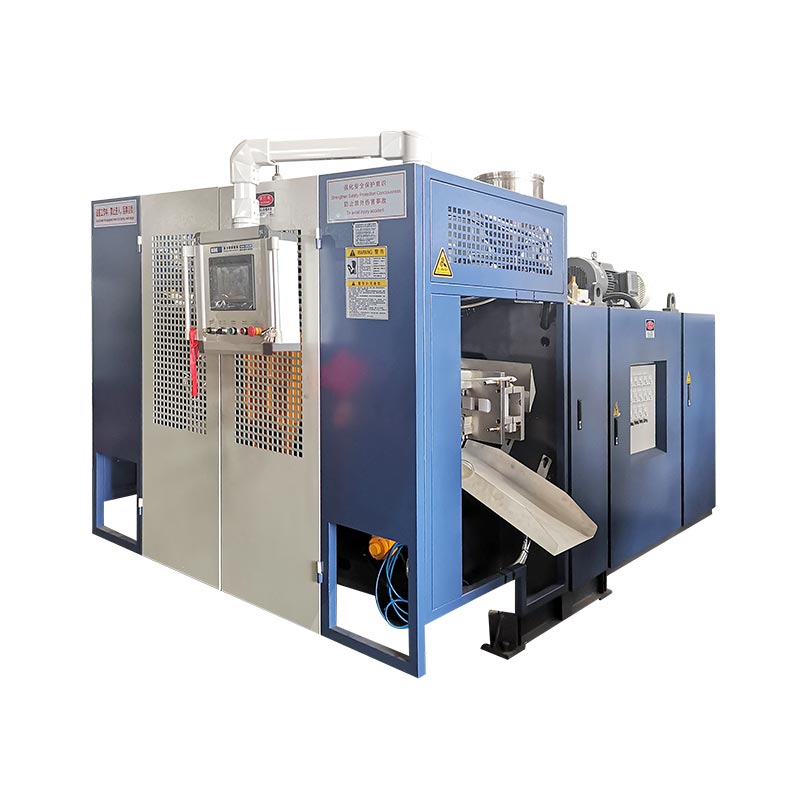
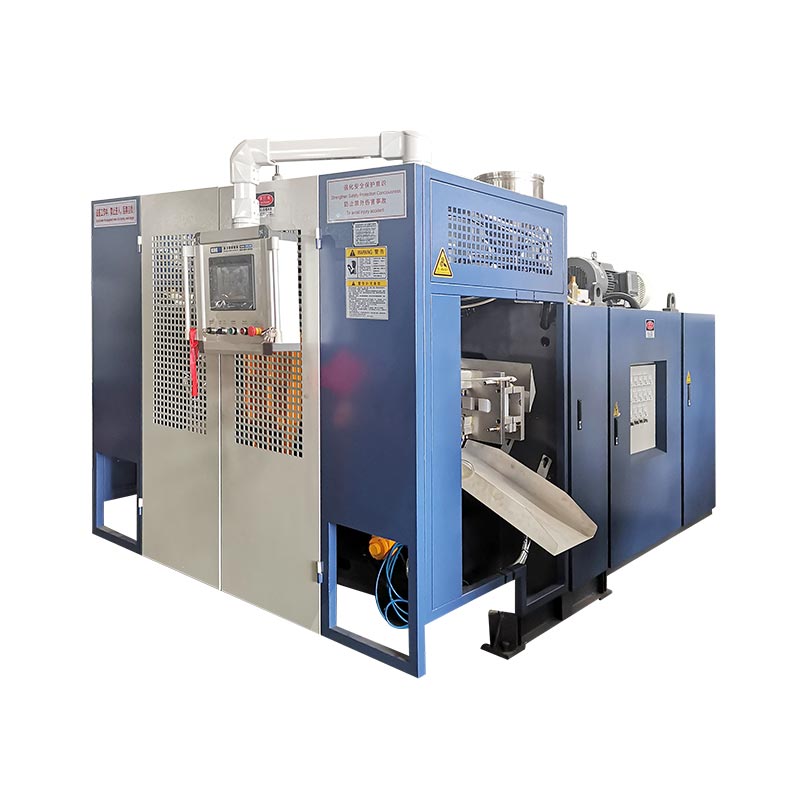
| Maximum container capacity: 2 L | Nominal machine capacity class | The actual shape, resin, weight and quality requirements |
| Maximum mold size: 360 × 380 mm | Published width × height envelope | Complete mold fit, services, opening and part removal |
| Mold thickness: 160–300 mm | Published thickness range | Approved tooling and mounting arrangement |
| Output (dry cycle): 600 PC/HR | The catalogue’s explicitly labeled dry-cycle reference | Accepted output with the actual product and finishing scope |
Source: Kinggle’s 2 L single-station KGB2L product page. These fields describe different aspects of the machine; they are not a production-trial result.
The same product page describes smaller-bottle multi-outlet options. That does not mean every bottle can share the outlet pitch or that adding outlets guarantees a proportional increase in accepted output. Review the mold envelope, gross parison demand, cooling and finishing together. The multi-head versus multi-cavity guide helps separate those decisions.
Our priority in this discussion is the engineer’s reasoning. A clear explanation of a constraint is more useful than a confident promise that no constraint exists.
A factory tour should produce evidence, not just photos
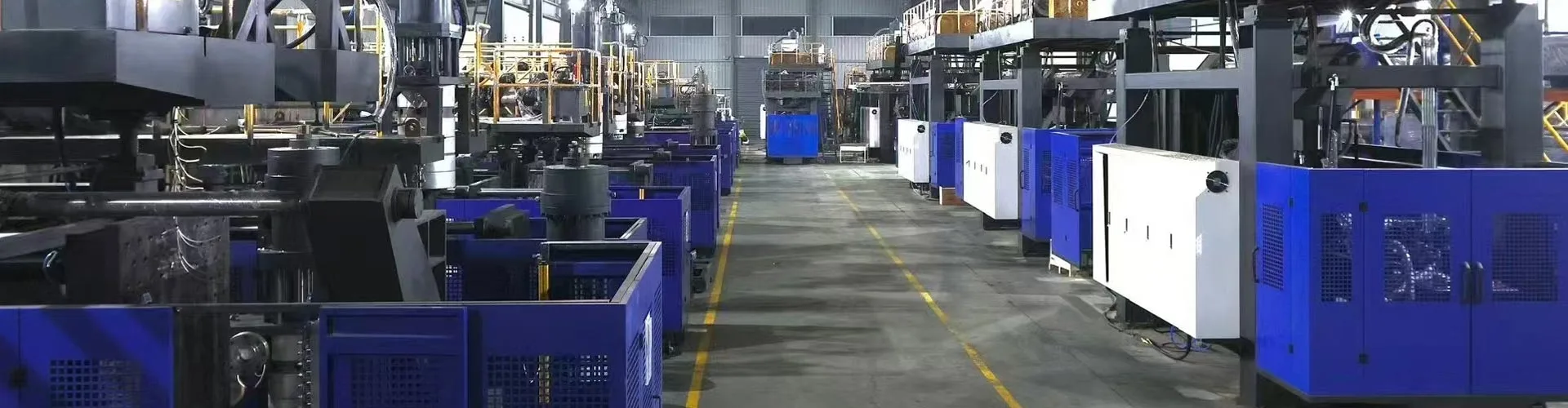
A worthwhile tour follows a build, a drawing and a sample. Those three paths reveal more than a general walk past assembled machines. The objective is to understand how the supplier turns a requirement into controlled work and how it checks that the result meets the requirement.
Follow one identified build
Ask the team to show how the assembly is linked to the approved configuration and drawing revisions. Check how purchased components and tooling interfaces are identified. Then ask how changes are recorded. The useful evidence is the connection between the documents and the physical equipment, not the number of machines in the bay.
For inspection, look for a defined method and result. A checklist marked “OK” may be adequate for a simple presence check. A dimensional or functional requirement needs the relevant value, limit and method. Ask how gauges and test equipment are identified where measurement accuracy matters.
Follow one sample
Trace a permitted sample to its resin, mold, production position and test condition. With multiple outlets or stations, find out whether the supplier preserves position identity. A mixed box of attractive bottles can hide an unstable position. The same location should remain identifiable through the checks needed for the job.
We would spend more time on how a rejected sample is handled than on a display of perfect samples. Ask what happens when a measurement fails: who reviews it, how the cause is investigated and what evidence closes the correction. A problem record with a verified resolution is more useful than a claim that problems never occur.
That does not mean demanding confidential customer files. Ask for a demonstration, a redacted record or an agreed project example. The evaluation needs enough information to test the control method without exposing another customer’s proprietary design.
Finish the tour at the handover process. Review how drawings, manuals, recipes, spare-part identifiers and open issues are assembled for the buyer. A technically strong build is harder to operate if the production team cannot identify a replacement part or recover an approved setup.
Record findings as confirmed, needing clarification or unresolved. Missing evidence is not automatically evidence of misconduct. Ask for the explanation first, then judge whether the remaining uncertainty affects the purchasing decision.
Make the trial comparable to your production
A trial should answer the buyer’s production questions. It needs an identified product, resin, mold, configuration, utility condition and accepted-product definition. Without those details, the demonstration shows that the machine can run, not that the proposed job has been verified.
Agree on the trial boundary before the run. If the quotation includes trimming and leak-tested discharge, those operations belong in the demonstration supporting line output. If they cannot be included, identify what was tested and what remains for later qualification. Do not silently turn an upstream count into a finished-container result.
Separate three observations
A dry sequence establishes the agreed machine motions under its stated conditions. A production run establishes molding with the identified material and tooling. Accepted output adds the required quality and finishing checks. These observations are connected, but they are not interchangeable.
Count accepted parts over a defined observation period and retain rejects by reason. Record stops, adjustments and manual interventions under the agreed time basis. A short run with support staff repeatedly correcting transfers does not demonstrate the same operating arrangement as an automatic production cell.
Keep samples traceable by outlet, cavity or station where those positions can influence quality. Report relevant individual results rather than relying only on an average. One thin handle root or leaking pinch-off cannot be made acceptable by heavier or sound parts from another position.
We recommend agreeing on test conditions before discussing the output target. Otherwise, the target may be supported by a lighter bottle, an easier resin or a finishing operation omitted from the clock. A comparable trial makes the performance discussion specific enough to be useful.
Ask what happens after an interruption
Choose recovery and changeover checks relevant to the project. These may include an agreed material replenishment event, downstream stop or format change. The approved safety design controls the procedure; the trial is not an invitation to create an unsafe fault or bypass protection.
Record which recipe and tooling state restored accepted production. That information becomes a baseline for commissioning, not just evidence for shipment. The factory acceptance test guide explains the records behind a defensible result.
A reference test on a similar machine may help an early shortlist. It should remain identified as a reference. The final acceptance plan must connect the claim to the equipment and configuration actually purchased.
Check conformity documents against the exact build
Certification and conformity information deserves careful reading. The document should answer a defined question: which organization, product or system does it cover, under what requirements and within what scope? A collection of logos cannot answer those questions for the buyer.
For an EEA project, the European Commission’s CE guidance describes the manufacturer’s responsibilities for conformity assessment, technical documentation, the declaration and product marking. It also explains that CE marking does not mean a product has been approved as safe by an EU authority. It is not a factory ranking or a production-output certificate.
Ask how the supplied equipment is identified in the relevant declaration and accompanying documentation. Check the model or build identity, configuration and stated scope with the responsible technical reviewer. For an integrated line, establish who handles the relevant conformity responsibilities at the interfaces. Do not assume separate documents for individual modules settle the complete installation.
What does an “ISO certified blow molder” claim establish?
First identify whether the organization makes molded products or machinery. Then identify the named standard. ISO 9001 concerns a quality management system; a management-system certificate is different from proof that one machine produces an approved container at a specified rate. ISO’s quality-management overview provides that system context.
Request the certificate rather than relying on a badge. Check the legal organization, covered site, activities, validity and issuing body. Ask whether the stated scope relates to the work being purchased. A certificate covering an unrelated site or activity does not resolve the project question.
ISO itself does not issue certificates; external certification bodies perform certification. Its certification guidance describes verification routes, including contacting the issuing body and using the relevant accredited-certification database. Verification should confirm the specific claim, not merely find a similar company name.
Keep conformity review separate from production acceptance. The former addresses applicable requirements; the latter verifies the agreed product and performance. Both need the correct identity and scope. Neither can be replaced by a customer testimonial or a component brand.
The destination, equipment scope and applicable requirements determine the final document set. Have the responsible specialist establish that set before commitment. Resolve any essential gap before release rather than discovering at installation that the purchased configuration and paperwork do not match.
Test the service plan before you need it
“Good after-sales service” should become a practical handover plan. Identify the technical contact, the communication route and the information needed to diagnose a problem. Then review how the buyer’s operators and maintenance staff will use that route after the commissioning team leaves.
A useful pre-order exercise is a support walkthrough. Describe a proposed fault scenario and ask what information the supplier would request first. Relevant items may include the build identity, alarm history, recipe version, product position and utility readings. This is a way to assess the support method, not a substitute for an agreed response commitment.
Make parts identifiable
Ask for a parts list that connects the machine’s wear and service items to usable identifiers. Clarify which items are standard purchased components and which require a supplier-specific drawing or build reference. A photograph can assist identification, but a photograph should not be the only route to ordering a critical replacement.
Define the recommended commissioning and operating spares around the selected configuration. Confirm what is included, what is optional and how future orders are handled. Do not assume a generic spare kit covers an extra head, revised valve package or downstream fixture.
Make the approved setup recoverable
Agree on the drawings, manuals, software or recipe backups and access arrangements that the buyer will receive. Identify revisions and the process for later changes. The plant needs a controlled baseline and an authorized route for maintenance, not unrestricted access that defeats the safety design.
Training should cover normal operation, quality checks, tooling changes, alarms and the approved recovery procedures. It should also identify tasks that remain manual. An automatic line still needs people responsible for material, sampling, scrap, packing and maintenance.
Kinggle’s published service information describes installation support, training resources and after-sales coordination. For a purchase, specify the actual delivery scope, responsibilities and exclusions in writing. Published capabilities do not define every project’s warranty, local support arrangement or travel provision.
We value a service plan that the maintenance team can use over a broad claim of instant support. Confirm contact availability, escalation and any response obligations as agreed terms. Parts availability and shipping time should also be confirmed for the named items rather than borrowed from another project.
Use evidence gates to shortlist suppliers
A supplier score can look precise while hiding an unresolved requirement. A large factory, attractive price or polished presentation should not compensate for a machine that has not been shown to fit the product. Start with essential evidence gates, then compare the commercial strengths of suppliers that can meet them.
The following matrix is a practical evaluation method, not an industry certification or an official ranking system. Adapt its gates to the project. Mark each area as confirmed, needing clarification or critically unresolved, and keep the supporting evidence attached to the decision.
| Review area | Evidence to examine | Question if evidence is missing | Procurement action |
|---|---|---|---|
| Product fit | Technical proposal linked to the drawing and material | Which requirement is supported only by assumption? | Clarify or trial the critical feature before approval. |
| Build responsibility | Equipment list, interfaces and responsible parties | Who owns the complete delivered result? | Assign unresolved interfaces in the order scope. |
| Production trial | Identified conditions, quality results, counts and event log | Does the evidence match the proposed job? | Do not accept a reference or dry cycle as the final production result. |
| Conformity | Applicable documents for the supplied configuration | Does the identity and scope match the build? | Resolve essential gaps with the responsible reviewer. |
| Service handover | Parts, manuals, backups, training and agreed support terms | Can the plant identify, maintain and recover the equipment? | Define missing deliverables and responsibilities. |
Compare price only after aligning scope
Consider two hypothetical proposals. One includes tooling, trimming and an identified trial; the other quotes the molding machine alone. Their headline prices do not describe the same purchase. Add the missing equipment and services, then compare the conditions, exclusions and recurring work. Do not infer quality from price in either direction.
A critical gap is different from an ordinary clarification. A missing brochure detail may be easy to resolve. An unverified essential product requirement, unknown integration owner or unresolved applicable documentation needs a decision before commitment. Ask for evidence, set the next action and retain the issue until it is closed.
We recommend a short decision record: requirement, evidence, remaining uncertainty and approval basis. That record lets production, maintenance and procurement understand why the supplier was selected. It also gives the project a baseline when the configuration changes.
Send shortlisted suppliers the same product definition and delivery scope. Request their assumptions explicitly. This produces a more meaningful comparison than asking several factories for the price of vaguely similar blow molding equipment.
Discuss your project with Kinggle. Send the drawing, resin grade, finished weight, quality requirements, production schedule and downstream scope through the manufacturer enquiry page.
Contact sales@kinggle.com or +86-574-87103665. Clear project inputs make it possible to review a defined configuration and the evidence needed to approve it.
Questions to ask before choosing a manufacturer
How can a buyer verify who actually builds the blow molding machine?
Match the contracting company, manufacturing site and technical contacts to an identified build. Ask who controls the drawings, assembly, testing and after-sales support, including outsourced work. A live walkthrough or factory visit can support that review, but photographs alone do not establish responsibility. The order should identify the party accountable for the complete supplied configuration.
Is a blow moulding factory necessarily a blow molding machine manufacturer?
No. A blow moulding factory may make plastic containers or other hollow products using purchased machinery. A machine manufacturer supplies the equipment that performs that process. Check the supplier’s actual products and project responsibility before shortlisting. For an equipment purchase, experience operating a molding process is relevant, but it does not by itself establish machine-design, integration or service capability.
What should an ISO certified blow molder claim tell the buyer?
It should prompt a certificate check, not end the evaluation. Identify the standard, certified organization, covered site, scope, validity and issuing body. Also establish whether the company supplies molded products or machinery. A management-system certificate does not prove that a particular machine meets the buyer’s production requirements. Check the actual build, product trial and delivery obligations separately.
Does CE marking prove that a supplier offers the best machine?
No. CE marking addresses conformity with applicable requirements, not a ranking of manufacturers or a guarantee of output. For an EEA project, examine the relevant declaration and documentation for the supplied configuration, with appropriate technical review. Compare product performance through an agreed trial. A mark on a brochure cannot replace either the conformity review or the production evidence.
What information should be sent with a manufacturer enquiry?
Send the product drawing, resin grade, target weight, critical quality requirements, production schedule and required downstream operations. Include the available plant utilities and any existing tooling or equipment interfaces. Ask for a defined configuration, exclusions and proposed trial conditions. These inputs let an extrusion blow molding machine manufacturer address the job instead of returning a generic catalogue recommendation.