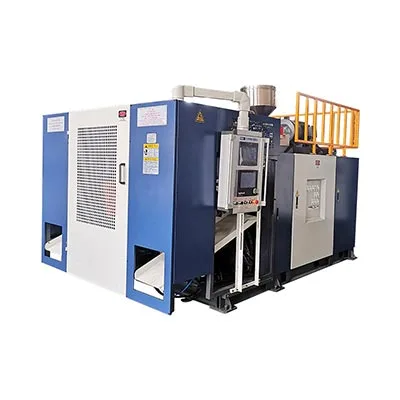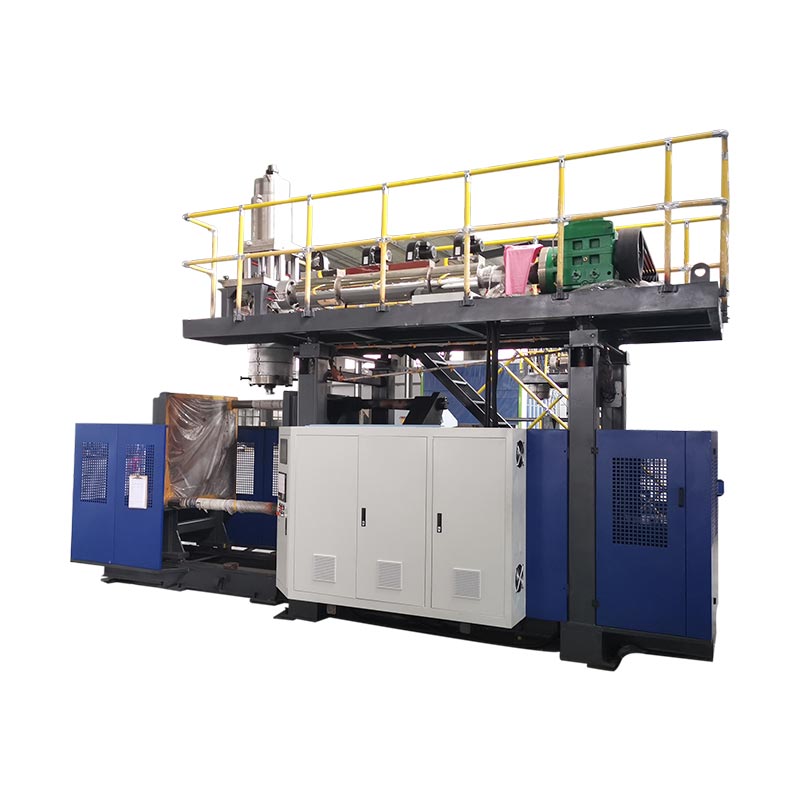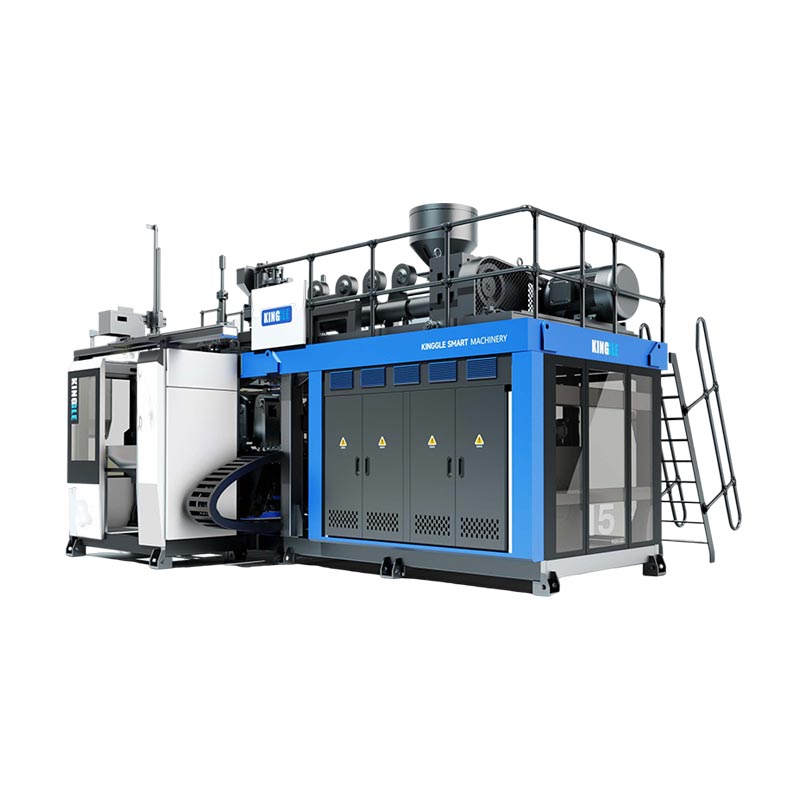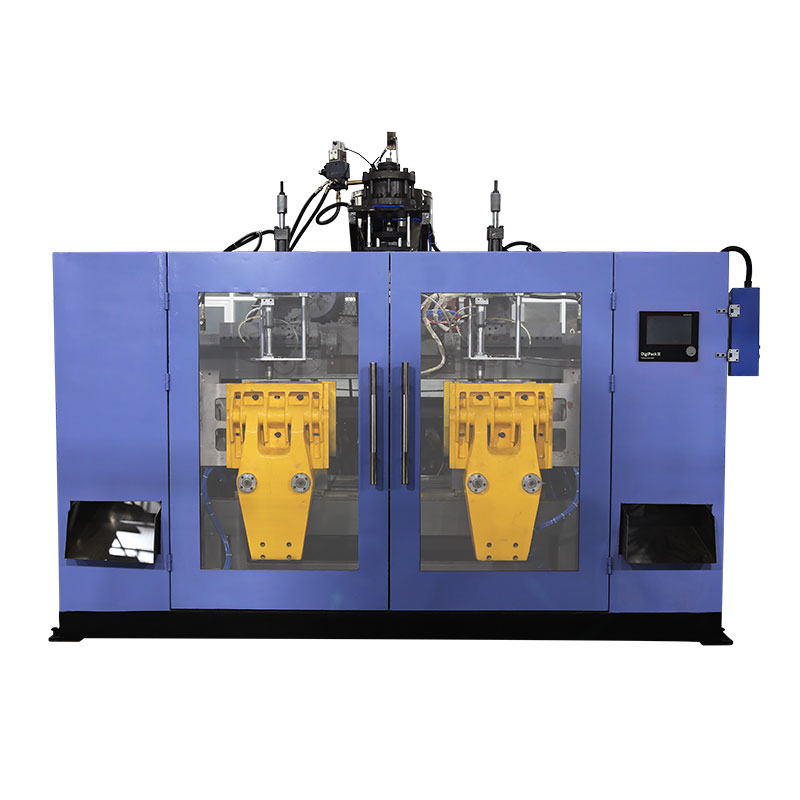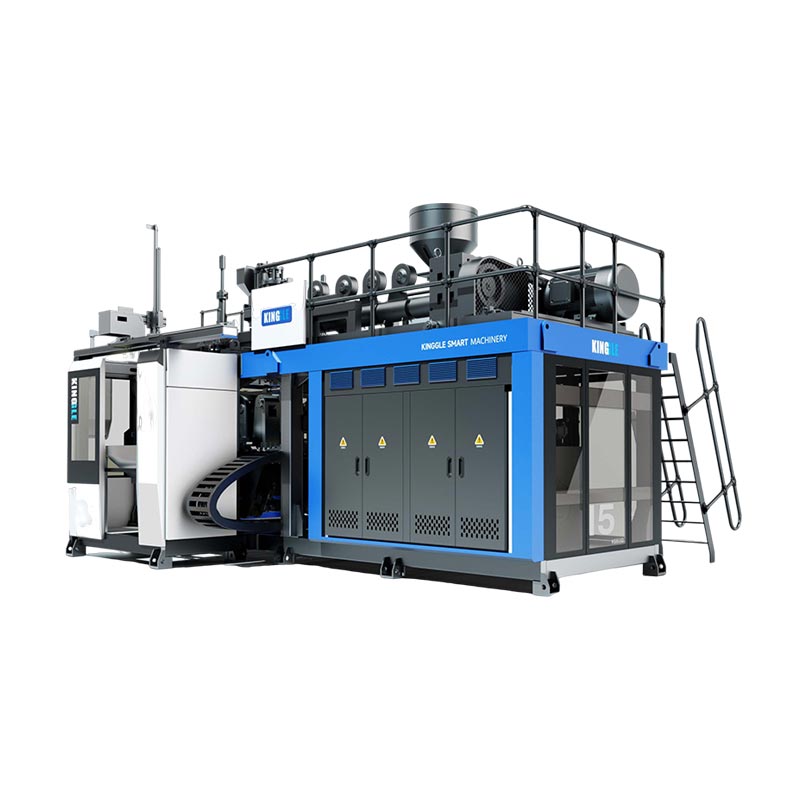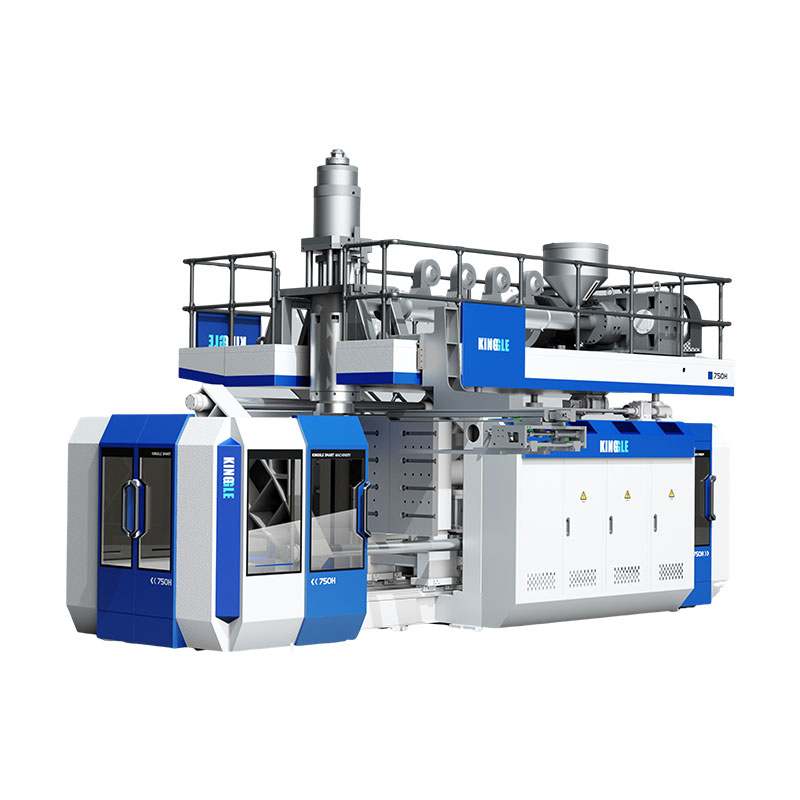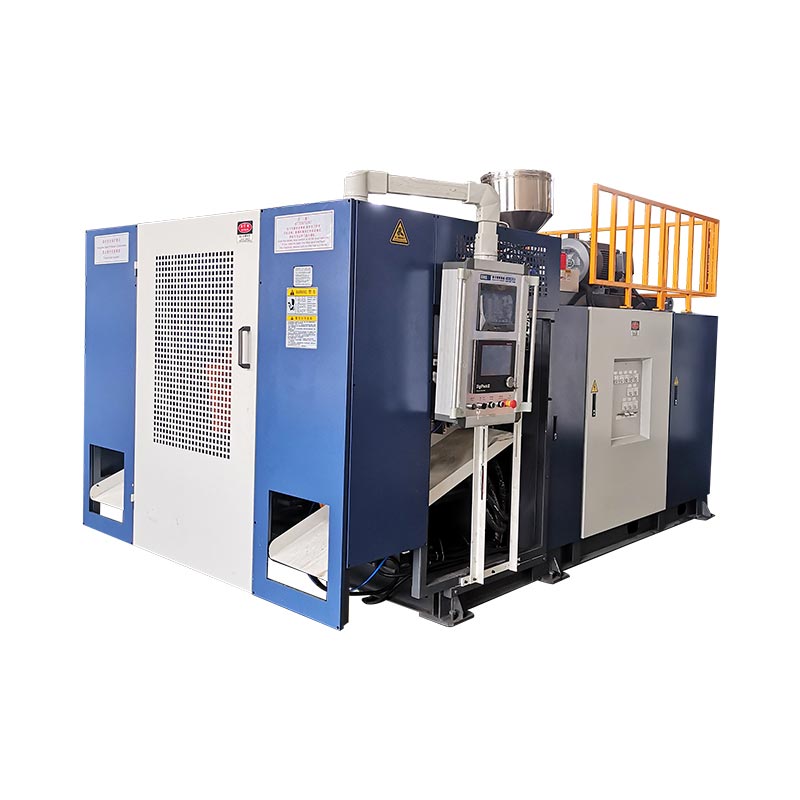
Choose a multilayer blow molding machine by matching each layer's function to the container specification. Check that the quoted extrusion system can hold the recipe at the required output, then compare cost per accepted container. Verify the configuration with the intended materials and mold; extra layers are justified only by a defined product or production requirement.
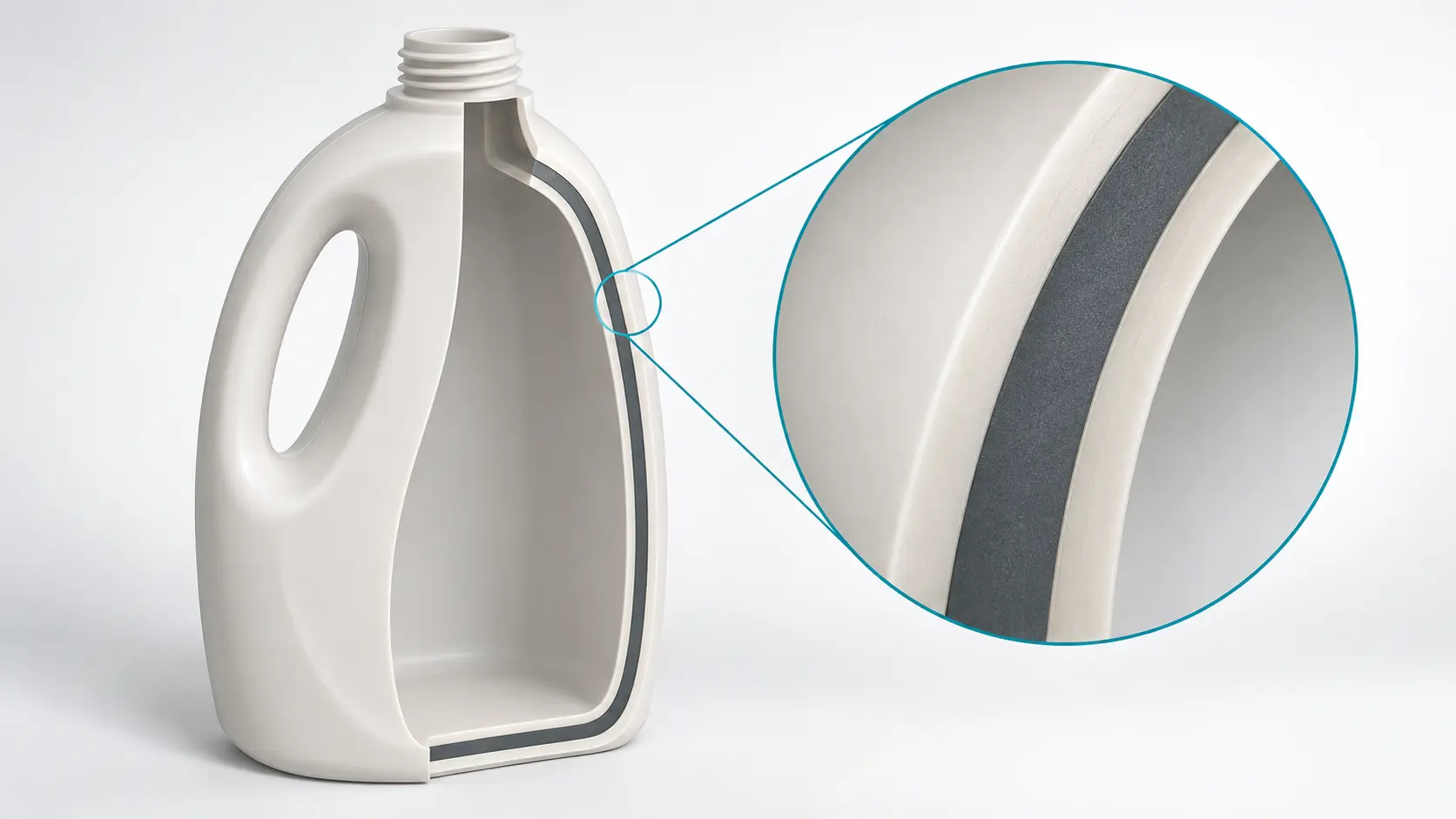
A useful purchase decision follows four checks:
- Write the container specification before selecting a layer count.
- Map each material stream to its layer and verify its operating range.
- Check actual layer distribution and finished-container performance.
- Include production losses in the cost comparison and trial record.
Start with the container specification, not the layer count
A request for a "three-layer bottle machine" leaves too many decisions open. It does not identify the contents, container geometry, resin grades, required output or reason for separating the wall into layers. A supplier can answer that request with a machine category while still quoting the wrong material system.
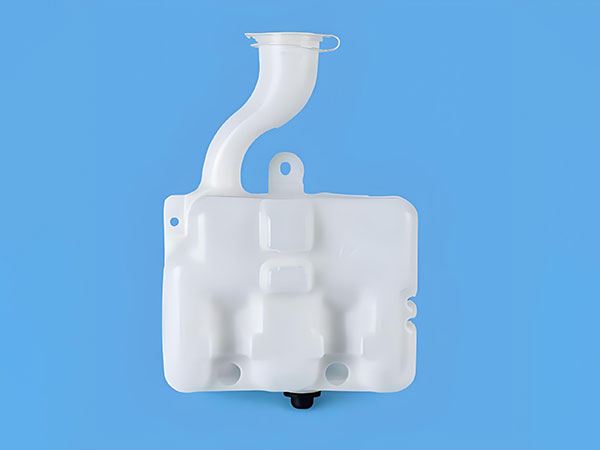
Start with the finished container. Provide its drawing, neck finish, handle arrangement, nominal capacity and finished weight. Add the required appearance, service conditions and performance checks. A light-colored detergent bottle and an oxygen-sensitive package need different evidence, even if their volume and total weight match.
Turn requirements into acceptance items
Replace loose terms such as "good barrier" or "high strength" with a defined test and acceptance limit. State whether the bottle must withstand a particular handling sequence, keep a specified appearance or meet a product-protection target. The test condition belongs beside the limit, including the contents or simulant when relevant.
| Requirement | Selection question | Evidence to request |
|---|---|---|
| Consistent surface color | Which layer carries the color, and what input variation is allowed? | Approved appearance sample and trial samples across the run |
| Recycled material in the core | Which source, grade and material share must the system handle? | Material specification, feed mapping and finished-part results |
| Product protection | What substance must the wall keep in or out? | Barrier target, test conditions and package-level validation |
| Handling and stacking | Which container locations and loads control performance? | Drawing limits and agreed mechanical tests |
| Production output | How many accepted containers are required within the defined time? | Gross melt demand, accepted counts, rejects and stop log |
Keep mandatory requirements separate from preferences. If a single-layer structure already passes the specification, use it as the reference option. A multilayer proposal then needs a clear reason: a different surface, a defined core material, a barrier function or another requirement that the reference cannot meet economically.
State the product mix as well. A line serving long repeat orders has a different changeover burden from one making short batches in several colors. Include the smallest and largest planned products, rather than testing only the easiest bottle. This gives the equipment discussion a usable boundary.
Give every layer a job before choosing the structure
Co-extrusion blow molding combines material streams into a layered parison before the mold forms the hollow part. The selection question is how those layers serve the container. Kinggle's multilayer co-extrusion overview explains the basic process and common layer functions.
A double layer blow molding machine can be relevant when the inner and outer surfaces need different formulations. A three layer blow molding machine adds a separate core between those surfaces. Neither description establishes strength, chemical compatibility or barrier performance by itself. Those properties still need the selected materials, geometry and test results.
| Structure concept | Reason to evaluate it | Question that remains |
|---|---|---|
| Single layer | One formulation meets the complete product requirement | Does the finished container pass at the proposed weight? |
| Two layers | Separate inner and outer formulations | Do the surfaces and interface remain acceptable? |
| Three layers | Assign a core formulation independently of both skins | Can the intended core share run with acceptable skins and performance? |
| Barrier structure with tie layers | Combine a selected barrier resin with structural materials | Are the resin grades, interfaces and package performance validated? |
Specify materials as a system
For a skin/core/skin structure, identify the resin and additive package at each position. Distinguish purchased recycled feedstock from production trim returned through a grinder. A recipe described simply as "new/old/new" hides the information needed to assess consistency and material handling.
Do not treat a buried recycled core as automatic proof of suitability for the contents. Request the material documentation and product-specific assessment required for the intended use. Likewise, recycled content and recyclability are separate questions. One concerns what enters the container; the other concerns what can happen to the complete package afterward.
A barrier layer changes the material system
Kuraray identifies EVAL EVOH as a gas-barrier material used in packaging and other applications. Its technical presentation also illustrates tie layers between polyolefin and EVOH. Those adhesive positions belong in the structure and equipment review, not outside the layer count.
Ask for the complete resin combination, including adhesive grades, handling instructions and agreed barrier conditions. A material permeability value is not a shelf-life result for a finished bottle. The container, closure, contents and use conditions need their own validation. Adding a barrier resin without that specification leaves the purchase decision unfinished.
Check whether the quoted machine can run the layer recipe
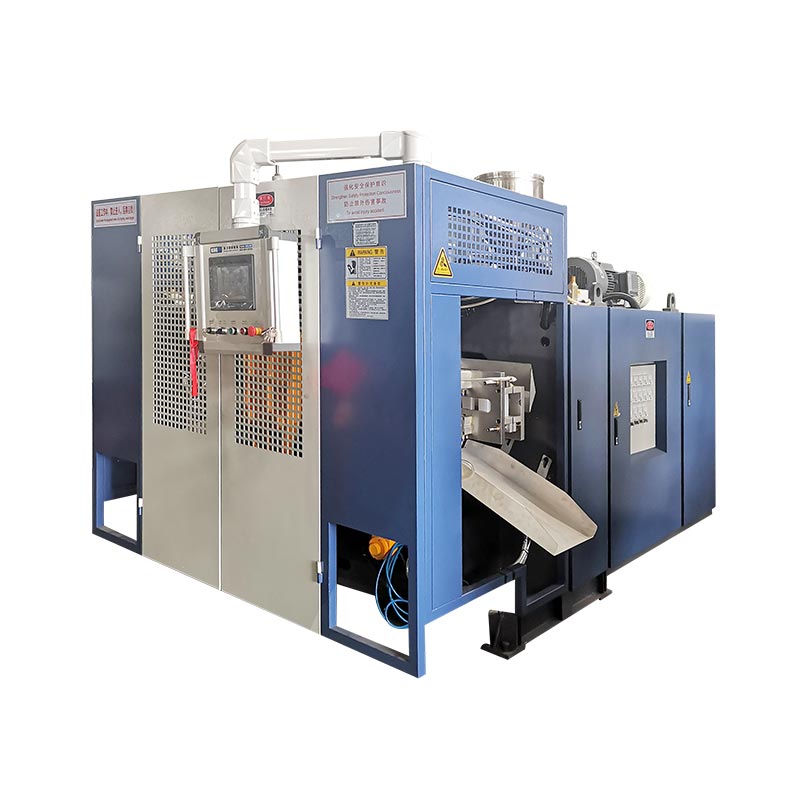
A multilayer extrusion blow molding machine must match both the container and the material streams feeding its head. Request an equipment schedule that names each extruder, feeder, material path and layer position. The drawing should also identify die outlets, stations and mold cavities. These counts describe different parts of the system.
A multi-head machine produces several parisons for a molding event. A multilayer die head forms layers within a parison wall. A quotation may combine these features, but one does not establish the other. Likewise, the layer count alone does not provide a reliable extruder count. Read the actual feed mapping.
Size the material streams with complete units
Use gross parison demand for extrusion sizing. Finished bottle mass alone leaves out material that becomes trim. Define the gross mass per molded container and the number of containers formed per hour. For a multi-outlet arrangement, include all containers in that production rate.
Consider a hypothetical bottle with a finished mass of 40 g and a gross parison allocation of 55 g. Assume the line forms 1,200 bottles per hour before quality rejects. The 15 g difference is trim in this example, not a standard scrap allowance. These inputs illustrate the method; they are not Kinggle production results.
Material-stream demand = gross melt demand × assigned mass fraction
| Position | Assigned mass share | Required flow |
|---|---|---|
| Outer skin | 20% | 13.2 kg/h |
| Core | 60% | 39.6 kg/h |
| Inner skin | 20% | 13.2 kg/h |
| Total | 100% | 66.0 kg/h |
The 20/60/20 recipe is a calculation assumption, not a recommended recycled-content ratio. If one material stream feeds several positions, combine those positions when calculating that stream's load. Also check the smallest planned bottle and layer share. A maximum-output figure does not establish stable operation at a low feed rate.
Use Kinggle's product options as the starting point
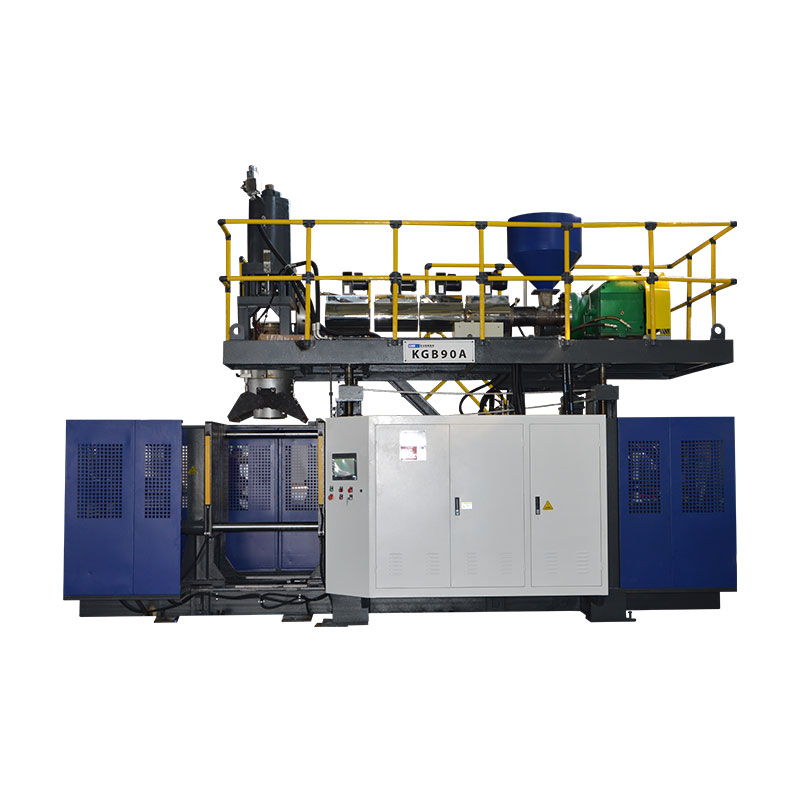
Kinggle's KGB2L 2L single-station machine lists single-, double- and three-layer options. The KGB5D 5L double-station machine lists the same layer options on a different platform. Both pages separately describe multi-die-head configurations, which reinforces why layer count and outlet count need separate entries in the quotation.
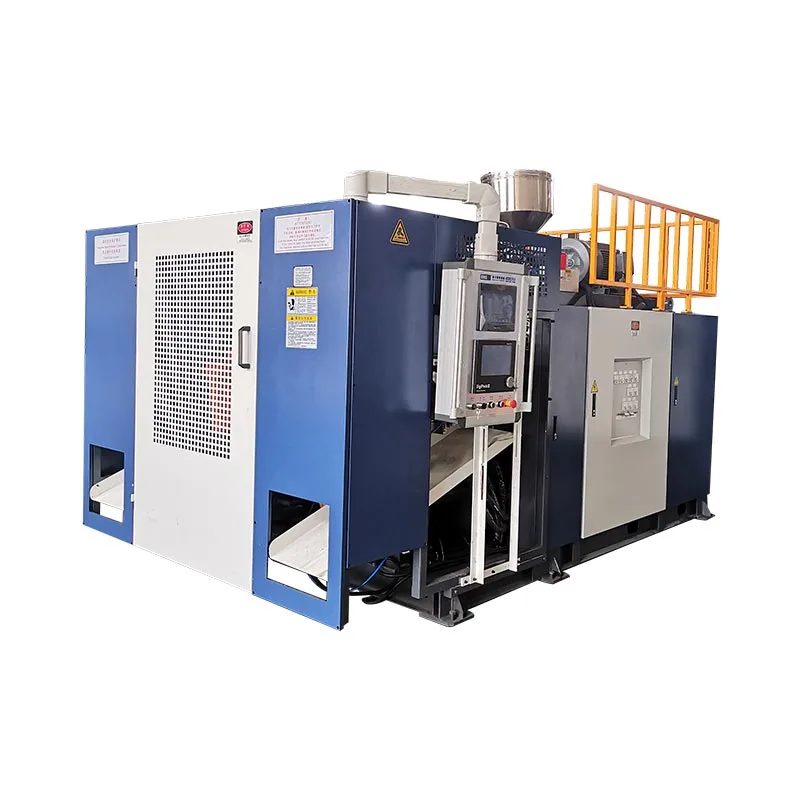
The published capacity classes are useful for narrowing the platform. They do not replace a resin-specific configuration review. Ask which screw designs, feed systems and head options serve the proposed recipe. Do not treat a base HDPE plasticizing figure as the combined capacity of an unspecified multilayer system.
For a co-extrusion blow molding machine quotation, record the agreed flow range for every material stream, preparation requirements, filtration where needed, recipe controls and purging procedure. Specify which auxiliaries the price includes. A material circuit that works in a demonstration may still need equipment outside the quoted machine boundary.
Verify the layers in the molded container, not just on the recipe screen
Layer ratio control starts with material supply, but acceptance belongs to the finished container. A screen displaying the correct percentages does not show the layer thickness at a shoulder or corner. Total part weight is also insufficient: it describes the whole container, not where each material ended up.
Keep three records separate: the mass recipe, the total wall-thickness profile and the layer distribution measured in the part. Even in an ideal section, different material densities mean a mass fraction is not automatically a thickness fraction. Local forming and flow add another reason to inspect the container rather than convert a recipe percentage into a wall guarantee.
Build a location-based sample plan
Select measurement locations from the actual drawing. Include areas where geometry or use makes a thin section consequential, then add enough body locations to show the distribution pattern. Identify station, outlet, time and recipe revision on each sample. Otherwise, a mixed tray of bottles can hide a position-specific problem.
Use a sectioning and measurement method suited to the materials. Ordinary visual inspection may not distinguish similar resin layers. When a thin functional layer controls performance, agree how the laboratory will identify it and how the relevant package property will be tested. A photograph of a cut wall alone is not a complete barrier result.
Diagnose the symptom before changing the recipe
If the outer color looks inconsistent, compare the approved material lot, color formulation and measured skin distribution first. Increasing colorant immediately can mask one symptom while changing cost and process conditions. For apparent separation, review the material pairing, adhesive requirement and processing record before adjusting every extruder at once.
For a local thin area, inspect parison positioning and total wall distribution alongside the layer measurements. Kinggle's parison programming guide explains why profile timing, tooling alignment and extrusion stability matter. Save a baseline and change one controlled variable at a time so the next sample can explain the effect.
Match performance checks to their scope. ASTM D2463-23 addresses drop impact resistance of water-filled blow-molded thermoplastic containers. ASTM D2659-16(2023) addresses column-crush properties. Neither test by itself establishes barrier performance or compatibility with the intended contents. Agree the applicable methods and product limits before the trial.
Compare cost per accepted container, not resin price alone
A lower core-resin price can support a multilayer investment, but the financial comparison needs the same accepted product at the end. Compare structures only after both meet the container specification. Otherwise, the apparently cheaper option may simply contain less of a material needed to pass the test.
Keep purchase cost separate from internal circulation. Trim sent through a grinder and returned to the line still needs handling, energy and control. However, it is not another purchase of the same polymer. Counting gross extrusion mass as fresh purchased resin on every pass can overstate material cost.
Use a batch ledger with a clear boundary
Record purchased inputs consumed, accepted output, unrecovered scrap, purge material and inventory changes over the same period. Track internal returns separately. Charge material losses where they actually leave that boundary, rather than applying a universal scrap percentage that may count recycled trim twice.
The example below uses hypothetical cost units, not market prices or a Kinggle quotation. Both options produce 10,000 accepted containers weighing 40 g each. Assume no inventory change. Single-layer resin costs 100 units/kg. For the multilayer option, the purchased-input blend is 20% outer material at 100, 60% core at 75 and 20% inner material at 100 units/kg.
= 85 cost units/kg
| Input or result | Single layer | Three-layer assumption |
|---|---|---|
| Accepted containers | 10,000 | 10,000 |
| Mass in accepted containers | 400 kg | 400 kg |
| Purchased input consumed, including unrecovered losses | 410 kg | 430 kg |
| Weighted purchased-input cost | 100 units/kg | 85 units/kg |
| Purchased material cost | 41,000 units | 36,550 units |
| Material cost per accepted container | 4.10 units | 3.655 units |
The calculation assumes that the stated blend cost applies to all purchased input consumed. It intentionally gives the multilayer option more unrecovered loss. Even so, its material-cost advantage is 4,450 units for the order. That amount is the available allowance for extra operating and ownership costs before the advantage disappears.
If the multilayer option adds 2,000 units for the order, its combined cost in this limited comparison becomes 38,550 units, or 3.855 per accepted container. Real quotations need a fuller boundary: labor, utilities, maintenance and the ownership cost of the extra equipment. Replace every assumed input with the factory's own ledger.
Check the production schedule behind the saving
Frequent recipe or color changes can make purge losses and setup time decisive. Compare batch lengths and the planned order sequence, not only a stable run. A material saving demonstrated on a long order may not cover the losses of several short batches. Trial the changeovers that the factory will actually schedule.
Retain the calculation even when material prices change. A useful cost model lets the buyer vary core price, accepted yield and batch size without changing the product requirements. It should expose where the proposal stops paying, rather than produce a single attractive saving percentage.
Prove the configuration in a material-specific machine trial
Arrange the trial around the intended container and materials. An easy demonstration resin can establish that the machine runs, but it cannot answer whether the quoted system holds a demanding core formulation or a thin functional layer. Identify the purchased build, head configuration, auxiliaries and downstream operations in the trial plan.
Before running material, agree the sample plan, measurement methods, product limits and output definition. The required duration depends on what the trial must show. Include stabilization, material replenishment or a relevant restart when those events are part of the acceptance question. An arbitrary run length does not substitute for a defined test.
- Match the trial to the approved container drawing, mold revision and exact resin grades. Record the material lots and preparation conditions.
- Confirm the extruder-to-layer mapping, mass recipe and included material-handling equipment. Save the initial control settings.
- Establish the agreed stable condition. Record actual process values, interventions and any recipe change during the test.
- Collect traceable samples by station, outlet and time. Keep failed samples in the quality record rather than presenting only the best bottles.
- Measure the specified locations and perform the agreed functional tests. Connect every acceptance result to its sample and method.
- Record accepted output, unrecovered losses and relevant changeover or restart results. Freeze the configuration and recipe that passed.
Separate process capability from one attractive sample
A sample can pass while the process still drifts. Compare samples across the agreed observation window and after the included events. If a material lot or refill changes appearance or layer distribution, preserve the evidence and investigate the cause. Averages alone can conceal failures at one outlet or one point in time.
For output, use accepted containers divided by the agreed production time. State how stops, rejects and downstream holds enter the calculation. If the target concerns the complete line, include trimming and inspection in the tested boundary. A machine counter and a box of finished, accepted containers measure different outcomes.
Kinggle's factory acceptance test guide explains how to connect a result to the machine, product, method and limit. For multilayer selection, add the material-stream schedule, layer measurements and recipe revision to that record. Document open items and the evidence required to close them.
Request a configuration that can be reproduced at the receiving factory: the accepted material grades, supply paths, head and tooling identifiers, recipe files, utility conditions and sample results should travel with the machine.
A material-specific trial narrows the purchasing risk to conditions that the parties have actually checked. It does not promise performance on every future resin or product. Any change in the material system or container specification needs a defined review, rather than an assumption that the same layer count guarantees the same result.
Send Kinggle the container drawing, contents, resin grades, intended layer functions and accepted-output target. Add the product mix and required tests so the equipment proposal can address the actual job.
Discuss a multilayer machine configuration
Ningbo Kinggle Machinery Co., Ltd. · sales@kinggle.com · +86-574-87103665
Frequently asked questions
Is a multilayer blow molding machine always better than a single-layer machine?
No. A single-layer machine is a reasonable reference when one formulation meets the container specification. Multilayer equipment is justified by a defined surface, core or barrier requirement and a workable cost case. Compare accepted product performance and operating cost, rather than treating additional layers as a quality grade.
Does a three-layer structure require three different materials?
No. A three-layer structure identifies three positions in the wall, not necessarily three different polymer families. The two skins may use the same formulation while the core uses another. Request the actual material schedule and feed mapping; those documents establish how the selected head and extruders create the structure.
Is a multi-head blow molding machine the same as a multilayer machine?
No. Multiple die outlets produce several parisons for a molding event. Multilayer equipment forms material layers within a parison wall. A machine may combine both features. Record the outlet count, layer structure, stations and cavities separately so the quotation does not confuse a production arrangement with a material arrangement.
Can an existing single-layer machine be upgraded for multilayer production?
The answer depends on the existing extrusion system, available space, head interface, controls, utilities and required throughput. Obtain an engineering review of the actual build before budgeting a conversion. Do not assume that a head replacement alone provides the additional material circuits or operating range needed for the proposed recipe.
What information is needed for a multilayer blow molding machine quotation?
Provide the container drawing and finished condition, contents, resin grades, proposed layer functions, accepted-output target and product mix. Include gross parison mass if known, required tests, available utilities and downstream scope. If the layer recipe is not settled, define the performance requirement first so the supplier can evaluate suitable configurations.