
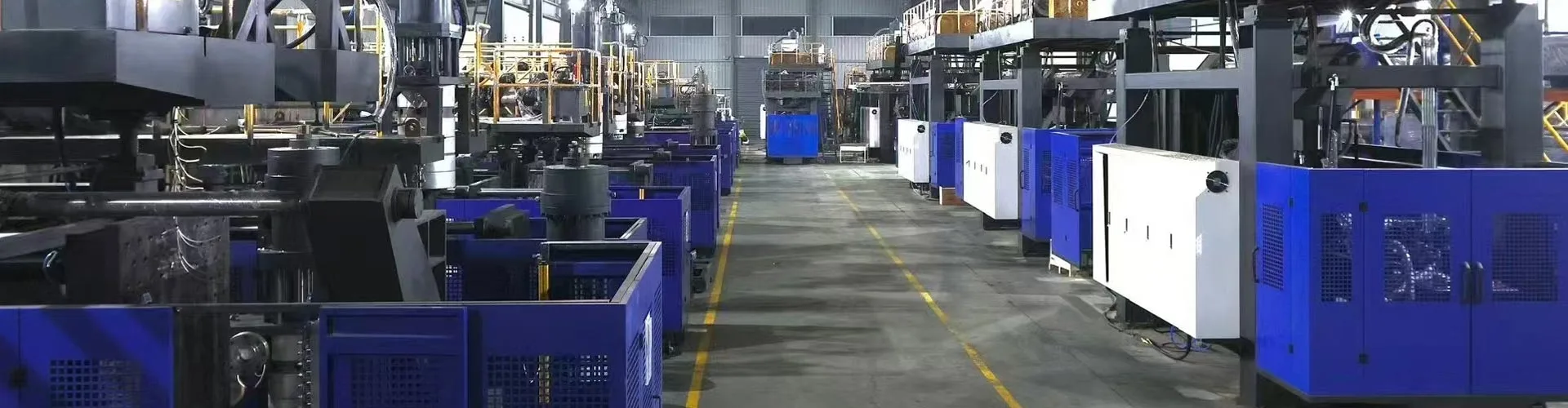
This FAT report says "passed." It proves almost nothing.
A blow molding machine factory acceptance test becomes useful only when every conclusion points back to an identified machine, product, method, limit and result.
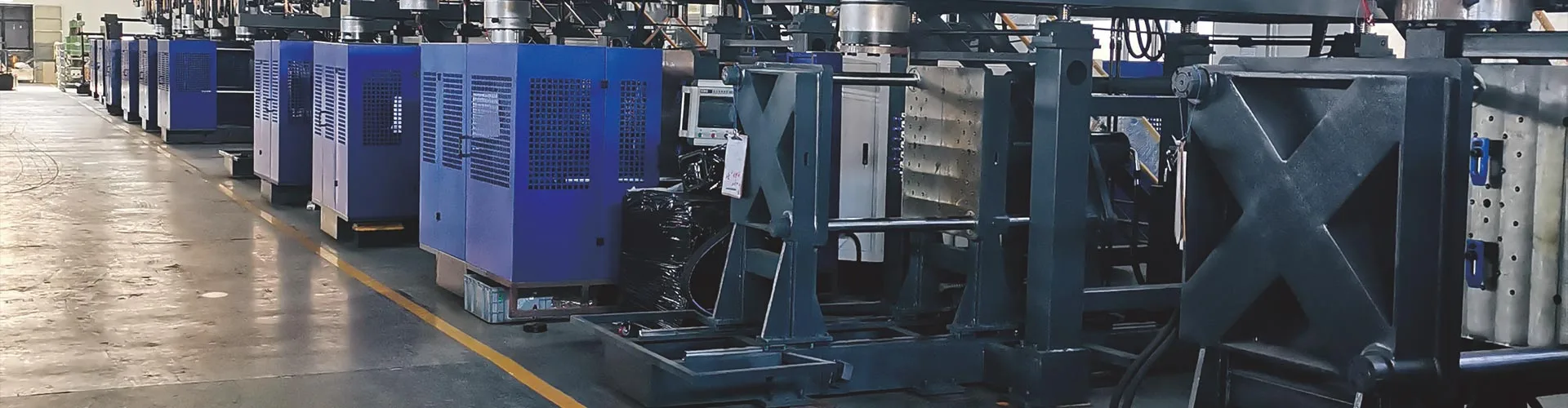
The machine cycles. Bottles come off the conveyor. The witness signs a page marked PASS. Everyone feels finished until the report reaches a project manager who was not in the room. Which resin grade ran? Which mold revision? How many bottles passed? What did "safety OK" actually test? The page cannot answer.
That is the difference between witnessing a blow molding machine trial and creating an acceptance record. A factory acceptance test, often shortened to FAT, should expose specification gaps before shipment and preserve enough context to explain the decision later. It is not a ceremonial run-off, and it is not proof of every future production condition.
Kinggle's current sales process says buyers are invited to participate in machine testing and that third-party inspection can be arranged when needed. Whoever witnesses the test still needs an agreed protocol. Presence does not replace evidence.
Factory Acceptance Test Report
5 L bottle, HDPE describes categories, not the bottle
Two nominally 5 L containers may have different weights, handles, neck finishes, pinch geometry, trim conditions and wall targets. Those differences change parison demand, cooling time and the meaning of an accepted part. "HDPE" is also a material family, not a grade code.
The test article needs a controlled part drawing and revision, finished condition, mold and die identifiers, resin supplier and grade, lot, color or additive package, and an agreed rule for regrind or recycled content. Utilities and material preparation also belong to the condition record. Without them, a good result cannot become a reproducible starting point at the buyer's plant.
The extrusion blow molding mold design guide explains why the mold, die head, trimming method and inspection datum should be approved as one system. Where wall distribution matters, the same drawing locations should appear in the parison programming and wall-thickness record.
Production trial used resin [supplier, full grade and lot] with [color, additive and regrind condition], mold [ID and revision], die and pin [ID], and part drawing [ID and revision]. Samples were evaluated in the agreed finished condition after [named downstream operations].
500 x 2 pc/h is not accepted bottle output
The example has copied a catalogue reference into the result column. Kinggle's current KGB5D page publishes several capacity-related values, but they do not measure the same thing.
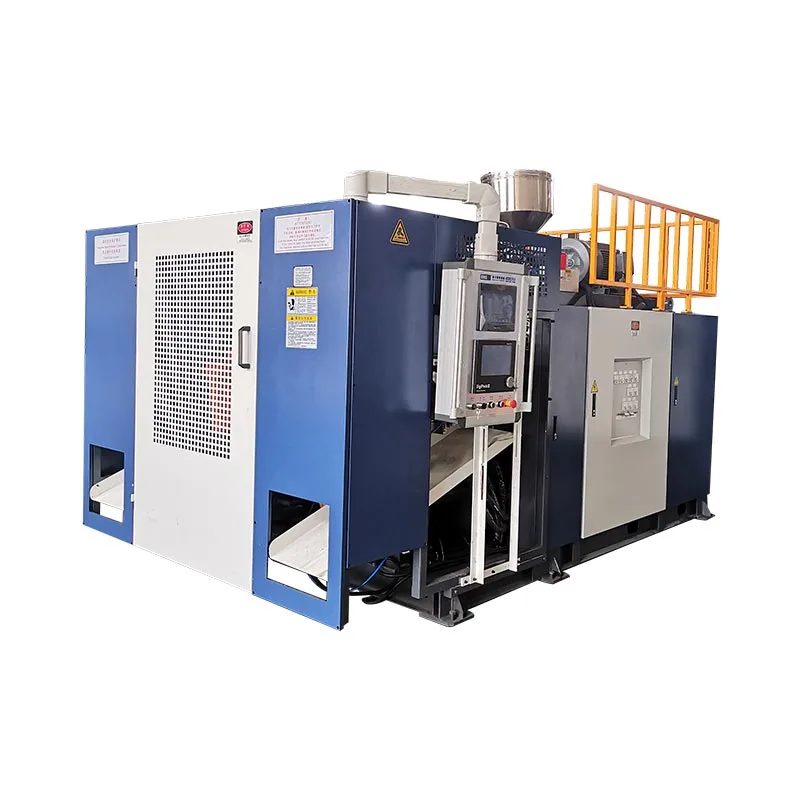
What the KGB5D page actually states
These first-party values are catalogue references. They are not a result for an unnamed bottle.
A dry mechanical cycle can test motion and sequence without resin. Melt capacity concerns polymer throughput under stated conditions. Accepted bottle output adds the actual mold, resin, cooling, trimming, inspection and rejects. Reporting one as another creates a false level of certainty.
The same separation matters when comparing single- and double-station machines or evaluating multi-head and multi-cavity arrangements. More motion or more outlets do not automatically produce more approved product.
Dry-cycle result: [events per hour] under [named sequence and inclusions]. Production-trial result: [accepted bottles] during [defined observed production time], using the controlled test article and acceptance methods recorded in this report.
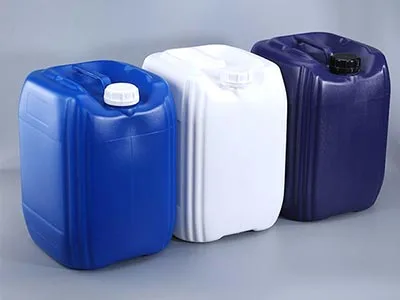
A mixed bin can show that acceptable bottles existed. It cannot reveal whether one station, head or time period caused the failures.
Quality: passed hides both the method and the misses
A quality conclusion needs a controlled limit and a traceable observation. Keep station, head or cavity, timestamp and sequence attached to each sample through weighing, wall measurement, dimensional checks and functional tests. For a two-station, two-outlet setup, mixing all bottles in one bin can erase the position pattern that would have located a tooling or process problem.
Record gauge identity, measurement method and the finished condition. A neck may look acceptable before trimming but fail a cap gauge afterward. A container may pass visual inspection and still leak at the pinch or finish. The inspection should follow the job the bottle must perform, not a generic list copied from another product.
When a defect appears, classify the evidence before changing several settings. The extrusion blow molding defects guide separates material, parison, mold, cooling and mechanical causes so a correction does not become guesswork.
Samples [ID range] were collected by [station/outlet] at [times]. Table [reference] records each measured value, method, gauge, acceptance limit and disposition. Rejects remain in the count and carry reason codes.
Safety: passed does not describe a function test
A label or declaration does not show how the machine responded when a protective device was actuated. The approved project safety plan should identify the initiating device, machine state, expected response, observed response and reset behavior. The record should also show which guards, interlocks, emergency stops and agreed fault conditions were actually tested.
ISO 12100 provides general principles for machinery risk assessment and risk reduction. IEC 60204-1:2016+A1:2021 addresses electrical, electronic and programmable electronic equipment of machines. These references help frame a review, but this article cannot determine the laws, standards or conformity procedures required at the destination. The buyer's responsible safety professional must define that scope.
Safety functions were tested against approved plan [ID and revision]. Record [reference] identifies every device, starting machine state, expected response, observed response and reset result. Untested integration and destination-site items are listed as SAT scope.
Run time: 1 hour has no meaning until the clock is defined
Was the hour measured from cold start, after stabilization, or only while automatic production continued? Did material replenishment, quality holds, manual interventions, trimming stops or alarm recovery count? A duration without start and stop rules lets two parties report different performance from the same run.
Keep molding events, gross parts and accepted parts as separate counters. Record rejects by reason and log stops with timestamps. A NIST paper on production KPIs treats availability, effectiveness and quality as separate measures, and notes that line throughput depends on equipment, buffers and their interactions. That distinction is useful here: a molding machine can continue cycling while a trimmer or leak tester limits accepted output. See the NIST publication.
Observed good output = accepted bottles / defined production time
State what the time basis includes. Do not silently remove stops, rejects or inspection holds from the denominator.
The required duration is project-specific. A short run can verify a narrow condition, but it cannot establish annual capacity or lifetime reliability. If material replenishment, scrap return, temperature stabilization or a shift change matters to acceptance, include it explicitly in the protocol.
The acceptance window ran from [timestamp] to [timestamp]. The agreed time basis includes [events] and excludes [events]. The event log records every stop, intervention, setting change and restart decision.
Rebuild the report around claims, not check marks
The repaired first page does not need to be long. It needs to point to evidence. Each acceptance claim should name its contractual source, test method, pass limit, actual result and supporting record. This matrix can then lead a reviewer to photographs, data tables, alarm logs, recipe backups, sample lists and signed deviations.
| Acceptance claim | Requirement and method | Actual result | Evidence reference | Disposition |
|---|---|---|---|---|
| Ordered build is present | Purchase specification and approved build list, both by revision | Identity and exceptions recorded | Nameplate photos, build walkdown, punch IDs | Pass, conditional or fail |
| Dry sequence is repeatable | Named automatic sequence, observation window and allowed interventions | Events, stops and observed responses | Cycle log, alarm export, video or witness record | State scope clearly |
| Controlled bottle meets limits | Part drawing, test method, gauges, sample plan and limits | Measured values and rejects, not only averages | Traceable sample table by position and time | Record every miss |
| Accepted output meets target | Agreed time basis and good-part definition | Gross count, accepted count and event log | Counter record, quality table, stop log | No catalogue substitution |
| Handover is reproducible | Required drawing, manual, software and recipe list | Files checked by revision and format | Document index and backup checksum or receipt | Open gaps become punch items |
This approach also changes how the team writes. "Stable operation observed" becomes a statement tied to a defined window and event log. "Bottle quality OK" becomes a sample range, method, limit and result. "Documents complete" becomes an indexed file list. Specific language makes disagreement easier to locate and closure easier to prove.
A signature should record a decision, not erase open work
At closeout, every unresolved issue needs an ID, requirement, owner, due date, correction, retest method and final disposition. A verbal promise is not closure. Neither is a signature on a report that hides the exceptions in email.
Every required criterion has acceptable evidence and no open item blocks shipment.
Bounded open items have owners, dates, closure evidence and written shipment authority.
A required result is outside its limit, missing, or cannot be tied to the tested configuration.
Shipment authority belongs in the contract, not in this article. The report's job is to make the basis visible. If the team chooses a conditional pass, the record should show who accepted the residual risk and exactly how each item will close.
FAT closes the factory question, not the site question
A factory test cannot verify the buyer's final foundation, power quality, plant cooling loop, compressed-air system, guarding integration, material logistics, downstream line or local operating procedure. Those conditions belong to installation and site acceptance testing, usually called SAT.
Carry the FAT evidence forward. The accepted recipe, drawing revisions, sample IDs, alarm record and punch-list status form the baseline for commissioning. Compare site utilities with the recorded factory conditions; Kinggle's blow molding machine utility requirements guide explains why pressure alone does not describe air, water or electrical capacity. The preventive maintenance guide can then convert the handed-over condition into routine checks.
Send the evidence brief before the witness date
For a useful equipment run-off test, send Kinggle the bottle drawing and revision, resin supplier and grade, mold and die details, finished-part tests, output definition, required run conditions, document list and witness authority. The project team can then align the machine trial with the product decision you actually need to make.
Discuss your FAT scope with KinggleAll bracketed fields and the opening report are templates or constructed teaching examples. They are not customer records, contractual limits or Kinggle performance results.
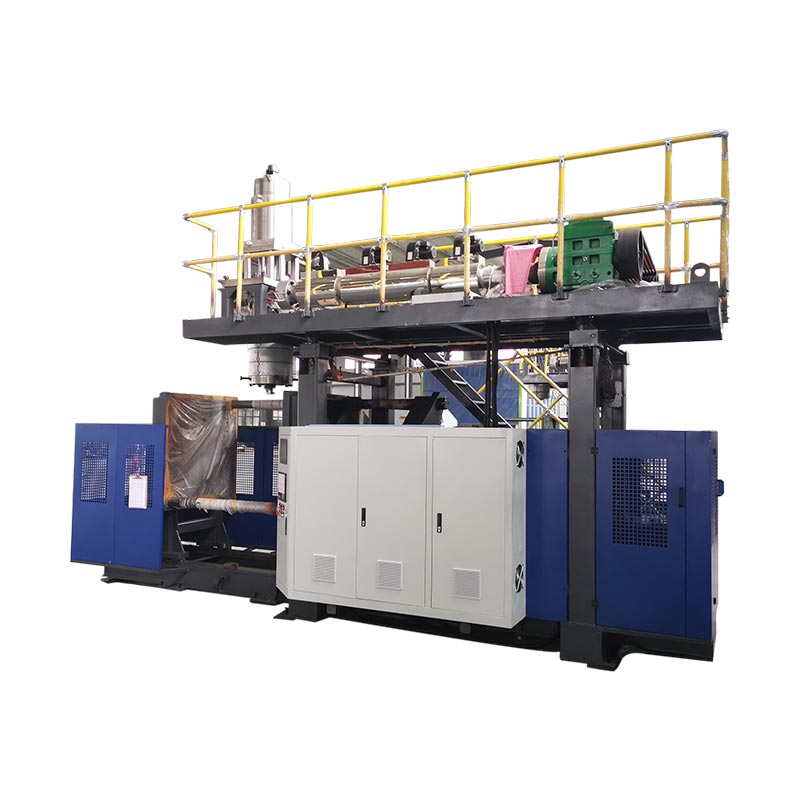
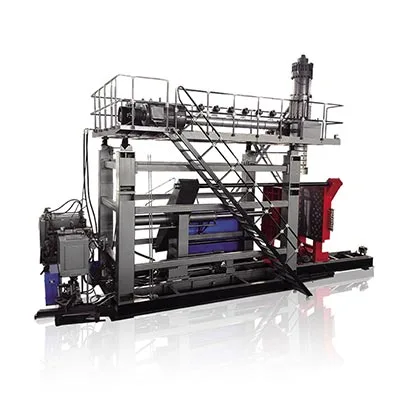
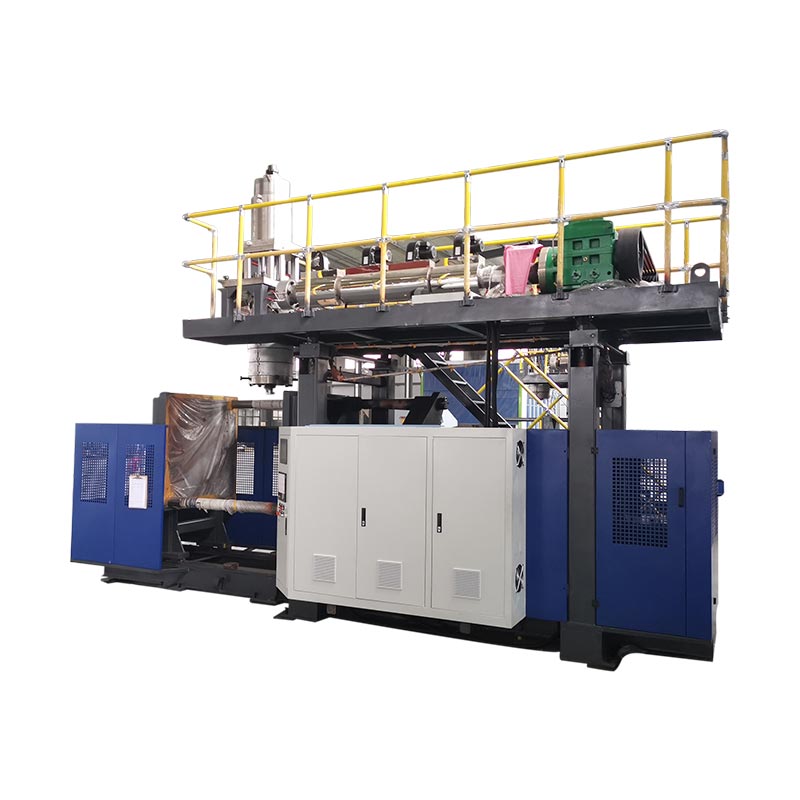
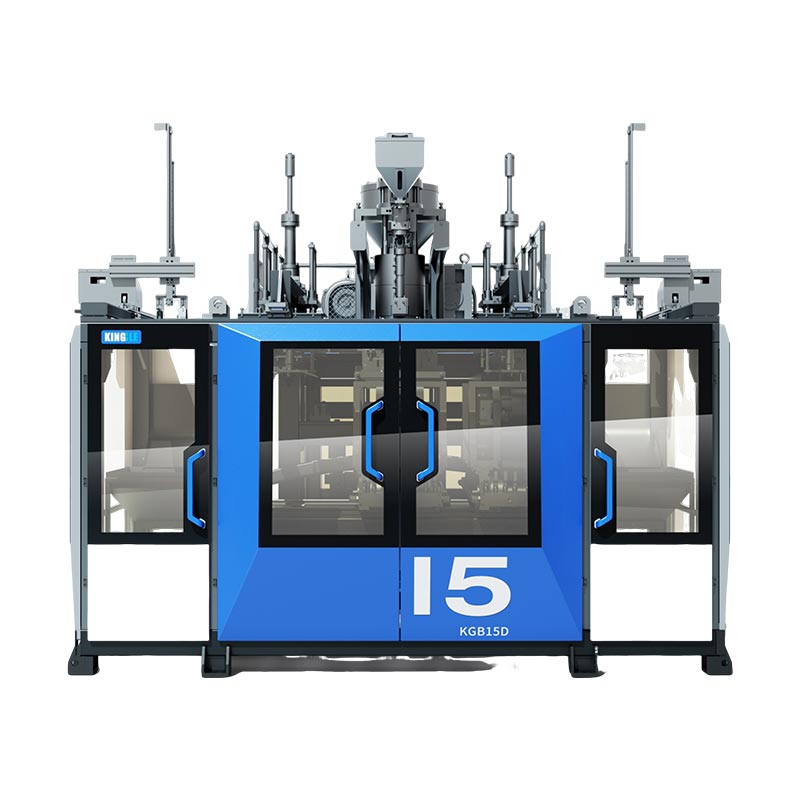
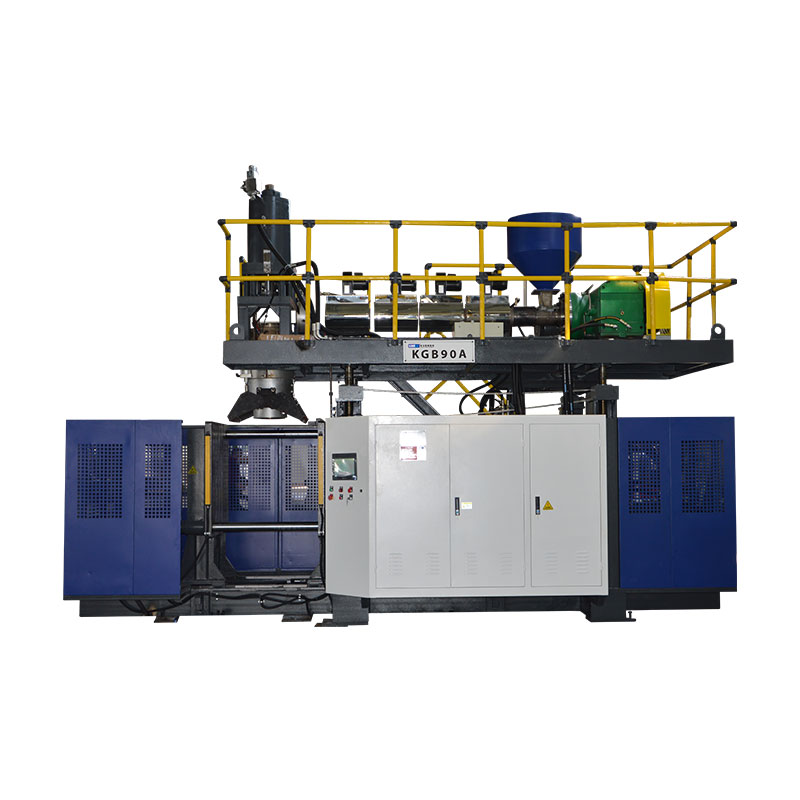
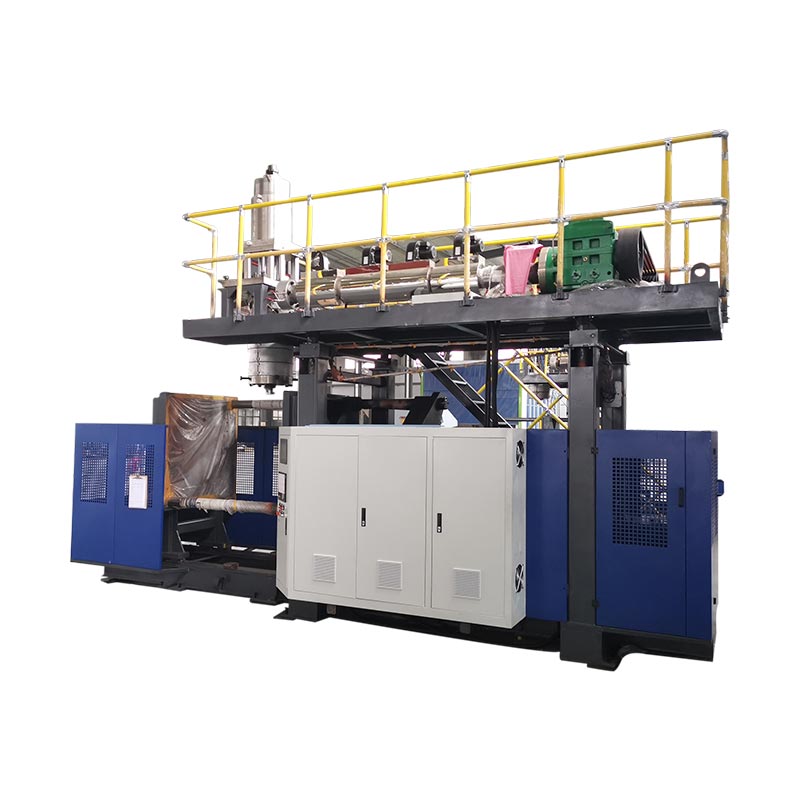
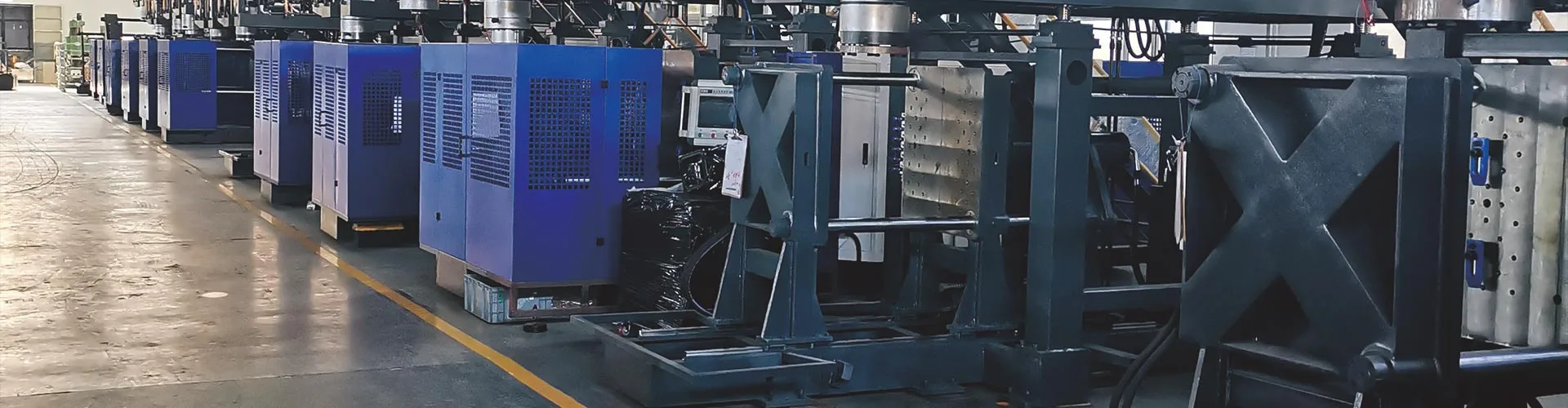
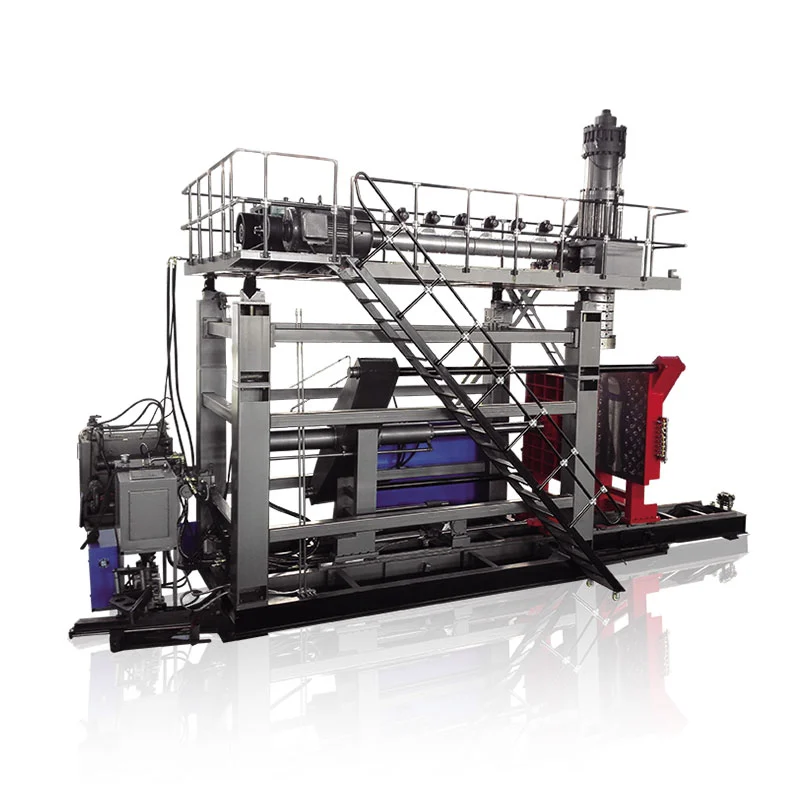
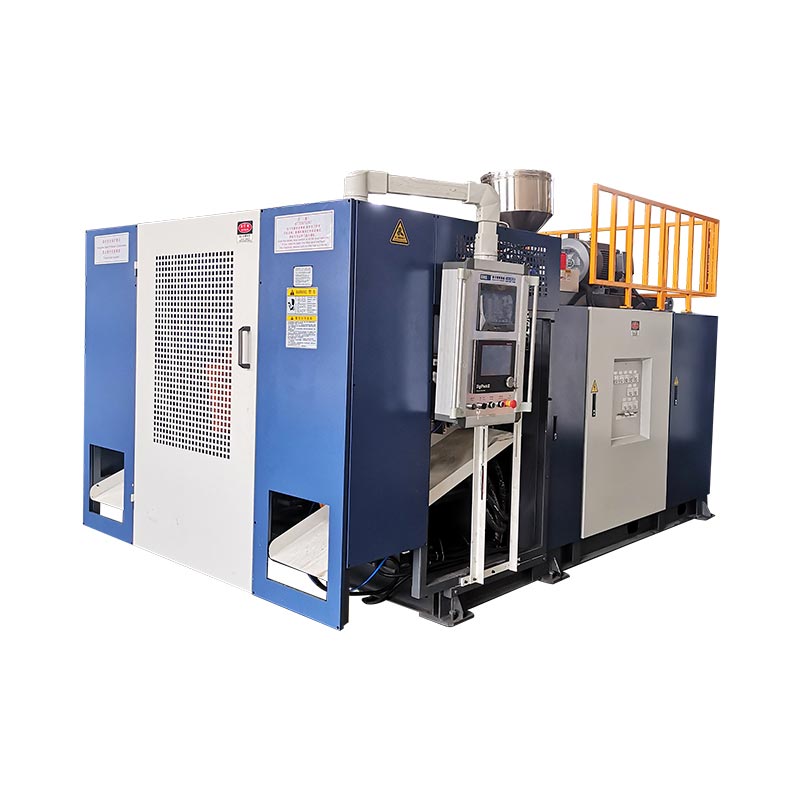

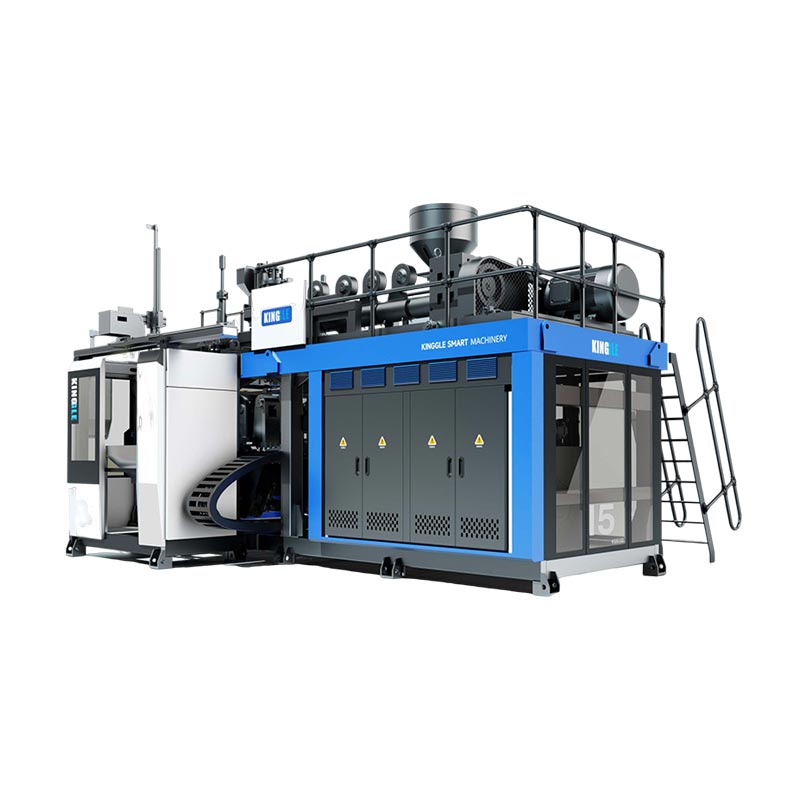
Machine: KGB5D is not a build identity
A model name places the equipment in a family. It does not show which serial build was inspected or which options, control version, tooling interfaces and downstream devices were present. A future technician must be able to match the report to the physical machine and to the ordered configuration.
Start with the machine nameplate and the approved build list. Record the serial identity, electrical basis, extruder and head configuration, clamping unit, station arrangement, included auxiliaries, software or recipe revision and drawing index. Photograph identifying plates and assemblies. If the quotation includes an automatic take-out or deflashing device but the FAT excludes it, make that boundary visible.
Configuration identity verified against purchase specification [document and revision]. Exceptions are listed in punch items [IDs]. Photographs [file references] show the tested nameplate, major assemblies and included downstream equipment.
The blank fields are deliberate. A report template should never invent an identity that belongs to the project file.