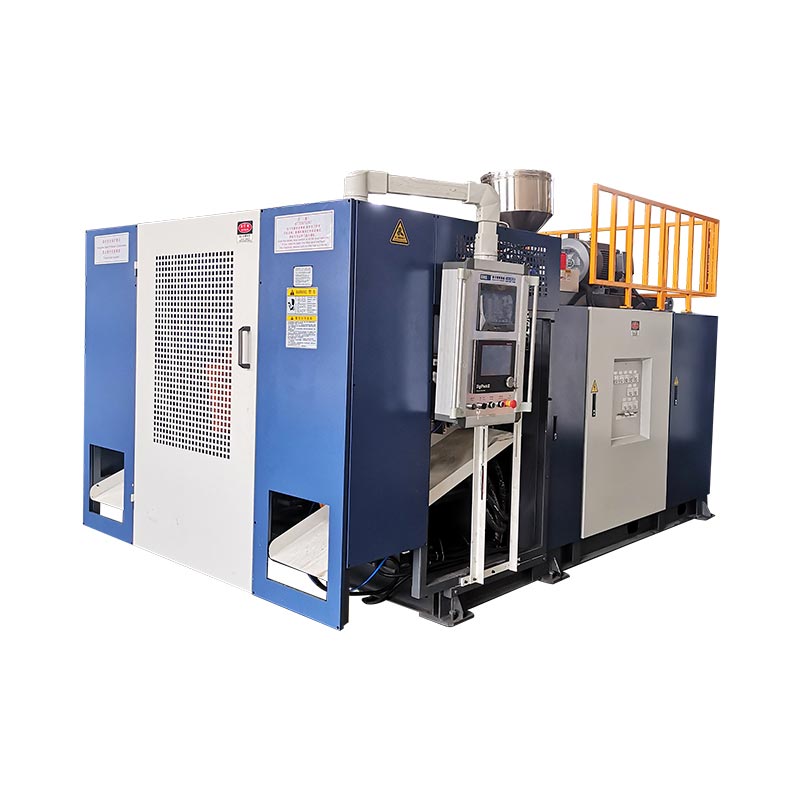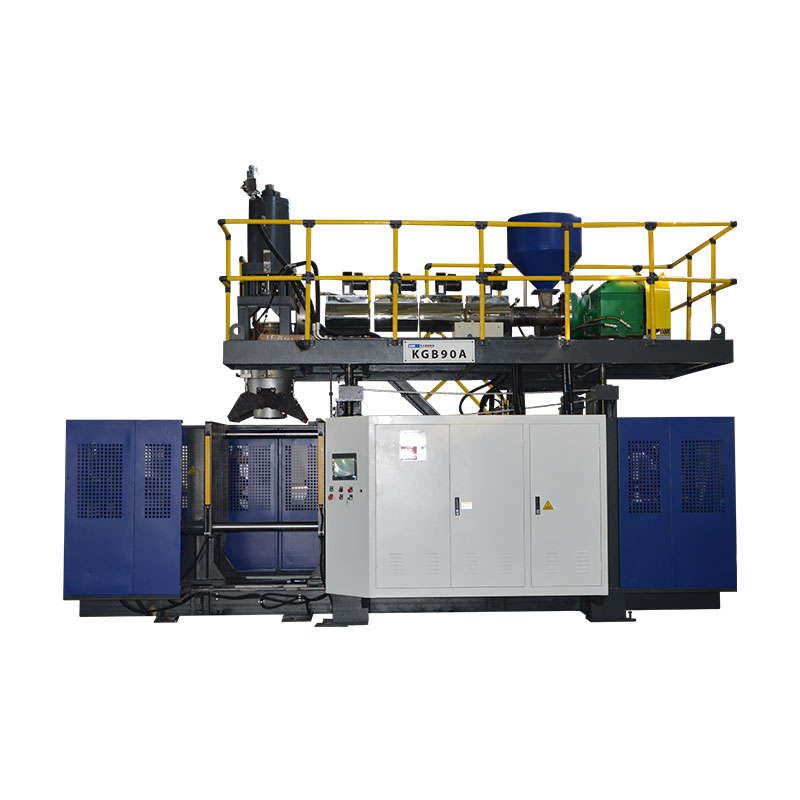
Preventive maintenance works when the factory combines inspections, measurements, cleaning, lubrication, calibration, planned replacement and clear fault records. A checklist should reveal change early, not simply collect signatures.
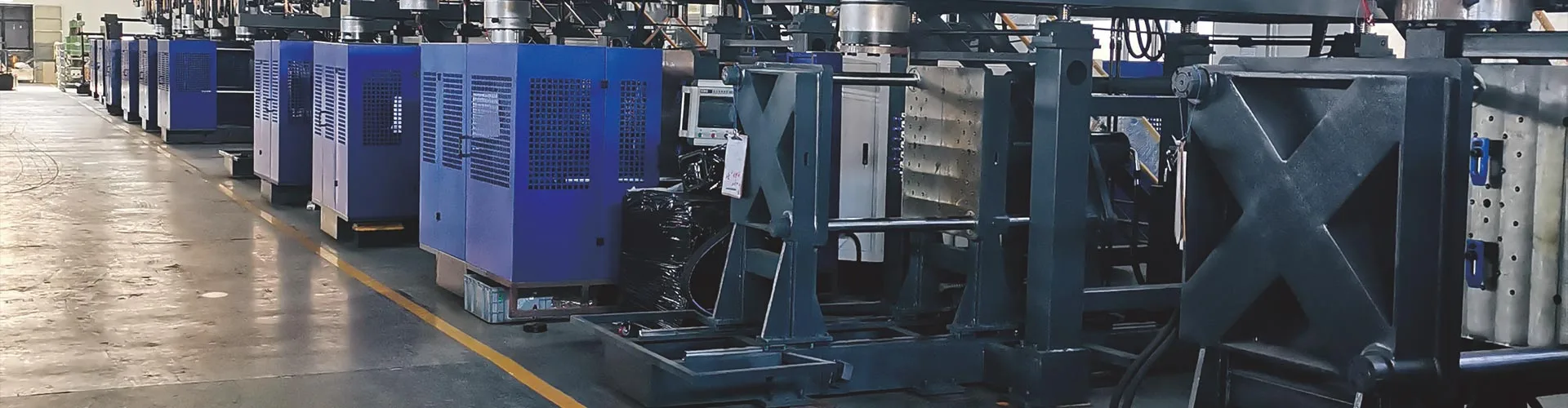
Safety comes before the checklist
A blow molding machine may contain electrical, hydraulic, pneumatic, thermal, gravity and mechanical energy after production stops. Stored pressure, a raised mechanism, a hot die head, or an energized heater circuit can remain hazardous even when the HMI shows “manual” or “stop.”
Never treat this article as a replacement for the machine manual, electrical drawing, hydraulic schematic, local regulation, risk assessment, or trained maintenance judgment.
Set frequency from risk, duty cycle and evidence
“Daily, weekly, monthly and quarterly” is a useful way to organize work, but it is not a universal service interval. A machine running abrasive material around the clock needs different attention from one running clean HDPE on a single shift.
Start with the supplied maintenance manual. Then adjust using operating hours, resin and additives, ambient dust and temperature, oil analysis, filter indicators, water quality, leak history, alarm frequency, part-quality trends and previous inspections. Kinggle's current after-sales page describes a quarterly maintenance program; the exact work package should still be agreed for the installed machine.
| Planning layer | Purpose | Typical evidence |
|---|---|---|
| Each shift / routine observation | Find visible or audible changes before production is affected | Leak check, temperatures, pressures, sounds, guards, alarms, part trend |
| Short planned interval | Clean, inspect and lubricate accessible points | Filter indicators, water circuits, fasteners, hoses, cables, lubrication records |
| Condition-based work | Respond to measured deterioration | Oil analysis, temperature trend, pressure loss, repeatability, vibration or current trend |
| Planned shutdown | Access components that cannot be safely inspected during production | Tooling, heater circuits, cabinet, valves, cylinders, alignment, wear parts |
| Post-repair verification | Prove that the repair restored function without creating another fault | Manual checks, alarms, dry cycle, product run and measured acceptance result |
Routine blow molding machine inspection checklist
Safety and machine condition
- Check guards, doors, interlocks, emergency stops and warning devices according to the approved test procedure.
- Look for loose items, damaged steps, blocked access, exposed cables, worn hoses and contact with moving or hot parts.
- Check the alarm history before clearing messages. Record recurring alarms and the cycle step where they occur.
Hydraulic system
- Inspect oil level, temperature, color, odor, leakage and filter condition without opening a pressurized system.
- Look for hose abrasion, damaged fittings, cylinder leakage and irregular movement.
- Compare pressure, temperature and cycle behavior with the accepted baseline.
- Keep oil clean when topping up or changing components. Use the specified oil and filtration method.
Pneumatic and blow-air system
- Verify pressure at the machine under production demand, not only at the compressor.
- Drain and inspect air-treatment equipment according to its documentation.
- Listen for leaks and check tubing, valves, cylinders and blow-pin movement.
- Investigate pressure drops before compensating with longer blow time.
Cooling-water circuits
- Record supply and return temperature and pressure at stable production.
- Inspect hoses, manifolds, flow indicators, strainers, mold connections and the oil cooler.
- Check for scale, corrosion, contamination, condensation and blocked circuits.
- Compare part cooling and oil temperature with the normal baseline.
Extruder, heaters and die head
- Compare temperature set values with actual values and output status.
- Inspect heater bands, thermocouple wiring, fan operation and visible insulation condition when safely accessible.
- Watch for unstable extrusion, contamination, unusual motor load, material leakage or changing parison behavior.
- Follow the approved shutdown and cleaning procedure; do not strike precision tooling or introduce unapproved tools.
Clamping, mold and parison tooling
- Inspect platens, tie rods or clamping mechanism, mold fasteners, pins, bushings and lubrication points.
- Check mold alignment, pinch-off condition, vents, cooling connections and flash pattern.
- Track die centering and wall-thickness repeatability. Use the parison control guide to separate profile issues from mechanical causes.
Electrical and control system
- Keep cabinets closed, clean and cooled as specified. Inspect only under the required electrical safety procedure.
- Review drive and PLC alarms, fan or filter condition, loose-device evidence and abnormal heat or odor.
- Check sensor mounting, targets, connectors and cable routing.
- Back up approved recipes and controller files after documented changes.
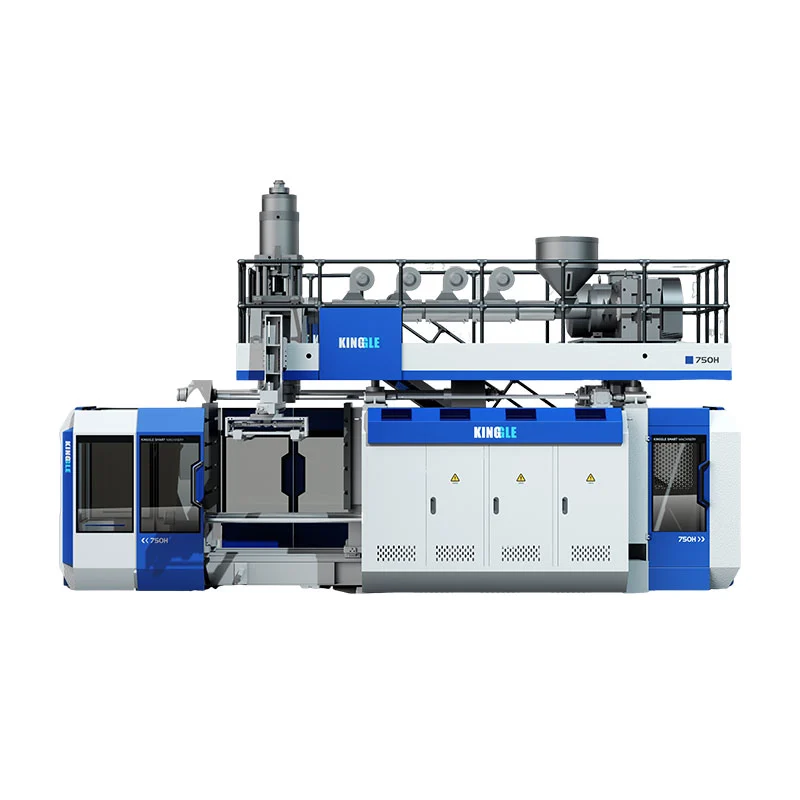
Use planned shutdowns for work that production checks cannot cover
A planned shutdown is the time to inspect guarded areas, verify fasteners, clean heat exchangers, inspect filters, check electrical connections under the correct procedure, service lubrication points, assess tooling wear, verify sensor calibration, and replace parts based on condition or the approved interval.
Group work by access and energy state. If several tasks need the same guard removal or platform, coordinate them under one controlled work package. Record every removed part, temporary jumper, disconnected sensor and changed parameter so restoration is complete.
After work, inspect the area, restore guards, account for tools, verify isolation-device removal under procedure, and notify affected personnel. Start with a controlled manual check. Then observe a dry cycle if appropriate, followed by a monitored product run.
The factory view: record values that show change
“Checked—OK” has limited diagnostic value. Useful records contain a number, observation, location or clear pass/fail criterion. Examples include oil temperature at stable production, water supply and return temperatures, machine-inlet air pressure during blowing, recurring alarm count, part weight, cycle time, minimum wall location and filter indicator state.
Connect maintenance and quality records. A slow rise in oil temperature may appear beside longer cycle time. Die-center drift may appear beside a one-sided wall-thickness change. Repeated temperature alarms may appear before a heater circuit fails completely. The HMI and alarm guide explains how to preserve the first useful clue.
Build the spare-parts plan from downtime risk
Classify parts by failure consequence, replacement time, supplier lead time, shelf life, storage requirements and whether substitution needs engineering approval. A low-cost sensor can stop a line; a large component may be expensive but predictable and serviceable.
Keep the machine serial number, drawings, controller backups and exact part identification with the spare record. Store seals, electronics, heaters, sensors, filters and lubricants under suitable conditions. Do not assume that a visually similar valve, drive or sensor has the same function, rating or configuration.
When requesting support, send the machine identity, part label, alarm history, photos, measurements and the event sequence. Use Kinggle's contact form for machine-specific assistance.
Frequently asked questions
How often should a blow molding machine be maintained?
Use the machine manual as the baseline, then adjust the plan for operating hours, material, environment, oil and water condition, alarm history, measured wear and production risk.
What should operators check every shift?
Operators should follow the approved checklist for guards, leaks, temperatures, pressures, cooling, lubrication status, unusual sound or movement, alarms and product-quality trends.
Can maintenance be performed when the HMI is in stop mode?
Stop mode alone is not energy isolation. Apply the plant's machine-specific energy-control procedure before servicing or entering a hazardous area.
Which maintenance records are most useful?
Machine identity, operating hours, measured temperatures and pressures, alarm history, observed condition, part-quality trends, work performed, replaced parts and post-repair verification are useful records.
Why do the same alarms return after a reset?
A reset clears the message but does not repair the cause. Record the first alarm, cycle step and relevant inputs, then inspect the related process, sensor, actuator, utility or sequence condition.