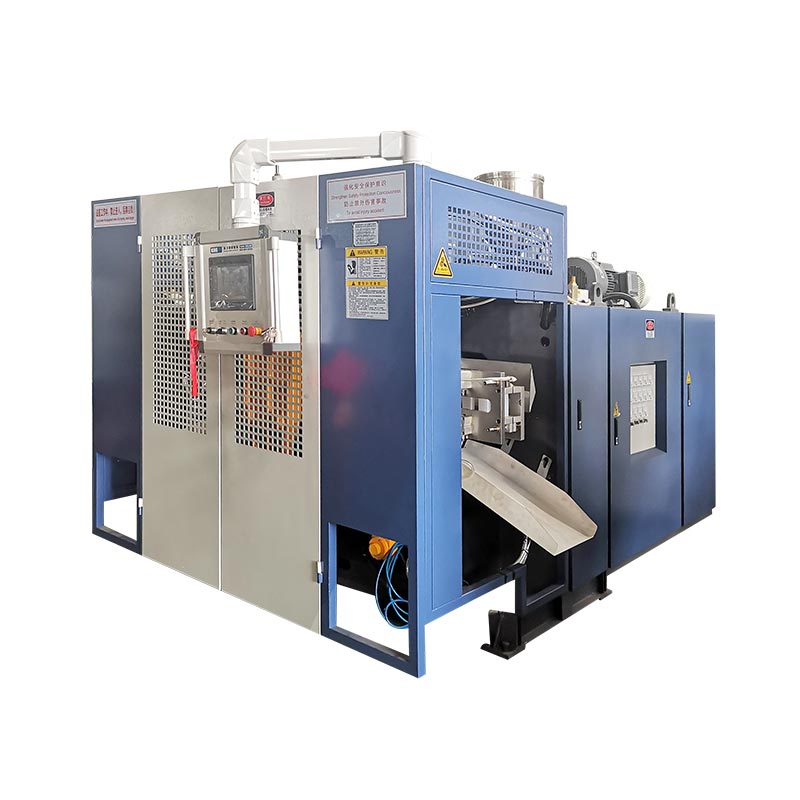
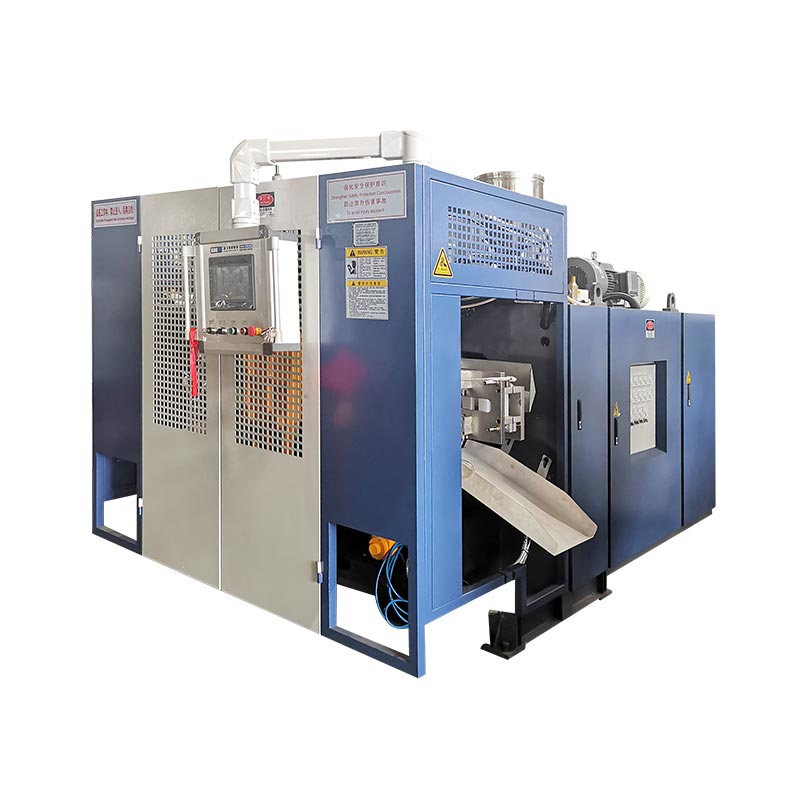
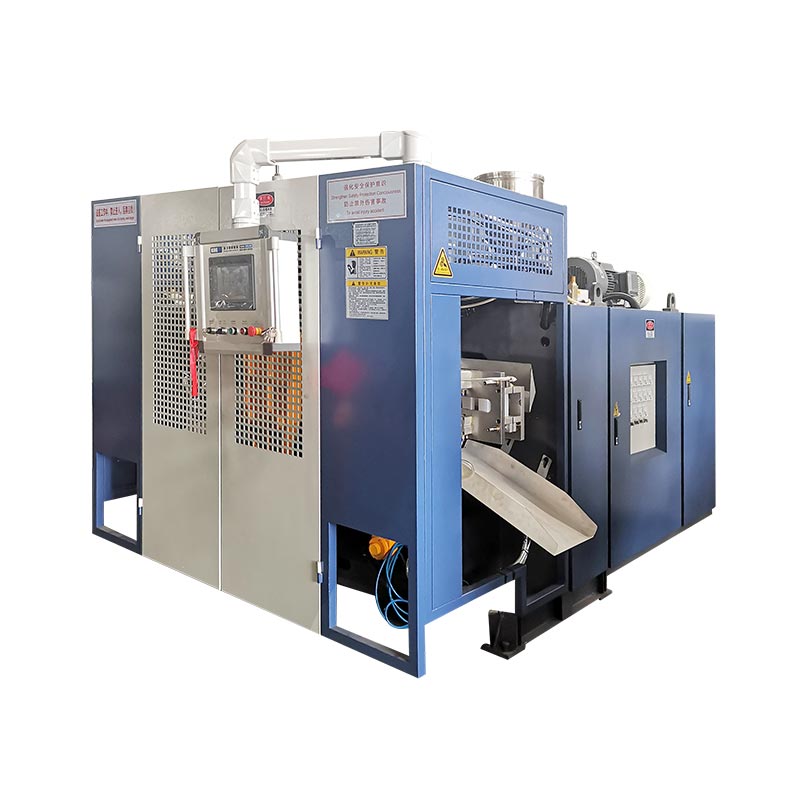
Plastic bottle leak testing checks a defined container or package against an agreed leakage criterion. Select the method for the actual bottle, validate the test conditions and fixture, then verify detection and reject handling. An empty-bottle pass does not, by itself, verify the final cap seal or distribution performance.
Four decisions before approving inspection
- Define whether the test covers the empty bottle or the closed package.
- Keep the acceptance limit with its test conditions and units.
- Challenge the system with independently characterized samples.
- Confirm that failed and untested bottles cannot enter the accepted stream unnoticed.
Where does leak testing fit in the blow molding process?
In an extrusion blow molding process, the bottle is formed, cooled, released and finished before it reaches the agreed inspection point. Choose that point around the operations being verified. A test before trimming cannot establish that the bottle remains undamaged after trimming. Handling after inspection deserves the same review.
Blow molded bottles and containers: define the inspection boundary
For blow molded containers, an empty-bottle test seals the opening with a test fixture. The actual closure may use a different contact surface or sealing arrangement. Identify which neck features the fixture evaluates and which it bypasses. The bottle drawing, closure drawing and fixture geometry should describe the same inspection task.
A closed-package test includes the specified closure and assembly condition. Distribution validation adds its own loading and conditioning requirements. Keep those conclusions separate: a result obtained at one boundary should not silently become evidence for another.
Keep leakage, dimensions and strength as separate requirements
A bottle can satisfy a leakage criterion while failing a dimensional or strength requirement. Conversely, a satisfactory weight or wall measurement does not establish a leakage result. Specify the checks required by the product rather than treating one instrument as a complete quality system.
For wall distribution, use the parison programming and wall-thickness control guide. When the complaint concerns forming, trimming or the neck itself, retain the failed sample for a separate process investigation. Inspection identifies a nonconforming response; finding its cause requires additional evidence.
Bottle leak testing methods: compare the options for the actual container
Compare methods against the package and failure that matter, not a sensitivity figure detached from its test conditions. A useful comparison states what is sealed, where pressure is measured, how the container is supported and which defects the trial must distinguish.
Pressure decay for suitable empty-container applications
Pressure-decay testing observes pressure change after a defined positive-pressure condition has been established. The supplier must explain how the test separates leakage from other changes in the test arrangement. Filling, stabilization and measurement are distinct parts of the sequence, even when the controller presents them as one program.
ASTM E2930-26 describes a pressure-decay practice using measured pressure, temperature and time to determine mass loss. Its published scope explicitly excludes deformable vessels. That restriction does not establish that pressure-based inspection is impossible for a flexible bottle; it means the standard cannot automatically be claimed for that application.
For a thin or flexible HDPE bottle, request application-specific evidence from the selected inspection system. The fixture, bottle response and validated decision rule belong in that evidence. Do not transfer a pressure-to-leakage calculation from a different container without reviewing its assumptions.
Vacuum decay needs a defined chamber and package arrangement
ASTM F2338-24 describes vacuum-decay detection in an evacuated chamber containing the package. Gas or vapor escaping from the package contributes to a pressure rise in the chamber. This arrangement differs from simply evacuating the inside of an open bottle.
The published method covers several package types, but its reported sensitivities come from specified product-package studies. Those figures are not universal detection limits for another HDPE bottle, closure or fixture. Evaluate the actual configuration before selecting a limit.
| Approach | What is evaluated | What needs confirmation |
|---|---|---|
| Positive-pressure decay | Pressure response of the sealed test volume over a defined interval | Bottle deformation, temperature condition, fixture sealing and the validated decision rule |
| Chamber vacuum decay | Chamber pressure response with the specified package inside | Package preparation, fixture/chamber arrangement and demonstrated detection performance |
| Offline closed-package evaluation | The specified bottle-and-closure system under its defined procedure | Closure application, conditioning, loading and the exact conclusion the procedure supports |
Offline package tests answer a different question
Some requirements concern liquid leakage from the finished container-and-closure system under distribution conditions. For example, ASTM D5094/D5094M-24 addresses gross liquid leakage for specified threaded or lug-style closures on rigid and semi-rigid containers up to 4 L. Its scope also identifies limitations for hazardous-material transport.
Use such a procedure only within its applicable scope. It is not a default online test recipe for every bottle or a substitute for all other distribution requirements.
Define the test limits before setting the recipe
Start with the failure the package must resist and the evidence required for acceptance. Then agree how the inspection system will identify an unacceptable response. A supplier's smallest advertised hole size cannot define the complete requirement without its package, test arrangement and operating conditions.
Keep the reported quantity with its conditions
A pressure-drop limit and a volumetric leak rate are different reported quantities. Record what the instrument actually measures and the basis for any conversion. Preserve the units, reference conditions and measurement interval with the limit. A number copied from another recipe is incomplete without that context.
A displayed zero also needs interpretation within the instrument's resolution and decision rule. It should not be rewritten as proof of absolutely zero leakage under every condition. State the defined acceptance criterion and retain the result that was actually obtained.
| Field | Define it for the actual application |
|---|---|
| Product identity | Bottle and closure revisions, resin grade and relevant geometry or weight range |
| Inspection boundary | Empty bottle or closed package; evaluated surface and fixture contact |
| Result and limit | Measured quantity, units, acceptance rule and treatment of invalid results |
| Loading and timing | Pressure/vacuum condition, fill or evacuation stage, stabilization and measurement interval |
| Sample condition | Temperature condition, time from molding and relevant conditioning or handling |
| Equipment identity | Tester, test head, fixture, seal, program revision and reference-check status |
| Verification and disposition | Sample set, checks, retest rule, reject confirmation and release responsibility |
Resolve the fixture boundary before approving the limit
Ask whether the sealing head contacts the feature that matters in service. Check whether its contact could cover an opening that the test is supposed to reveal. Review variation in bottle height and neck presentation with the fixture supplier rather than compensating for poor seating by changing the rejection limit.
The approved program should travel with its matching change parts. A saved recipe does not establish that the correct seal or neck tool has been installed. Treat the program, fixture and product definition as one controlled setup.
Why do good bottles fail while defective bottles pass?
We recommend preserving the evidence before changing either the molding recipe or the rejection limit. Label the bottle, record its cavity and test-head identity, and retain the original result. A failed reading starts an investigation; it does not identify the faulty component.
Preserve the changeover evidence
For a rejection spike after a bottle changeover, check the test arrangement before making a process correction. Confirm the selected program, neck tooling, seal condition and bottle presentation against the approved setup. Then compare independently characterized acceptable and defective samples under the same inspection conditions.
The comparison needs a defined sample temperature and time from molding to testing. Pressure change cannot be interpreted independently of the model and conditions behind the measurement. A warm bottle tested immediately after trimming should not be compared casually with a reference that has cooled beside the machine. Keep those conditions in the record.
Separate a fixture finding from a process finding
If the evidence points to the fixture, address that finding rather than compensate with a looser limit. If the tester performs correctly with verified samples, trace the rejected containers back to their molding, trimming and handling records. Change only an authorized variable that the evidence supports, then repeat the relevant checks.
A pattern limited to one test head gives the investigation a useful starting point. So does a pattern associated with one mold cavity. Neither establishes the cause alone. Bottle routing may associate a particular cavity with a particular head; preserve both identities before deciding which side of the interface to adjust.
We also recommend separating detection from rejection verification. A correct fail signal is insufficient if the wrong bottle is removed or a rejected bottle returns to the accepted stream. Include tracking, physical removal and fault recovery in the verification plan. Keep the revised setup and results together so another shift can repeat the checks.
Use authorized access and isolation procedures for servicing. OSHA's hazardous-energy guidance addresses unexpected startup and stored-energy release. An inspection problem does not justify reaching into moving equipment or improvising access to pressurized components.
Validate detection with known-good and known-defect samples
The expected result must come from evidence independent of the test being evaluated. Otherwise, calling a bottle "good" because the same tester passed it creates a circular check. Give each verification sample an identity and record how its acceptable or defective condition was established.
ASTM F2338-24 illustrates this principle for its vacuum-decay method: acceptance criteria compare baseline measurements from non-leaking packages with leaking packages and simulated leaks introduced using a calibrated flow meter. A reference check and a package challenge contribute different evidence; neither should be silently substituted for the other.
| Sample or check | Independent basis | What to record |
|---|---|---|
| Acceptable container | Established against the agreed product and reference procedure | Sample ID, condition, presentations, results and any false rejection |
| Relevant physical defect | Defect identity, location and characterization documented | Expected failure, actual decision, head identity and reject confirmation |
| Near-limit case | Characterized relative to the agreed decision criterion | Variation, decision consistency and required follow-up |
| Instrument reference | Applicable reference identity and verification status | Instrument response and result under its prescribed check |
Count presentations as well as physical samples
Repeated presentations of one sample help examine repeatability, but they are not additional independent bottles. Record the number of samples and the number of presentations separately. Include the relevant test heads, formats and normal production conditions in the agreed plan.
Keep false acceptance and false rejection distinct. A defective challenge sample accepted by the system is a different finding from an acceptable sample rejected by it. Report each against the appropriate challenge group. Do not combine them with the ordinary production reject rate and call the total inspection accuracy.
Set the retest rule before a failed result occurs
Define who can authorize retesting, which procedure applies and what happens to the original result. Repeating a test until a pass appears is not a release rule. An unresolved failure needs controlled disposition, including the affected production range where the quality plan requires it.
A challenge set with no observed misses remains a result for that set and those conditions. Continued verification, sample condition and relevant changes to fixtures or programs still belong in the inspection plan.
Choose an inline bottle leak testing system for the production line
The best fit is the system that meets the actual inspection requirement at the required incoming rate and handling condition. Start with the bottle, then assess test positions and transfer. A fast controller cannot compensate for a fixture that seats inconsistently or a reject mechanism that loses product identity.
Count the complete test sequence
Include loading, sealing, filling or evacuation, stabilization, measurement, release and unloading. Identify which events can overlap and which share a resource. A quoted measurement interval alone is not the station's complete cycle time. The automatic production-line configuration guide connects these checks with trimming, transfer and packing.
Planning example: an eight-second tester on a 600-bottle/hour line
Assume a 1 L HDPE bottle line delivers 600 containers per hour to inspection. Also assume a single test position needs eight seconds for its complete sequence, including loading and unloading.
Single-position theoretical capacity = 3,600 s/h ÷ 8 s/bottle = 450 bottles/h
The assumed station is short by 150 bottles per hour, even before interruptions. A buffer can absorb a temporary surge; it cannot eliminate this sustained mismatch.
If two independent positions complete the same eight-second sequence in parallel, with no shared handling or pneumatic bottleneck, their combined theoretical capacity becomes 900 bottles per hour. That calculation supports evaluating a parallel arrangement while retaining the inspection conditions. It does not establish actual accepted output.
Approve the selected arrangement only after the installed system demonstrates the required discrimination, transfer and reject handling with the actual containers. The figures above are planning assumptions, not a Kinggle production result.
Confirm the physical route of each result
A fail indication needs to remain associated with the correct bottle until disposition is complete. Define product tracking, reject actuation and confirmation. An untested bottle or an invalid result needs its own controlled route; neither should become a pass simply because the conveyor continues running.
Challenge the specified response to missing bottles, failed seating, supply disturbances, reject faults, a full reject bin and line stops. Agree how affected product is identified and contained. Fault recovery must preserve the distinction between accepted, rejected and unresolved bottles.
Use inspection records for blow molding quality control
Connect results to time, bottle format, cavity, test head and recipe revision where the system supports those fields. Add material-lot and relevant process records when investigating a change. This makes inspection useful to blow molding process control without treating a result pattern as a diagnosis.
Also inspect the handling path for damage introduced by guides, transfer or rejection. Inline packaging inspection can screen for a defined failure; reducing the formation of that failure requires correction and verification upstream. Keep detection performance and defect-reduction claims as separate results.
Specify and accept the leak-testing scope with the molding line
A request for "automatic leak testing" leaves the main acceptance decisions unresolved. Give suppliers the same bottle definition, inspection boundary, sample condition and required output. Include the product mix and changeovers so the proposal covers normal production rather than one uninterrupted demonstration.
| Buyer input | Supplier response to obtain |
|---|---|
| Bottle, neck and closure drawings; material and product range | Inspection boundary, fixture arrangement and required change parts |
| Defined failure, samples and acceptance requirement | Proposed method, decision rule and application-verification plan |
| Incoming rate, spacing, orientation and container condition | Complete cycle basis, transfer arrangement and supported operating conditions |
| Reject, invalid-result and recovery requirements | Tracking, confirmation, containment and interface responsibilities |
| Record, changeover and release requirements | Program control, retained results, acceptance evidence and handover scope |
Two Kinggle bottle-machine references
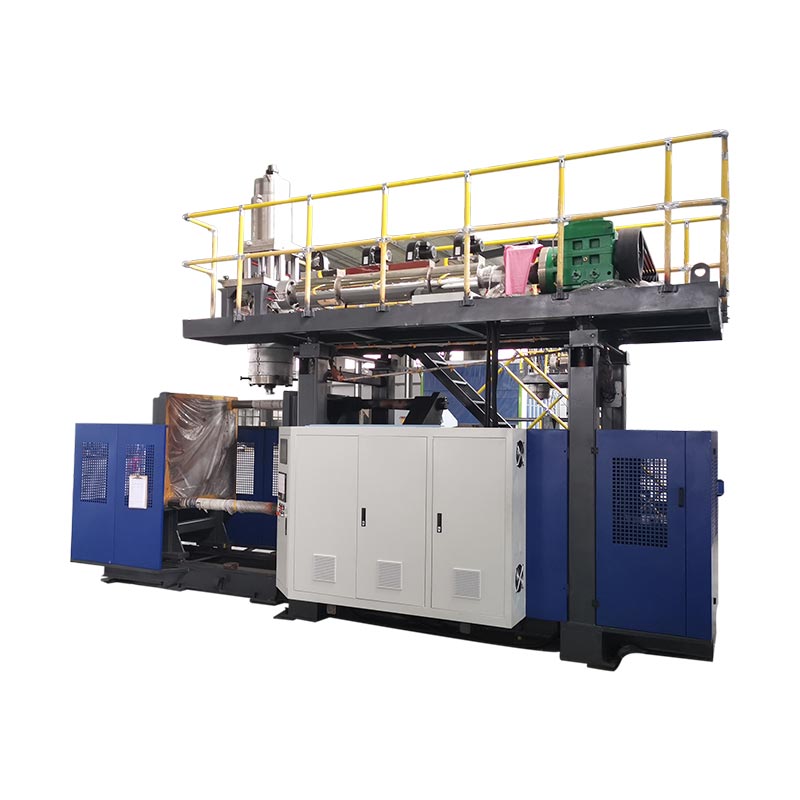
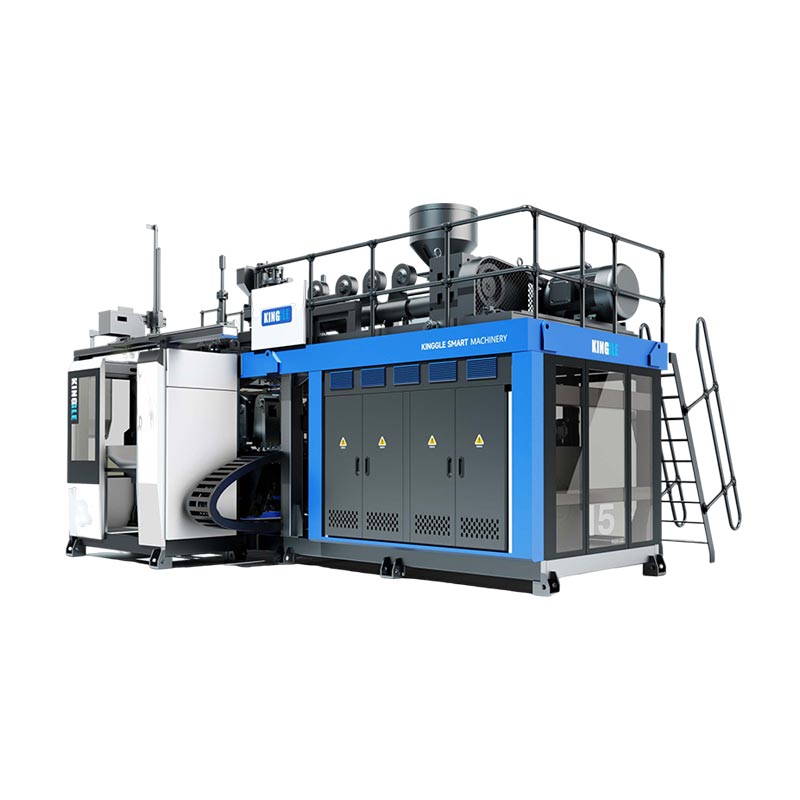
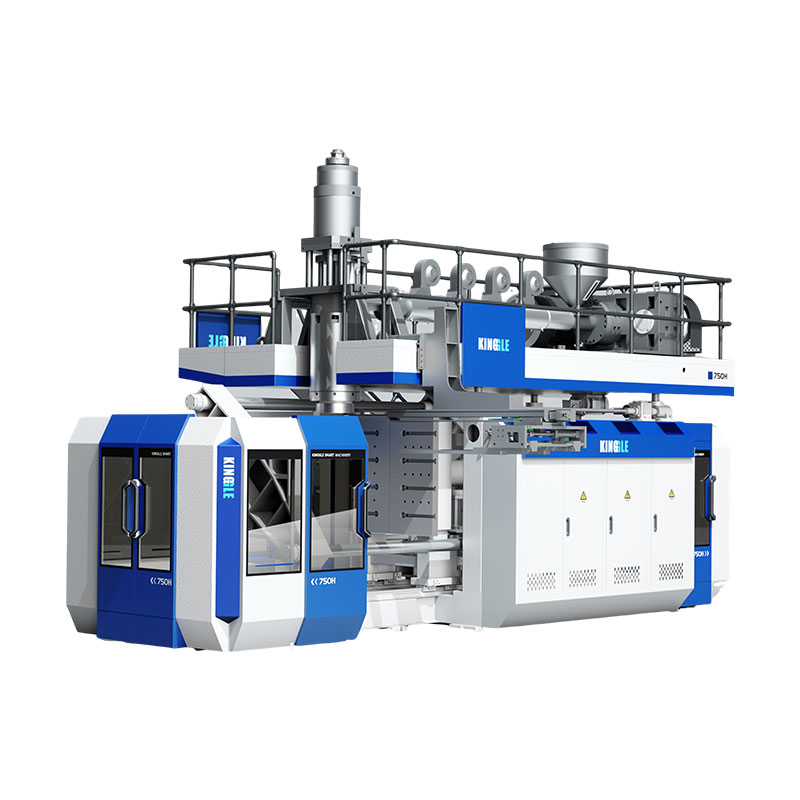
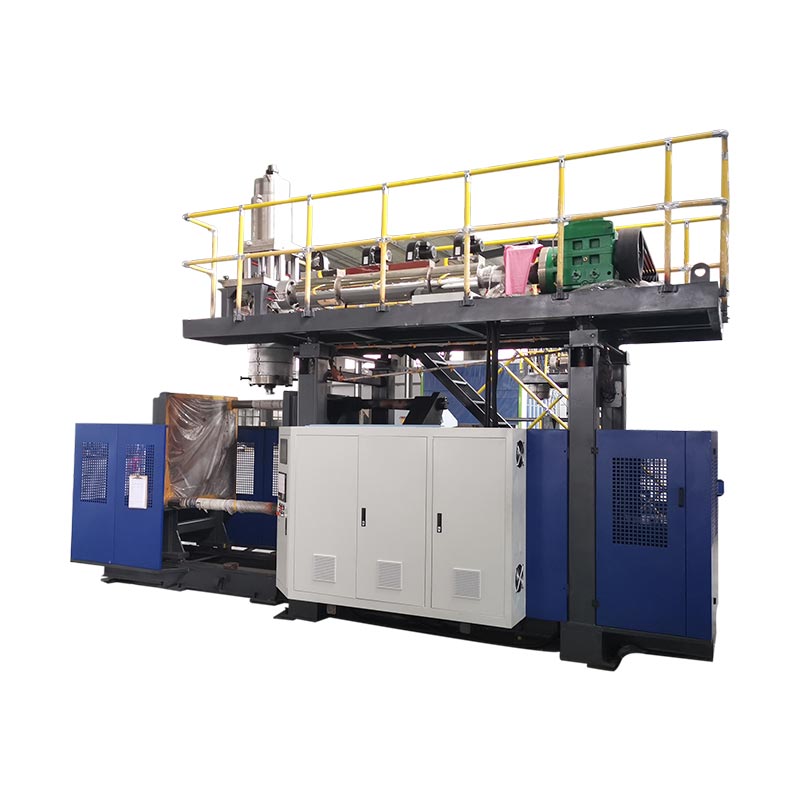
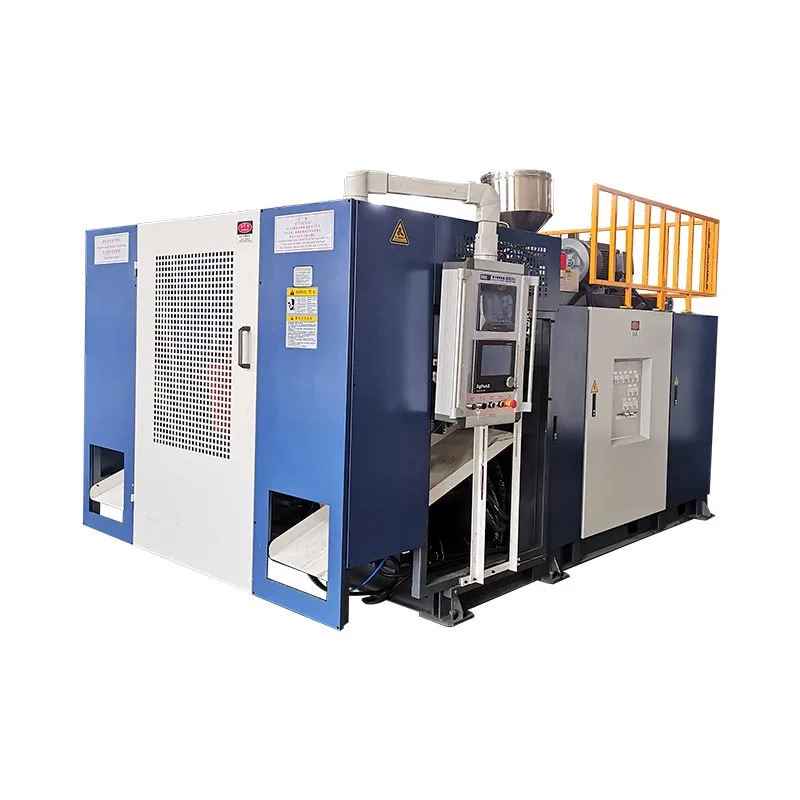
The KGB5L single-station platform and KGB5D double-station platform are published 5 L machine references. They provide forming-platform examples for a bottle project. The inspection system still needs selection against the actual bottle, mold layout, discharge pattern and test requirement.
Specify the interface, not an assumed accessory
Identify which party supplies the inspection module, fixtures, transfer, controls integration and reject equipment.
Keep each machine's published forming specifications separate from the agreed inspection conditions. A blow pressure in the molding specification is not a bottle leak-test pressure.
For the broader forming requirement, use the HDPE bottle-machine selection guide.
Accept the instrument, the application and the line
The acceptance record should distinguish reference checks, actual-container discrimination and the complete reject sequence. Include normal formats and agreed interruption or recovery checks. State quantities, conditions, failures and corrective actions rather than relying on a video of several passing bottles.
Carry the product, fixture and program revisions into the handover record. Identify who approves release after a relevant change. The factory acceptance test guide covers the wider machine assessment; keep the inspection-specific evidence attached to that project record.
Frequently asked questions about bottle leak testing
Does an empty-bottle leak test verify the final cap seal?
Not by itself. The test fixture may contact a different surface from the actual closure. Confirm the inspected features, then specify any additional closed-package evaluation required by the bottle-and-closure design. Keep closure identity and application conditions with that result.
Is pressure decay suitable for every HDPE bottle?
No method should be selected from the resin name alone. Bottle geometry, deformation, temperature, fixture and the required failure discrimination matter. Request verification for the actual container. Do not assume that a pressure-decay standard covering non-deformable vessels establishes compliance for a flexible bottle.
Can a camera or CT scan replace the specified leak test?
Dimensional and imaging evidence can support defect analysis, but it should not be relabeled as a functional leakage result. Retain the specified leak test unless an alternative has been shown to meet the same acceptance requirement and approved through the applicable quality procedure.
Can a rejected bottle be retested?
Only under the agreed disposition procedure. Preserve the first result, identify the reason and conditions for retesting, and retain the authorization and outcome. A later pass should not silently erase an earlier failure or permit repeated testing until a preferred result appears.
Is leak testing included with every automatic blow molding machine?
No. An automatic molding cycle does not define the downstream inspection scope. The technical offer should identify the tester, fixtures, transfer, reject equipment, controls interfaces and acceptance work. Confirm those items for the ordered system rather than inferring them from the word "automatic."
Discuss the molding and inspection scope together
Send the bottle drawing, material, closure requirement, target incoming rate and the failure the inspection must identify. Add representative samples and current test records where available, so the equipment discussion starts with a defined production requirement.
Discuss the production and inspection requirementNingbo Kinggle Machinery Co., Ltd. · Company information