Recycled HDPE can be used in extrusion blow molding when the chosen grade and recipe suit the container. Incoming material checks, a controlled machine trial and finished-package tests under the intended use conditions establish that approval. A recycled-content target alone does not.
Choosing recycled HDPE blow molding resins for the container
Start with the package's job. A detergent bottle with a handle, a squeeze bottle and a rigid chemical container can require different material behavior even when all three use polyethylene. List the contents, filling conditions, closure, appearance requirements and transport loads before comparing resin offers.
For recycled HDPE blow molding resins, ask which feedstock and grade the supplier is offering, how the material is controlled and which application the data supports. A label such as "bottle grade" needs a current technical data sheet and a traceable batch identity.
Keep PCR, PIR and in-house regrind separate
PCR describes material recovered after consumer use. PIR is commonly used for industrial or pre-consumer sources. In-house regrind describes a factory's own ground process scrap. These labels answer different questions about origin; none establishes that a material will pass the proposed container's requirements.
Record internal flash and rejected-part returns separately from purchased recycled pellets. Ask the supplier to state its definitions and recycled-content accounting basis. Do not assume every return to the hopper counts as PCR or qualifying pre-consumer recycled content.
Write the requirements before selecting the blend
The brief should identify the product drawing and closure, target mass, wall-thickness locations, color reference and relevant functional tests. Include storage temperature, filling conditions and the packaged substance. For contact-sensitive uses, add the required material and regulatory documentation before authorizing a trial.
A technically useful decision has a narrow scope: this material, in this recipe, on this machine and mold, for this container. That scope makes later changes reviewable.
Which resin properties matter in HDPE blow molding?
Compare the candidate grade with the approved reference using the same test conditions. Then decide which checks belong on every incoming lot and which are needed only during qualification or an investigation. Ordering every possible laboratory test can add cost without answering the production question.
Read MFR or MFI with the conditions attached
Melt mass-flow rate, often called MFR or MFI, is useful for checking flow consistency. Keep the temperature, load, units and test method with the number. Values measured under different conditions are not directly interchangeable.
ASTM D1238-26 explains that melt-flow results do not establish uniformity of other properties without a valid correlation. It also cautions that the test may not reproduce large-scale processing behavior. A similar MFI therefore supports screening, but does not prove equivalent parison stability or finished-bottle durability.
| Check | Useful record | Decision it supports |
|---|---|---|
| Grade identity and origin | Supplier, grade, lot, feedstock description and declared recycled content | Confirm that the delivered material matches the qualified source and recipe. |
| MFR/MFI and density | Results, methods, conditions and agreed limits | Screen for changes that need review; do not infer all other properties from these values. |
| Particles and material composition | Agreed inspection method, defect examples and representative retained sample | Decide whether routine inspection is enough or composition analysis is needed. |
| Color and odor | Reference sample, inspection conditions and application limits | Check the appearance and sensory requirements of the intended package. |
| Surface water and handling | Storage history, material condition and supplier conditioning instructions | Determine whether material preparation needs correction before the trial. |
| Mechanical and stress-cracking data | Specimen, method, temperature, exposure and loading conditions | Plan the relevant finished-container evaluations rather than substituting a datasheet value. |
Separate typical values from lot-release limits
A technical data sheet describes a grade. A certificate of analysis reports the characteristics covered for a particular lot. The purchase specification states what the buyer will accept. Keep these documents distinct; a typical value is not automatically a guaranteed limit.
Agree how samples represent the lot and retain enough identified material for later comparison. If a change remains unexplained, discuss targeted composition, thermal or rheological analysis with the material supplier or laboratory. Choose the analysis for the suspected failure, not because the instrument is available.
How to run a recycled HDPE extrusion blow molding trial
A controlled trial connects the incoming resin to the extrusion blow molding process and the final package. Define the acceptance checks before making samples. Otherwise, the team can spend the trial adjusting appearance and discover too late that the required use test was never planned.
- Run the approved reference material or formulation until the process is repeatable. Record the machine, die head, mold revision, utilities and downstream configuration.
- Identify the candidate lot and complete recipe, including colorant, additives and any internal returns. Follow the agreed material-change procedure so carryover does not confuse the comparison.
- Record the initial response at documented settings. Observe feed consistency, pressure behavior, parison formation, weight and visible defects.
- Make justified adjustments within the equipment and material limits. Keep each change linked to its reason and resulting samples.
- Collect identified specimens for wall mapping and the agreed functional tests. Compare results across the trial rather than selecting the best-looking bottle.
Keep two comparisons separate. An initial comparison shows how the candidate responds to a documented setup. A subsequent optimized run shows what happens after the process has been adjusted for that candidate. Record both; presenting only the optimized settings hides the work needed to obtain them.
Separate material variation from machine variation
We recommend checking whether the approved reference still runs consistently before assigning a new defect to the recycled resin. If it does not, investigate the equipment, mold and utility conditions first. A material comparison is weak when the reference process is already unstable.
For thin shoulders or unstable bottle weights, compare actual process conditions and parison behavior before changing several settings. If a heavier parison removes the visible symptom, check where that extra material went. The bottle may still have an unfavorable wall distribution.
Keep rejects as well as accepted samples. Their time stamps and locations can show whether a problem follows a material transition, a cavity, a station or a gradual operating change. Record start-up and transition scrap separately from the stable run.
Repeatability matters more than one acceptable bottle. The qualification record should make it possible for another shift to reproduce the approved condition and recognize when it has changed. Use the machine acceptance test framework to connect each conclusion with an identified method, limit and result.
A published 4 L trial: feasibility with a different process window
A 2024 Chalmers study prepared six recycled rigid polyethylene material variants using different washing and compounding conditions. Researchers blow molded 4 L containers and adjusted screw speed for each material to target a bottle mass of 145 ± 5 g.
The study reported production with 100% recycled rigid PE feedstock at the same cycle time as the virgin HDPE reference. However, the recycled materials had a different pressure response during parison formation. One preparation also produced fisheye defects. These results belong to the tested feedstock, equipment and container, not every commercial PCR grade. See the original blow-molding study.
Our recommendation is to use this evidence to justify a material-specific trial, not a universal recycled-content promise. Successful forming still leaves the proposed package's acceptance requirements to verify.
Troubleshooting parison and wall-thickness problems with recycled HDPE
Contain the affected output and identify the first failing samples. Before changing the recipe, ask whether the symptom follows one lot, one station, one cavity or the entire line. This distinction helps choose a comparison that can separate possible causes.
| Observed symptom | Material-side questions | Process-side comparison |
|---|---|---|
| Parison sag or thin shoulders | Has the lot, blend or melt behavior changed? | Compare actual thermal conditions, parison timing and the approved profile using identified samples. |
| Weight or wall variation | Is feeding or blend preparation consistent? | Check whether variation follows an outlet, station or operating interval; compare the reference run. |
| Black specks, gels or pinholes | Are similar defects present in retained material or supplier-prepared specimens? | Review when defects begin and whether they persist with the reference material. Investigate equipment residue as well as incoming contamination. |
| Odor or color drift | Does the candidate meet the agreed reference before and after processing? | Compare process history, carryover and handling conditions before assigning a cause. |
These are investigation routes, not diagnoses from appearance. Additional filtration is not evidence that all material incompatibility or odor issues have been resolved. Likewise, a temperature change that improves one symptom still needs a new check of the finished container.
Wall-thickness control should respond to measured local walls, not just average bottle weight. The parison programming guide explains how the profile relates to material placement. For faults that do not follow the resin change, use the broader extrusion blow molding troubleshooting guide.
Follow the machine's procedures for sampling, cleaning and inspection. Do not open a hot or pressurized melt system to investigate a defect; interventions require the equipment's specified isolation and safe-work procedure.
Quality checks for blow molded polyethylene bottles and containers
Define the test and acceptance limit for each relevant failure mode. Blow molded bottles need checks that reflect their geometry, closure and contents. A material coupon and a finished polyethylene bottle provide different evidence.
Map the local walls and inspect the closure system
Use repeatable measurement locations at the shoulder, body, corners and other demanding areas. Keep the map tied to the sample identity. A bottle can meet its mass target while leaving too little material in a critical location.
For handled blow molded containers, examine the handle region and pinch-off as well as the main body. Check the trimmed neck and closure fit with the intended components. An uncapped bottle check cannot establish the performance of the filled, closed package.
Match functional tests to the intended use
Choose leak, filled-container drop, compression or stacking, handle and other tests according to the package's service brief. Record conditioning, contents or test fill, closure condition, orientation and acceptance criteria where they affect the result. A result without its conditions is difficult to compare.
For inline leak inspection, qualify the container and test recipe together and verify that rejected pieces are actually removed. The pass result addresses the defined leak check; it does not establish transport durability, chemical compatibility or storage life.
Keep environmental stress cracking separate from short-term strength
Environmental stress cracking resistance, or ESCR, concerns cracking under combined stress and environmental exposure. Where the contents and use conditions make it relevant, include a suitable evaluation rather than inferring performance from tensile strength or an immediate leak check.
Freudenthaler and colleagues found that short-term mechanical results did not adequately reveal the differences in stress-cracking behavior of their tested polyethylene recyclates. Their research supports evaluating these failure modes separately; it does not establish that all recycled HDPE performs poorly. See the study of polyethylene recyclates and ESCR.
When comparing stress-cracking data, retain the specimen, loading, medium and temperature. A ranking obtained with one accelerated method is not automatically the service life of a different filled container.
How much PCR can be used, and when should multilayer molding be considered?
Set the recycled-content target through validation of the proposed material and package. Neither the nominal machine capacity nor the phrase "HDPE compatible" establishes a universal PCR percentage. Keep the material composition and the basis used to calculate recycled content in the recipe record.
Distinguish a blended recipe from separate layers
A single-layer blend combines material streams before forming the wall. A multilayer configuration assigns streams to separate layers. These are different production arrangements, and each needs a defined purpose and material-specific trial.
For multilayer work, check the intended material allocation and resulting layer distribution in the container. An approved recipe display alone is insufficient. The multilayer machine selection guide covers the equipment and layer-function decisions in more detail.
Do not use a surface layer as a shortcut to contact approval
Food-contact suitability is a separate question from successful forming and mechanical performance. For the United States, the FDA's recycled-plastics chemistry guidance addresses possible residual contaminants and migration. It is guidance for evaluating recycling processes, not a universal certificate for any recycled bottle.
A virgin-resin surface does not by itself establish that the whole structure meets the intended contact conditions. Review the actual materials, recycling process, structure and destination requirements. The same discipline applies when another market or contact-sensitive application has different requirements.
What should be approved before scaling up recycled HDPE production?
Release a defined combination of material, recipe, tooling and process. Avoid a broad approval such as "recycled HDPE accepted," which gives purchasing and production little guidance when a later lot or formulation changes.
| Approval item | What the record needs | Change to review |
|---|---|---|
| Material and formulation | Supplier, grade, source description, recipe and treatment of internal returns | New source, grade, blend, additive or return practice |
| Machine and tooling | Machine identity, extrusion/head configuration, mold and closure revisions | Equipment, tooling or component changes that could affect the package |
| Process condition | Approved settings, observed operating range and sample-linked results | A sustained shift or repeated adjustments outside the approved condition |
| Container acceptance | Methods, conditions, limits and actual sample results | New contents, handling, appearance or customer requirements |
| Routine control | Incoming checks, sample identity, retained material and responsibilities | Lot trends or failures that require containment and requalification |
Agree which changes trigger a document review, additional testing or a new machine trial. Keep suspect material and output traceable while the decision is open. Initial qualification is useful only if later production can detect departures from it.
Compare economics using accepted containers, not the resin price alone. Track material consumed by transition scrap, rejects and any additional checking in the same accounting period. The good-container cost model provides a consistent way to make that comparison without assuming recycled resin is always cheaper.
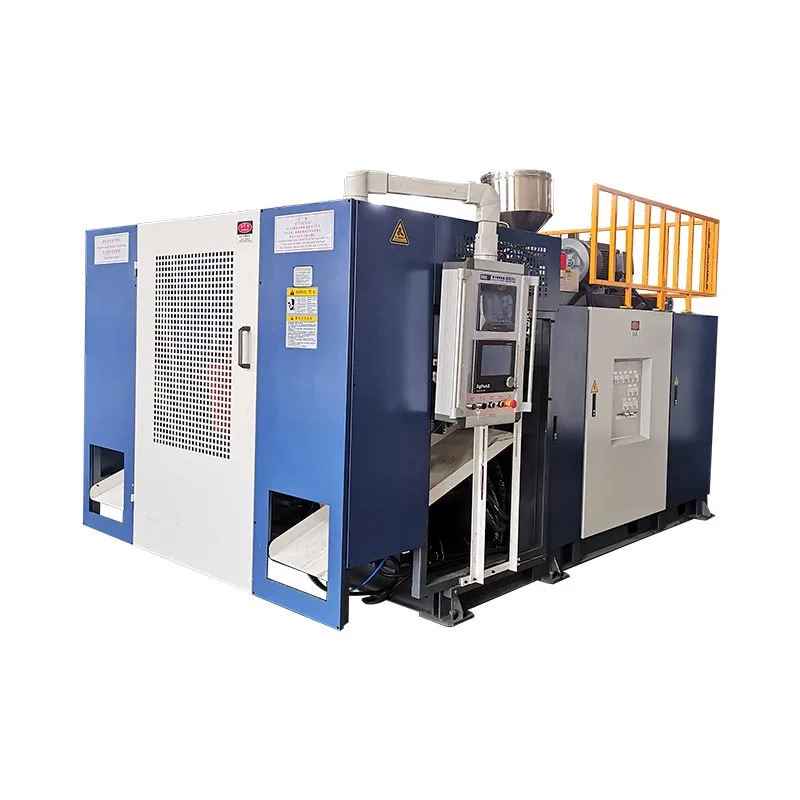
Bring the material brief to the machine discussion
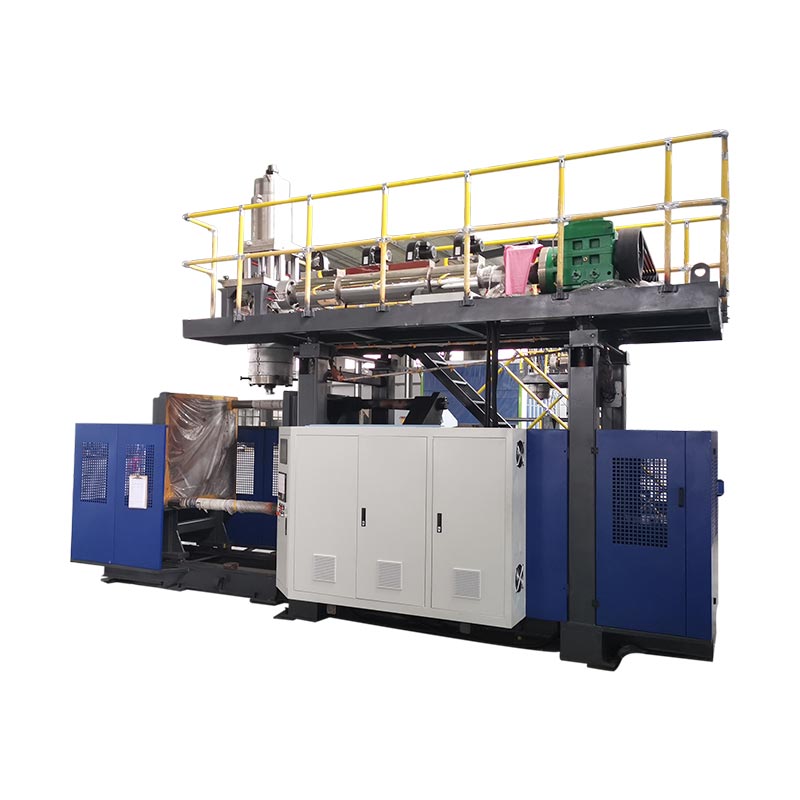
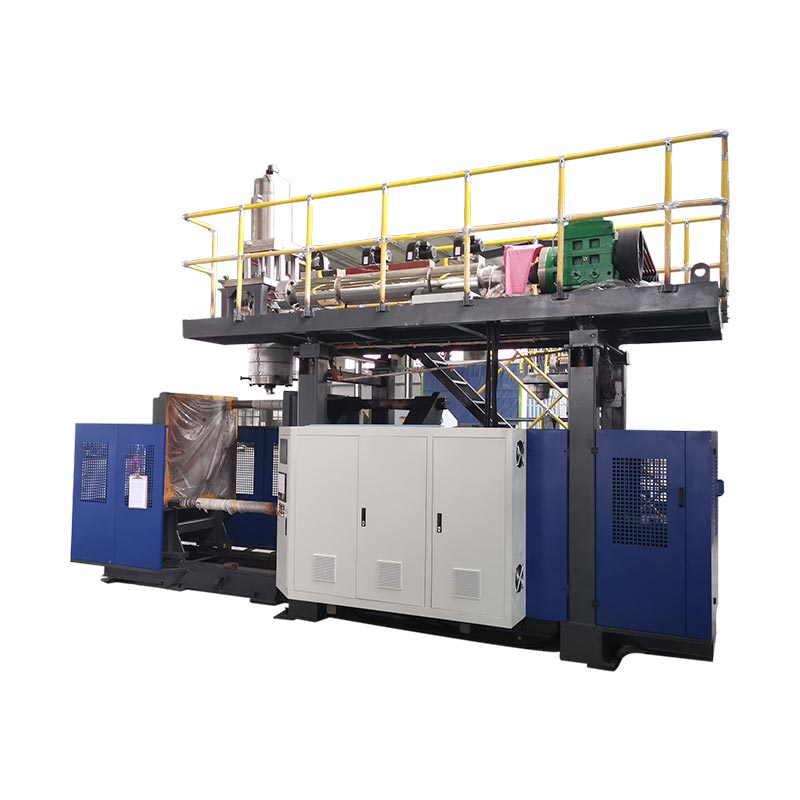
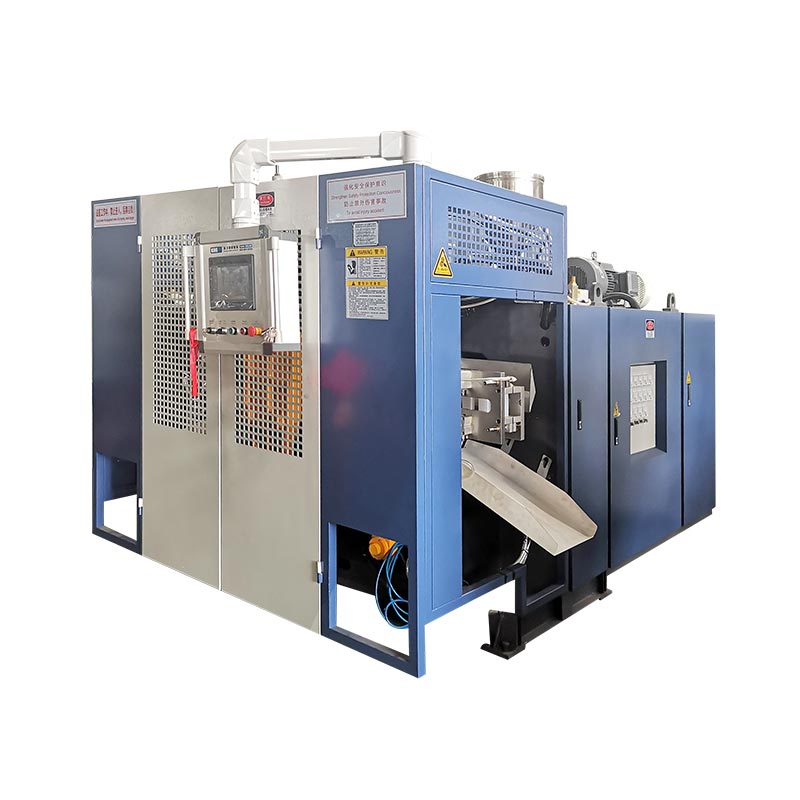
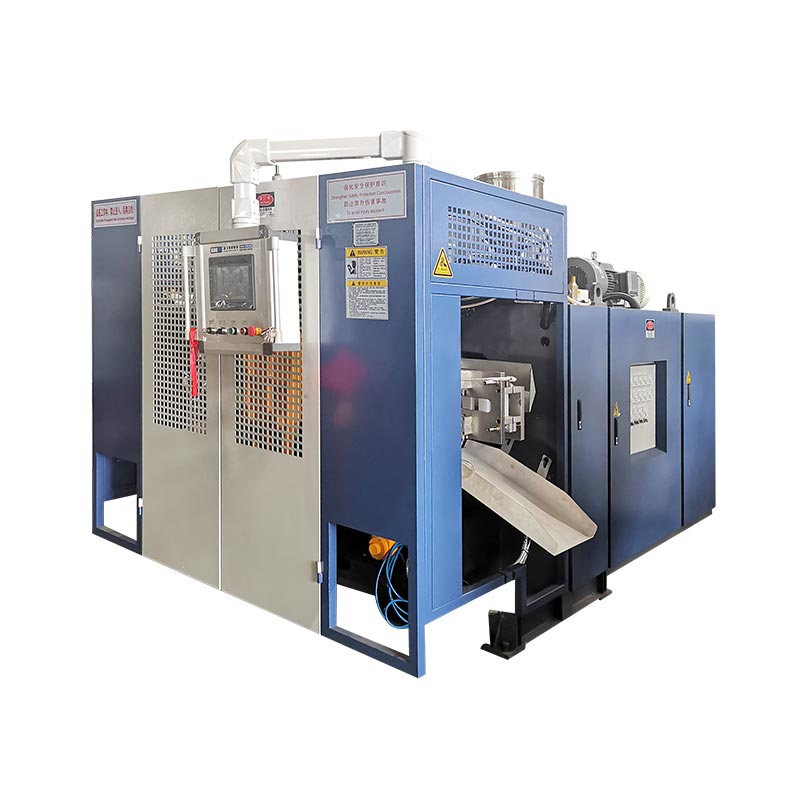
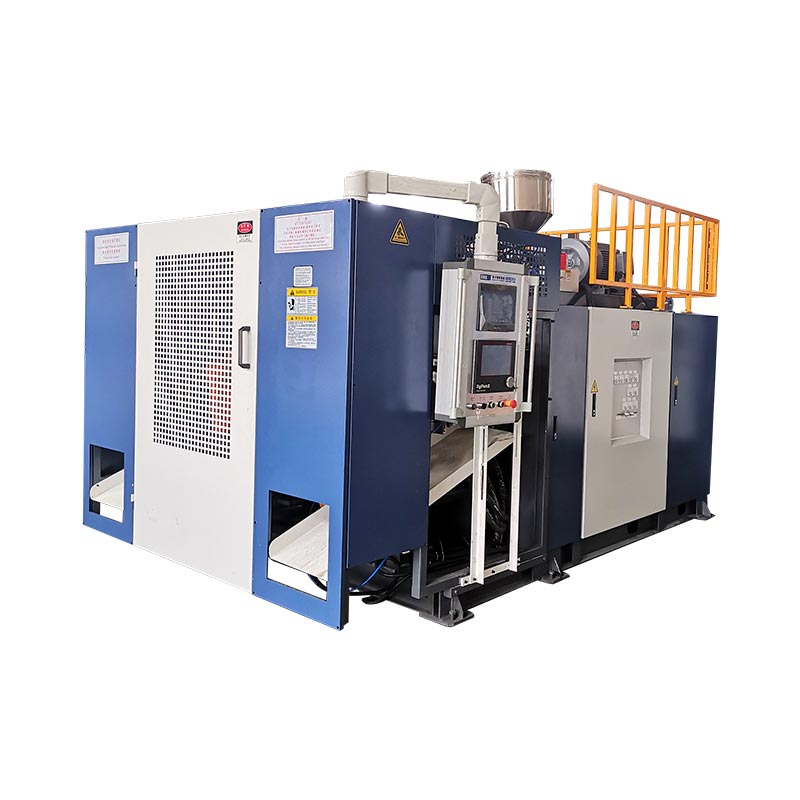
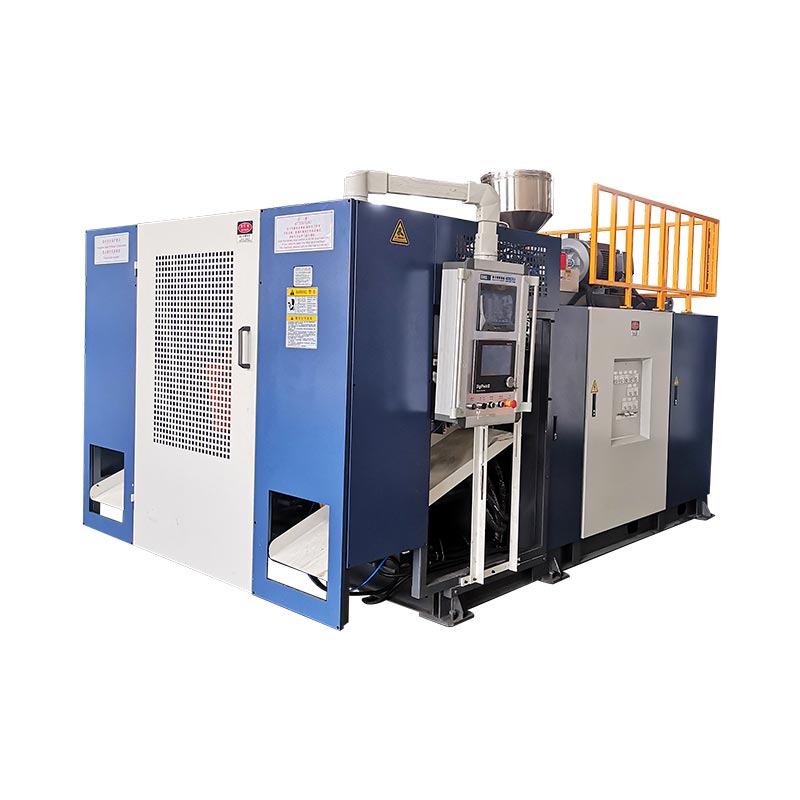
The KGB5D double-station blow molding machine is listed for containers up to 5 L and includes PE in its published material scope. It is a relevant starting point for a small-container project.
Confirm the intended recycled grade, formulation, mold, output and tests before agreeing the configuration. Published PE capability is not a guarantee for every PCR feedstock or percentage.
Send the resin data sheet and available lot data, sample material, product and closure drawings, contents and use conditions, mass and wall targets, required accepted output and test requirements. Include the proposed blend, internal-return plan and downstream scope.
Recycled HDPE blow molding FAQs
Can recycled HDPE be blow molded without virgin resin?
Some feedstocks can, as the published 4 L trial demonstrates. That result does not approve a different grade or container. Verify process repeatability and the intended package's performance before selecting a recipe with no added virgin resin.
What MFI is suitable for recycled HDPE blow molding?
Use the candidate grade's recommended application, complete test conditions and comparison with a qualified reference. There is no single MFI that approves every container. MFI is a screening value; the material must also demonstrate suitable parison behavior and finished-container performance.
Does recycled HDPE need drying before blow molding?
Check the material's condition, storage history and supplier instructions. Free water or wash-related moisture needs an appropriate preparation step. Do not apply a PET drying schedule to recycled HDPE by default; agree the conditioning requirement for the actual grade and handling system.
Can a standard HDPE blow molding machine process PCR resin?
Possibly, but compatibility depends on the particular resin, formulation, feeding and extrusion arrangement, mold and required output. Confirm the equipment supplier's scope and run an identified-material trial. An HDPE label alone does not establish PCR performance.
Can recycled HDPE be used for food-contact bottles?
Only when the actual material and package meet the applicable requirements for the intended use and market. A successful molding trial, a mechanical test or a virgin outer layer does not establish that suitability on its own.
A useful material approval names the resin and the container, preserves the test conditions and defines what must happen when either changes.