Quick answer
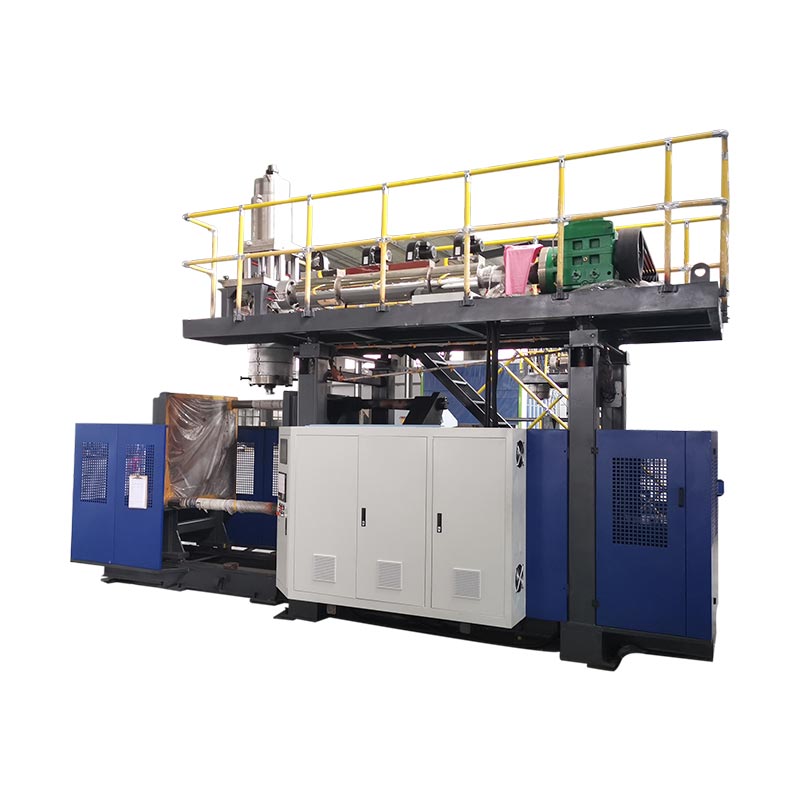
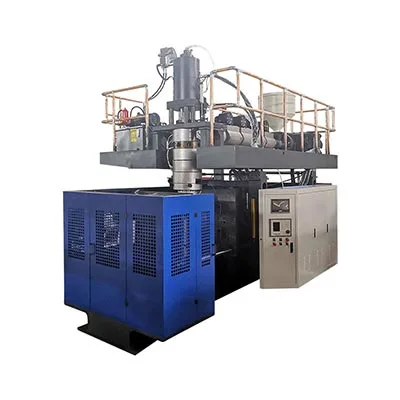
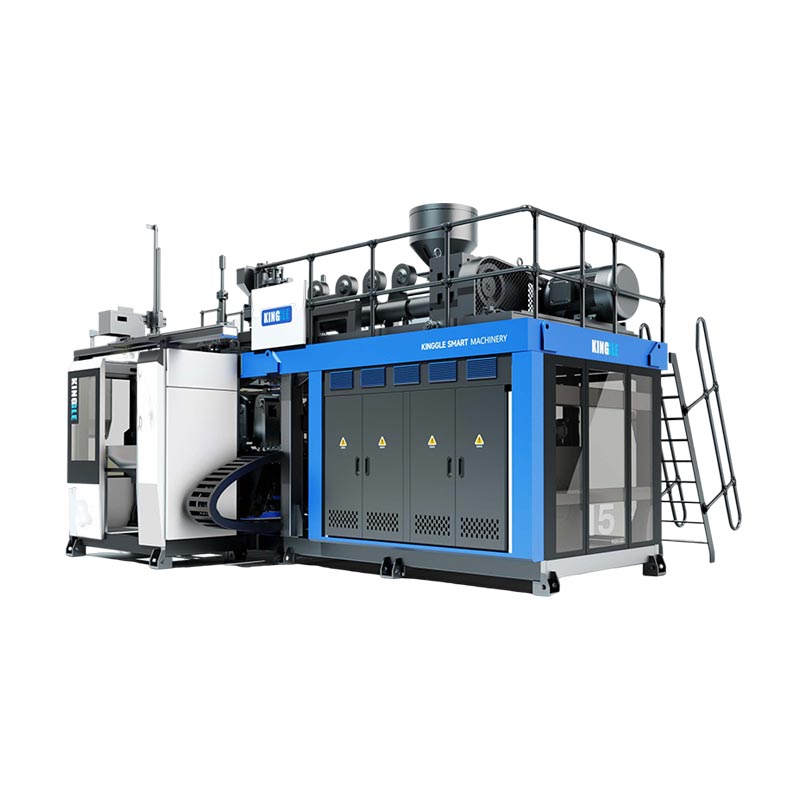
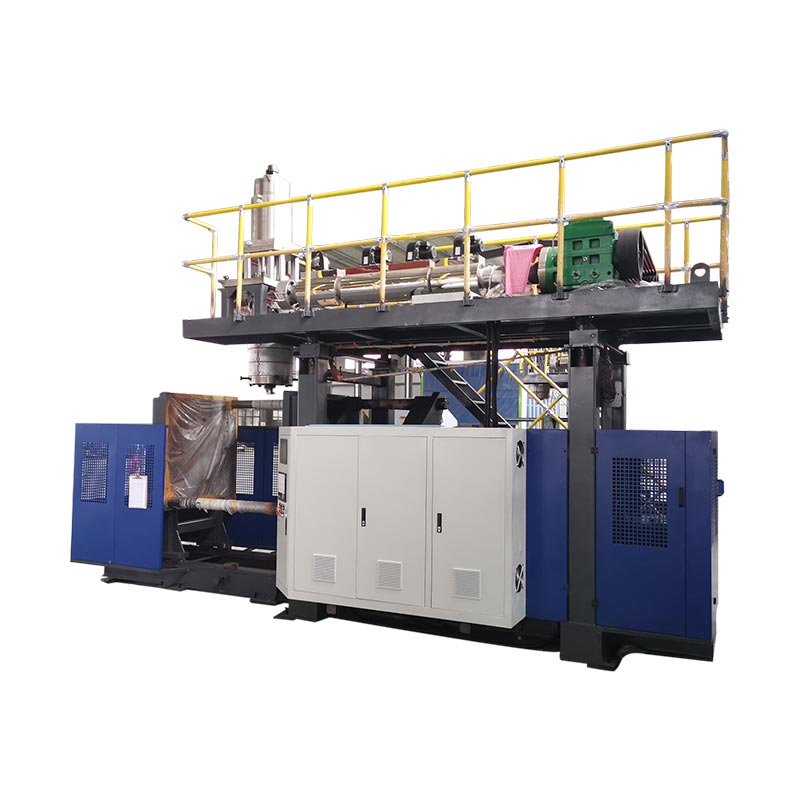
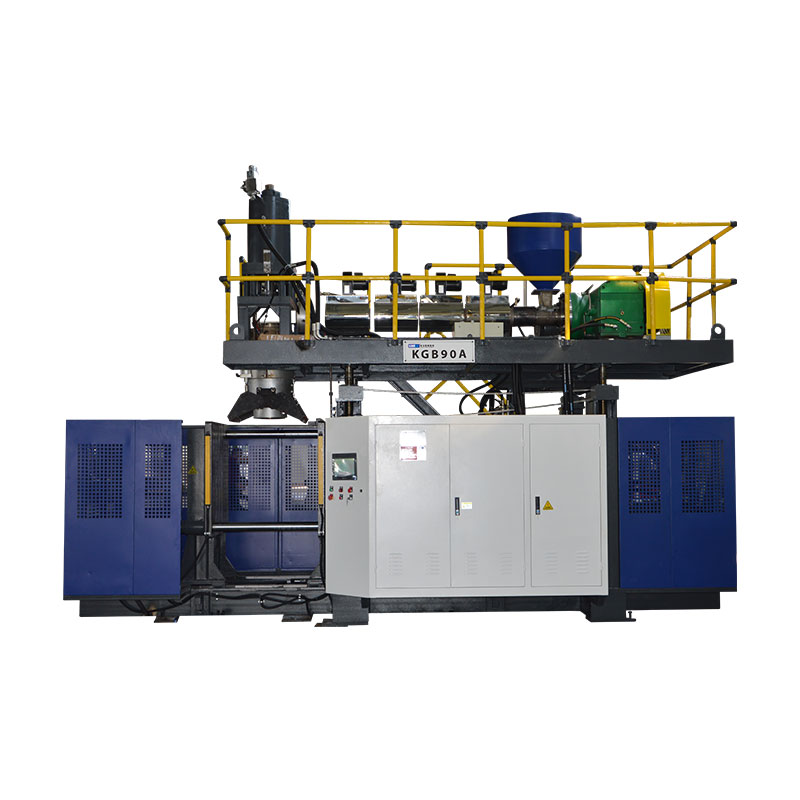
Blow molding inflates a tube of molten plastic against a mold in seconds to minutes. It costs more in tooling and wins at volume. Rotational molding tumbles plastic powder inside a heated, slow-turning mold. Its cycles run tens of minutes, but the tooling is cheap and the parts come out seamless. Annual volume usually decides it: low volumes favor rotomolding's cheap molds; production volumes favor blow molding's speed. For tanks, IBCs, floats, and barriers, a 250-liter blow molding machine runs 300 pieces per hour dry cycle, while a rotomolding cycle makes one part in the same span.
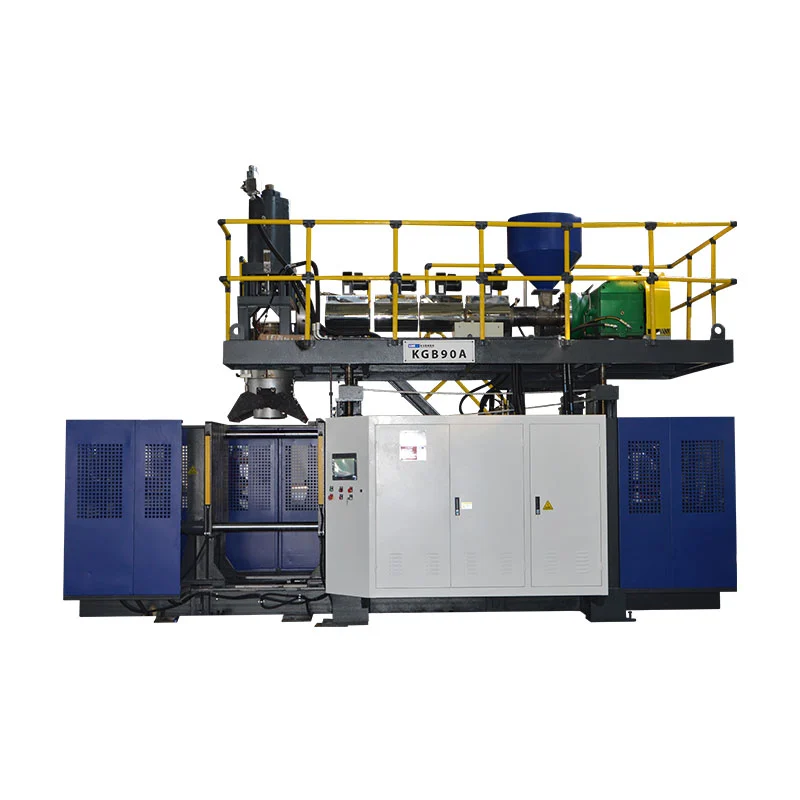
Both processes make hollow plastic parts. For tanks, kayaks, floats, and barriers, either one could do the job. So the choice matters, and it costs real money to get wrong.
Most articles on this topic come from molding shops that favor whichever process they sell. We build blow molding machines, so we will say that plainly. To keep this useful, we added a full section on when rotomolding wins — because sometimes it does.
Here is the honest comparison a buyer needs.
The two processes, one minute each
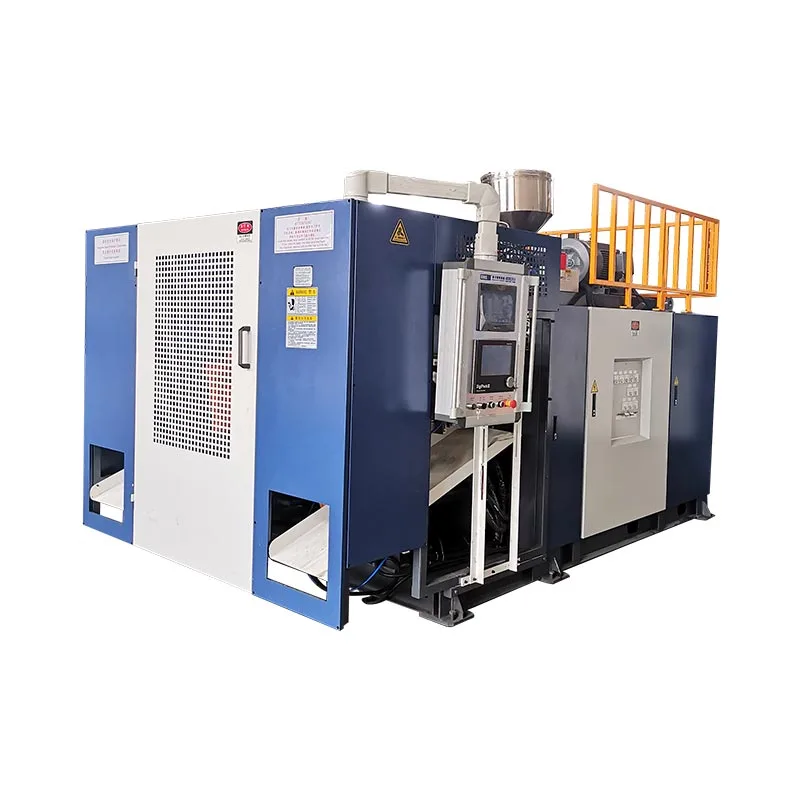
A blow molding machine extrudes a hollow tube of molten plastic called a parison. The mold closes around the tube, air inflates it against the walls, and the part cools and ejects. The cycle runs in seconds for bottles and a few minutes for large parts.
A rotational molding machine loads plastic powder into a hollow mold. The mold turns on two axes inside an oven, and the melting powder coats the interior as a seamless skin. Then it cools while still turning, and the part comes out.
Same products, opposite physics. One uses pressure and speed. The other uses heat, gravity, and time.
Blow molding vs rotational molding: side by side
| Blow molding | Rotational molding | |
|---|---|---|
| How the part forms | Air inflates a molten parison in a mold | Powder melts onto a turning mold at ambient pressure |
| Cycle time | Seconds to a few minutes | Tens of minutes per part |
| Tooling | Machined molds — higher cost, long life | Cast aluminum molds — cheaper, faster to change |
| Walls | Thinner, distribution programmed by die-gap control | Thicker, naturally even, seamless |
| Seams | Pinch-off line top and bottom | None — one continuous skin |
| Best volumes | Production runs; per-part cost drops with scale | Low to medium runs; prototypes; frequent changes |
| Typical products | Bottles, drums, IBC bottles, fuel tanks, jerry cans | Oversized tanks, playground gear, custom low-run parts |
The real difference: pressure and time
Takeaway: blow molding buys speed with pressure and pricier tooling. Rotomolding buys cheap tooling with time.
Every row in that table traces to one fact. Blow molding forms the part under pressure, in one fast event. Rotomolding forms it at ambient pressure, slowly, as powder melts onto the wall.
Pressure explains the tooling cost. Blow molds must resist clamping forces — 800 to 1800 kN on our large machines — so they are machined from tool steel. Rotomolds face almost no force, so cheap cast aluminum works.
Time is the price rotomolding pays. Heating a mold in an oven and cooling it while it turns takes tens of minutes. No skill shortens that.
The volume breakeven: where the decision gets made
Takeaway: below the breakeven quantity, rotomolding's cheap tooling wins. Above it, blow molding's cycle speed wins — and the gap widens every year you produce.
This calculation settles most real decisions. Rotomolding starts cheaper, because the mold costs a fraction of a blow mold. But every part carries a slow cycle.
Blow molding flips that. The mold costs more up front. Then the machine makes parts many times faster, every hour, for the life of the program.
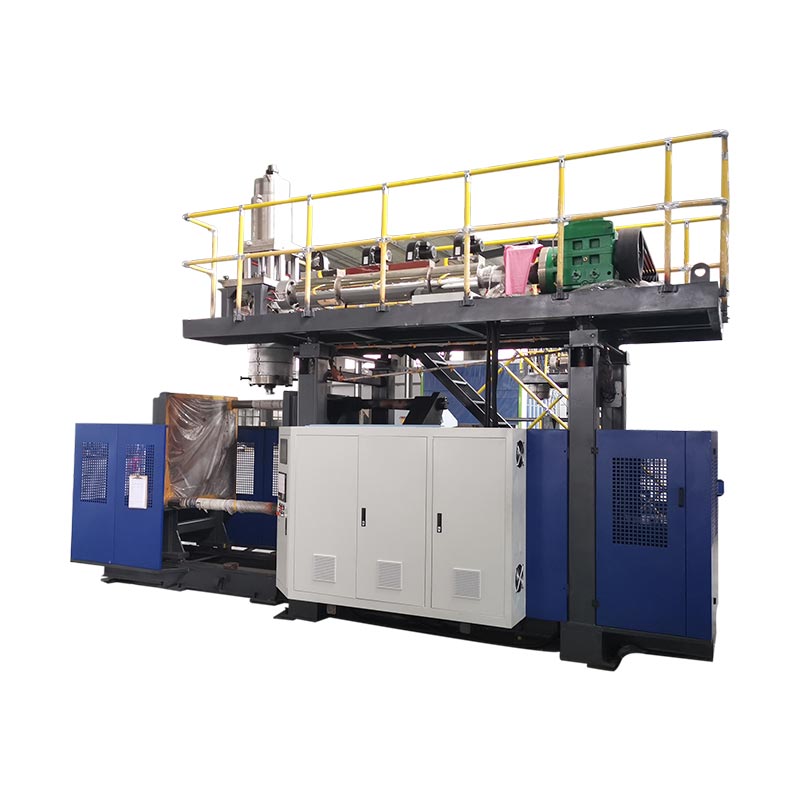
Real numbers show the gap. Our KGB120E-class machine for 250-liter containers runs 300 pieces per hour dry cycle. A rotomolding cell making a similar tank finishes one part per oven-and-cool cycle.
So the real question is not "which is cheaper?" Ask "cheaper at your annual quantity?" A few hundred parts a year favor rotomolding. Thousands to tens of thousands favor blow molding by a wide margin.
The crossover zone: tanks, kayaks, floats, barriers
Takeaway: the products people call "rotomolding parts" — tanks, kayaks, floats, barriers — run on large accumulator blow molding machines at volume.
Most comparison articles skip this part. A whole family of large products fits both processes.
Water tanks. 1000-liter IBC bottles. Kayaks and small boats. Floats and buoys. Road barriers. All hollow, all large, all linked to rotomolding by habit — and all running today on blow molding machines.
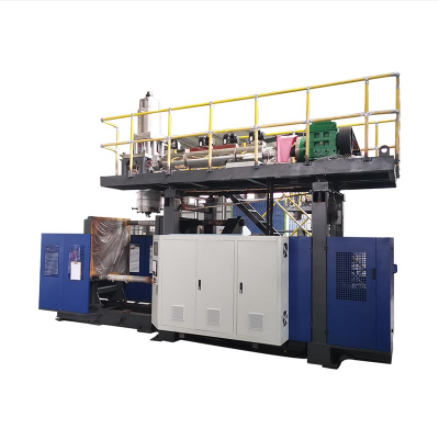
These are real jobs from our range. Our accumulator machines make water tanks and IBC bottles up to 1000 liters, and the three-cylinder KGS series reaches 2000-liter containers, plus floats, barriers, and kayak-class parts in HDPE and HMWHDPE.
Why switch these parts from roto to blow as volume grows? Cycle time. When a tank sells in the tens of thousands per year, a process that makes one part per oven cycle cannot keep up. Adding roto arms means adding ovens, floor space, and energy per part.
The trade is the wall. A rotomolded tank runs seamless and evenly thick. A blow molded one carries a pinch-off line and relies on programmed wall-thickness control to put material where the load sits. Done right, the blow molded part meets the same duty at a lighter weight — which also means less resin per part.
When rotational molding wins
Takeaway: low volumes, frequent design changes, extreme sizes, and seam-free specs are real rotomolding wins. No machine purchase changes that.
We promised honesty. Here are the jobs where we would tell you not to buy our machine.
Low annual volumes. A few hundred units a year never pay back blow mold tooling. Rotomolding's cheap aluminum molds fit this exactly.
Frequent design changes. Recutting a rotomold costs little. Recutting a blow mold costs a lot. Iterating a product yearly favors roto.
Extreme sizes and complex shapes. Rotomolding scales to huge one-piece tanks beyond any parison, and it handles molded-in inserts and deep undercuts well.
Seam-free requirements. A good pinch-off is strong. But if your spec forbids any weld line, the seamless rotomolded skin settles it.
If two or more of these fit your product, look hard at rotomolding. If none fit and your volumes climb, blow molding is your process.
The buying angle: what changes for your line
The process you pick reshapes your whole investment, so weigh it like a purchase, not a preference.
Tooling cost and lead time. A rotomold ships cheaper and faster. A blow mold costs more and lasts longer. Match the choice to how long the product will run and how often it changes.
Cycle time and labor. Blow molding makes more parts per operator-hour at volume. Rotomolding needs more ovens and hands to reach the same output.
How each process scales. A rotomolding plant grows by adding arms and ovens — more floor space and heating energy each time. A blow molding plant grows through cycle speed and automation on machines it owns.
ROI at your volume. Model the honest number: tooling plus energy plus labor, divided across your annual quantity. Ask any blow molding machine manufacturer for a specified quotation before you compare — a real number beats a rule of thumb.
Two mistakes buyers make
Picking the process by habit. "Tanks get rotomolded" was true at low volumes. At production scale, it stops being true. Run the breakeven for your quantity, not the industry's reflex.
Comparing tooling price alone. The cheap mold looks like a win until you divide the slow cycle across 20,000 parts. Compare cost per finished part, across the program — not the mold quote.
Choosing blow molding? Size the machine next with our five-step selection guide. Still deciding between hollow and solid parts? Read blow molding vs injection molding first. New to the machine families? Start at the types of blow molding machines pillar.
Frequently asked questions
What is the difference between blow molding and rotational molding?
Blow molding inflates a tube of molten plastic against a mold with air, forming parts in seconds to minutes. Rotational molding tumbles plastic powder inside a heated mold that turns on two axes, forming seamless, thick-walled parts in cycles that run tens of minutes. Blow molding wins on speed and per-part cost at volume. Rotomolding wins on tooling cost and design freedom at low volumes.
Which is cheaper, blow molding or rotational molding?
It depends on volume. Rotational molding costs less to start, because its cast aluminum molds cost a fraction of machined blow molds. Blow molding costs less per part, because its cycles run many times faster. Low annual volumes favor the tooling saving. High volumes favor the cycle speed. Model your real annual quantity to find the breakeven.
Can large water tanks be blow molded instead of rotomolded?
Yes. Large accumulator blow molding machines produce water tanks, 1000-liter IBC bottles, and containers up to 2000 liters. At production volumes, blow molding makes these parts far faster than rotomolding. A 250-liter class machine runs 300 pieces per hour dry cycle, while a rotomolding cycle for a comparable tank takes tens of minutes per part.
Why are rotomolded parts seamless and blow molded parts not?
In rotational molding, powder coats the whole mold interior as it turns, so the part forms as one continuous skin with no weld line. In blow molding, the mold halves pinch the parison shut at the top and bottom, leaving a pinch-off line. A good pinch-off is strong. But if your part cannot have any seam, the seamless rotomolded wall is an advantage.
Which process makes stronger parts?
Neither wins outright — they reach strength differently. Rotomolded parts run thicker and seamless, which suits abuse-heavy products. Blow molded parts reach strength through controlled wall distribution: programmed die-gap control puts material where the load sits, so a lighter part meets the same duty. Blow molding in HMWHDPE with proper thickness control makes stacking-rated IBC bottles.
Deciding between the two processes?
If you are choosing a process for a large hollow part, our engineering team can run the breakeven with you based on your part size, material, and annual volume. If rotomolding fits your numbers better, we will say so. If blow molding wins, we will spec the exact machine and show the cycle math behind it. Building blow molding machines since 2002, with 15 engineers on the team.
Get an honest process assessment →Blow molding versus rotational molding is a volume question in a technical costume. Cheap tooling and patience at low quantities. Pressure, speed, and programmed walls at scale. Know your annual number, and the process picks itself. When it picks blow molding, the large accumulator range is where the crossover products live.