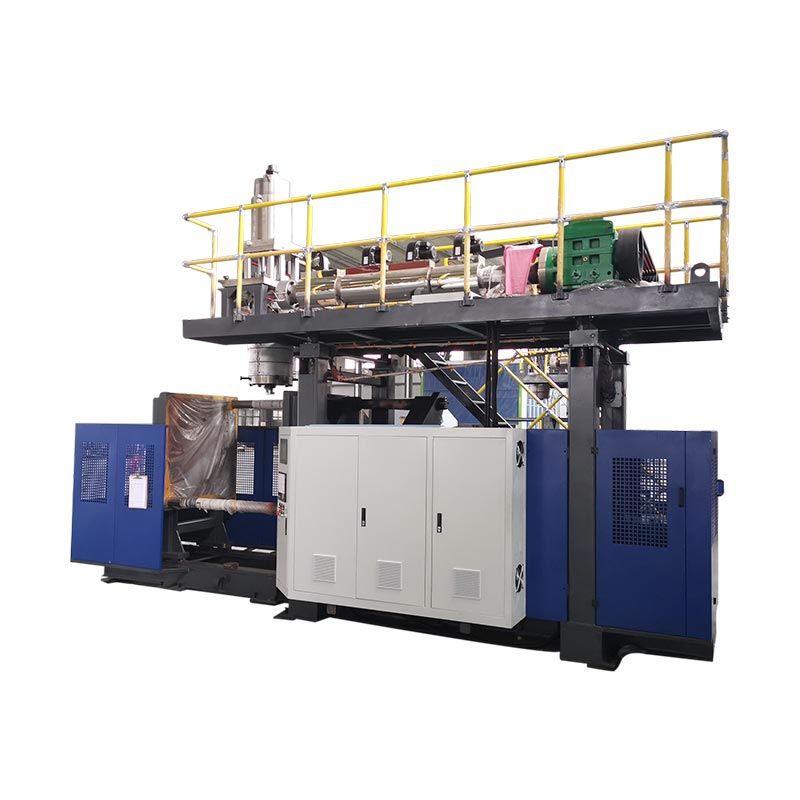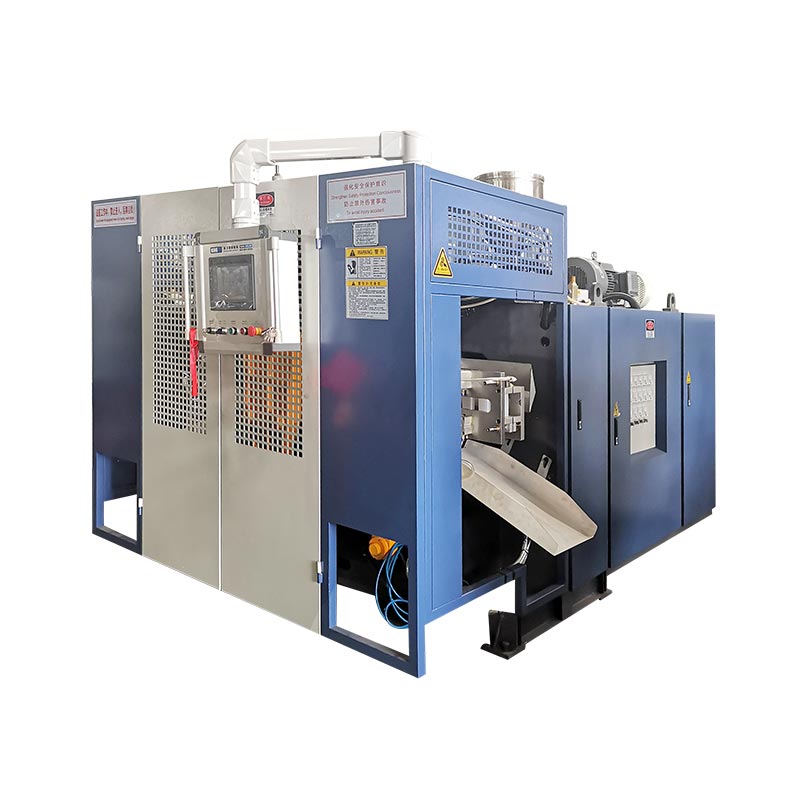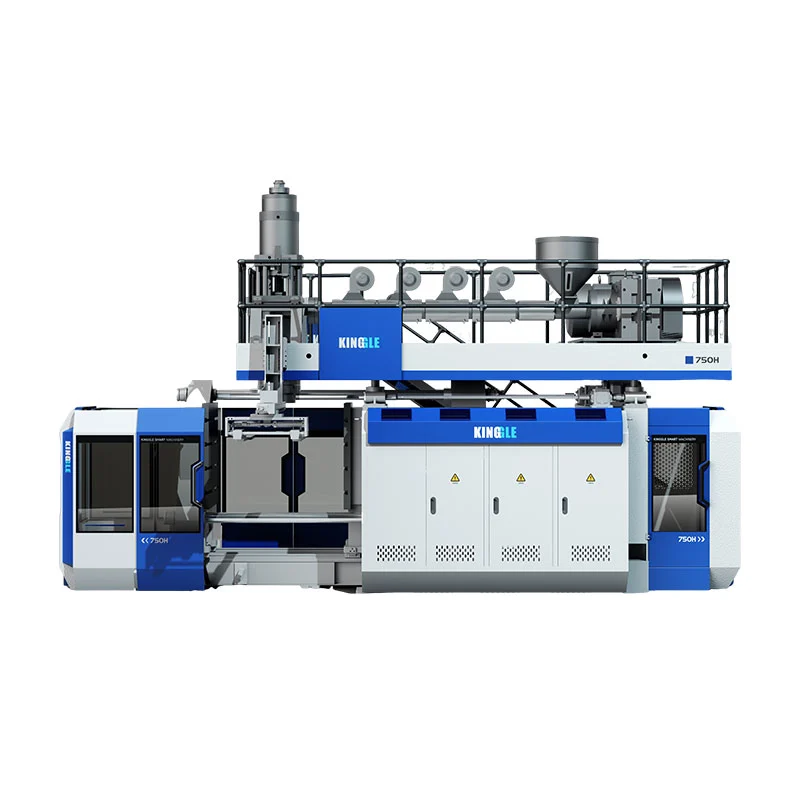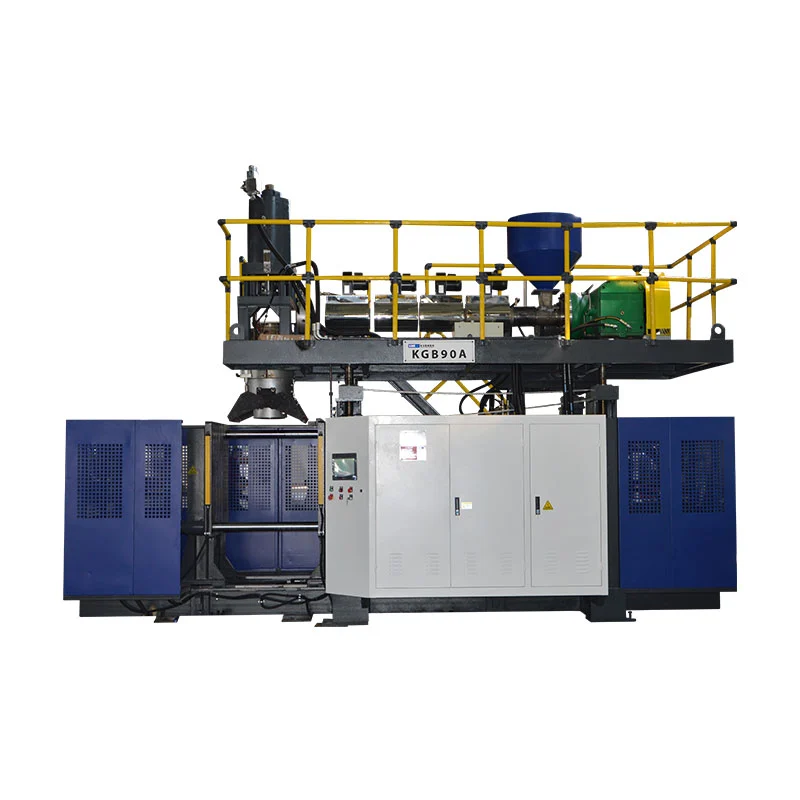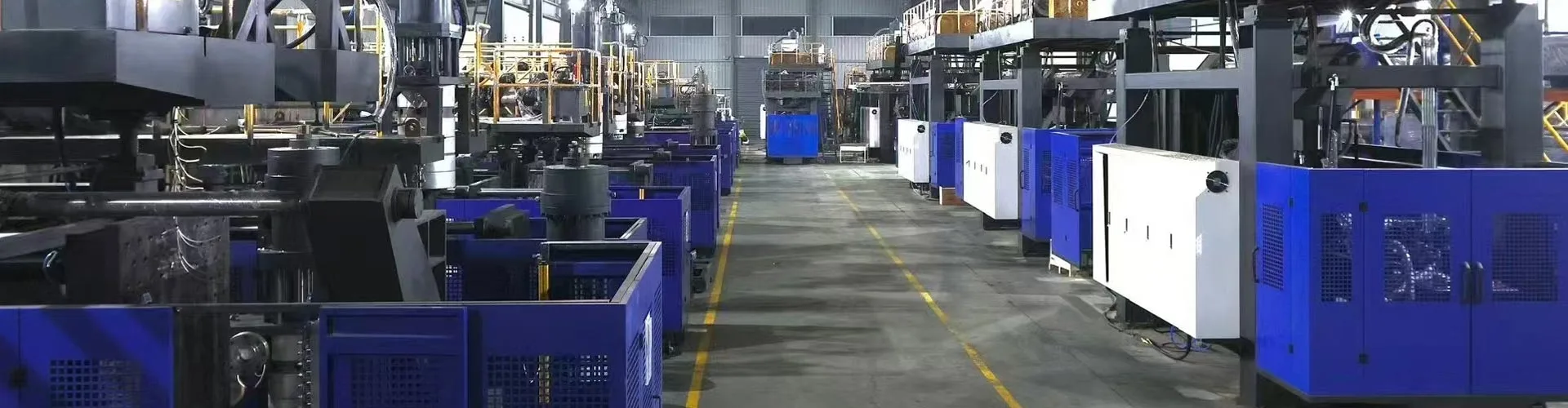
Compare blow molding machine quotations against the same product specification and delivery scope before comparing their totals. Match the machine configuration, molds, auxiliary equipment, output conditions, testing and installation responsibilities. An excluded or unspecified item belongs in the comparison, even when it has no price yet.
A quotation headed "automatic blow molding machine" can describe a base machine or a much larger production package. The heading alone does not tell you who supplies the molds, cools the process water or checks the finished containers. Those details determine what the buyer can start producing after installation.
Two offers can describe different purchases
Consider the two descriptions below. Both refer to an automatic extrusion blow molding machine. One leaves several items open, while the other describes a wider package. You cannot determine which offers better value until their scope is comparable.
Illustrative quotation descriptions
Offer A: A double-station machine with one die outlet. Mold supply is listed separately. The buyer provides air and cooling equipment. Trimming and inspection are not described.
Offer B: A double-station machine with specified tooling for both stations, material loading, trimming and leak testing. The offer also identifies factory trial conditions and commissioning work.
These are invented scope examples for explanation, not quotations from Kinggle or another supplier. No real prices or customer projects are represented.
Offer B contains more named items, but that does not automatically make it the right purchase. A buyer with suitable existing auxiliaries may prefer Offer A. Another factory may need the wider package to begin production. The decision depends on which equipment and services the project requires.
| Comparison item | Offer A needs clarification | Offer B needs clarification |
|---|---|---|
| Molds | Price and quantity for the complete operating arrangement. | Included quantities, cavity arrangement and drawing revisions. |
| Auxiliaries | Required specifications for the buyer's equipment. | Exact supplied equipment and any remaining exclusions. |
| Finished output | Where accepted containers are counted. | Whether quoted output includes trimming and inspection. |
| Installation | Tasks, responsibilities and any separate charges. | Site prerequisites and the limits of the included service. |
Keep unspecified items visible. A blank cell means that the answer is missing. It does not mean the equipment is free, unnecessary or included. Ask for a written clarification and carry the answer into the next quotation revision.
Kinggle's published sales process starts with product details and production requirements, followed by a machine recommendation and commercial proposal. That sequence provides a useful starting point: agree on what must be produced, then compare what each offer supplies to achieve it.
If the project needs an early budget, label unresolved items as allowances requiring confirmation. Keep that budget version separate from the final purchase comparison. Otherwise, provisional assumptions can survive into an order without anyone recognizing that they were never settled.
Fix the product basis before requesting a revised price
For an extrusion blow moulding machine quotation, send the same product package to every supplier. Include the drawing revision, intended material, target weight and required accepted output. Describe the closure and any finishing work. Ask each supplier to identify that package in its offer.
A photograph is useful for an initial discussion, but it cannot resolve every dimension or quality requirement. Mark which features must remain unchanged and which are open to redesign. If a supplier proposes a change, record its effect on the product before evaluating the equipment price.
For a bottle project, separate nominal fill volume from maximum external dimensions. For a handled container, include the handle geometry and the intended use. Provide the approved material grade where available, together with the planned regrind or recycled-content arrangement.
Include the product mix as well. A quote for a dedicated line may assume long runs of one container. A different offer may allow for frequent mold changes or several neck finishes. List the required products and identify the main production item so each supplier works from the same schedule.
Kinggle's machine selection guide is the earlier step in this process. It helps define equipment requirements from the part. The quotation review should then check whether each supplier has priced that agreed requirement.
When an input changes, circulate it to every supplier still under consideration. A revised bottle weight or output target can invalidate the original comparison. Keep the superseded version for reference, but label the active request clearly.
From a factory planning perspective, this saves a specific kind of rework: preparing a machine-and-mold proposal for a product that purchasing is no longer comparing. A short revision record keeps the buyer, machine supplier and mold maker working toward the same deliverable.
Identify the machine configuration and every tooling set
The model name belongs beside a configuration schedule. That schedule should identify the extrusion system, station arrangement, die outlets, layer structure and relevant controls. Describe the actual selected equipment rather than copying the complete list of options from a brochure.
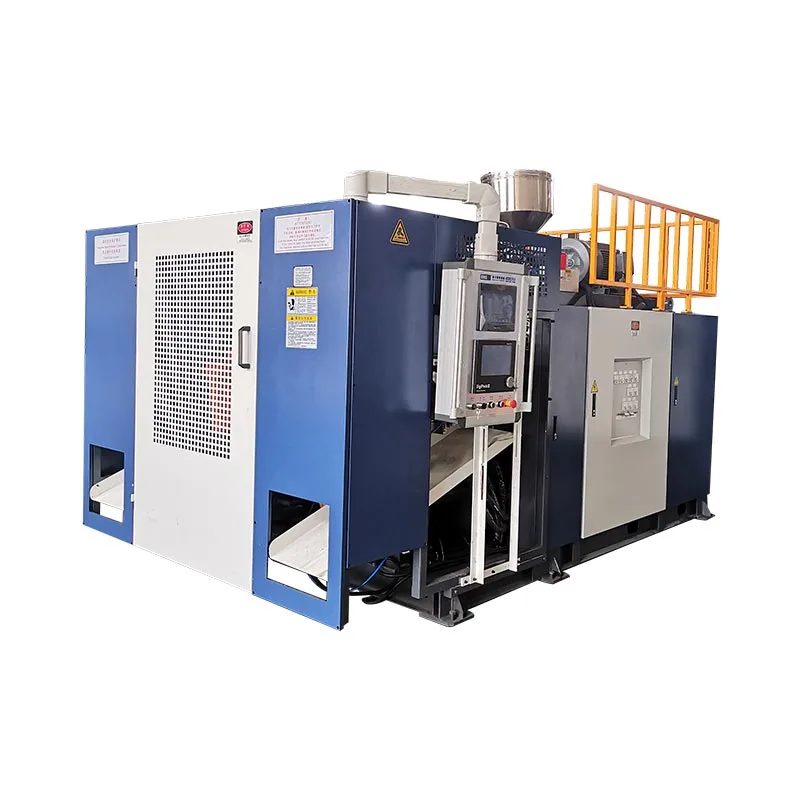
For example, Kinggle's KGB5D product page publishes a 5 L maximum container capacity, a 70 mm screw and 80 kg/h HDPE melting capacity. It also describes alternative head and layer arrangements. Those published references help identify the platform; they do not establish which options belong in a particular order.
Count tooling by the operating arrangement
Ask for the complete mold quantity required by the quoted machine sequence. Identify the cavities in each mold and the parts that change between products. Include neck inserts, blow pins, die tooling and trimming fixtures where the proposed process requires them.
The phrase "one mold" is too loose if the parties mean different assemblies. Give each tooling item a description, quantity and drawing reference. Where tooling is supplied by another company, name who reviews fit and who resolves interface questions before manufacture.
Use the blow mold design guide to check the required input package. The supplier's quotation should then confirm the agreed mold envelope, mounting arrangement and production configuration for that project.
Keep configuration changes visible
When comparing single- and double-station layouts, review the complete tooling and auxiliary scope beside the machine price. A change in station count may alter the mold package and the handling arrangement being purchased.
Ask the supplier to identify optional items separately, with a clear explanation of what happens if they are omitted. This allows the buyer to choose deliberately. It also prevents a lower total from hiding a configuration that no longer meets the agreed product or production plan.
Draw a boundary around the auxiliary equipment
Start at the material inlet and follow the container to the agreed handover point. Record each operation, then identify the equipment and party responsible for it. This makes the phrase "complete line" specific enough to compare.
Check material loading, blending and scrap handling against the proposed material plan. List cooling and compressed-air equipment where required. Add take-out, trimming, conveying and inspection according to the finished-product requirement. Do not assume that every item is necessary or that every project needs new equipment.
Existing factory equipment can be part of the solution. In that case, provide its relevant specifications for review. Record who checks its suitability, who supplies the connections and who proves the combined arrangement during commissioning.
Kinggle's utility requirements guide separates factory supply conditions from the molding equipment. Use that information to request the required connection details. A quotation that includes a chiller still needs to define the piping and connections between it and the machine.
The same approach applies after molding. If the offer includes a leak tester, identify how bottles enter it, how rejects leave and how the accepted count is recorded. If the buyer supplies the tester, define the interface between the machine and that equipment.
For controls, ask how connected devices exchange ready, stop and fault information. The answer should refer to the proposed equipment arrangement. It should also make clear who completes the interface work when different suppliers provide different parts of the cell.
A short responsibility matrix helps prevent gaps. Give each required item a status: included, separately priced, buyer-supplied or unresolved. Then add its owner and connection point. An accessory list becomes much more useful when it explains where each supplier's work ends.
Make the output promise testable
A quotation needs a clear definition of its production result. Ask whether the stated rate refers to a dry cycle, molded parts leaving the machine or accepted containers after the included downstream operations. Keep those measurements separate in the comparison.
The KGB5D product table labels its speed entry as dry cycle. Its HDPE melting capacity is another published reference. Neither label by itself describes accepted output for a buyer's particular bottle. The technical offer should explain the proposed result under the agreed production conditions.
Specify the resin grade, product drawing, weight range and active cavities used for the output proposal. Add the required downstream steps and measurement interval. State how rejects and interruptions affect the count. That gives the supplier a defined result to demonstrate.
Then connect the promise to the factory acceptance test. Agree on the product and material used, the samples collected, the measurements recorded and the people responsible for review. Kinggle's FAT guide explains how to connect a test result to evidence.
Include trial resources in the quotation review. Identify who supplies resin, colorant, closures, gauges and packaging for samples. Confirm whether the mold and all required downstream devices will be available for the planned test. An incomplete trial arrangement may leave an important production claim unverified.
Separate a production demonstration from a complete project acceptance. A video can help the buyer understand machine movement, but the written record must identify the tested configuration. Keep any remaining work visible, including the person responsible for closing it and the evidence required.
Ask for the acceptance document as part of the technical proposal, before the test date approaches. This allows both parties to budget the required equipment and work. It also makes competing performance offers easier to evaluate on the same terms.
Bring delivery terms onto the same comparison basis
A quoted total needs its currency, validity period and delivery basis beside it. Record the named place or port, the applicable trade term and its version. Ask the supplier to identify which packing and transport items are covered by the offer.
Kinggle's sales process lists machine price, trade terms, payment terms and estimated delivery time as parts of the proposal. Use those as separate entries in the comparison. A short description such as "FOB price" leaves other commercial questions unanswered.
The International Chamber of Commerce explains that Incoterms rules do not set payment timing, method or currency, product specifications, or transfer of ownership. Those matters need separate treatment in the agreement. Source: ICC, Incoterms 2020 questions and answers.
For the purchasing comparison, ask the logistics team to identify costs outside each supplier's offer. These may include destination handling, inland transport and site unloading, depending on the agreed arrangement. Check local charges and requirements with the parties responsible for them rather than assigning a generic allowance to every project.
Keep delivery time equally specific. Record what starts the production schedule and what must be approved first. Ask how drawing changes, delayed trial materials or a revised mold package would affect the plan. Separate readiness for shipment from arrival and commissioning.
Payment milestones also need named events and documents. Record the proposed trigger and required evidence for each stage. Leave percentages and dates to the current negotiated offer; figures from a previous purchase do not define the new transaction.
When one supplier includes an item that another excludes, add the confirmed missing cost to the comparison basis once it is available. Keep unknown costs marked as open. This lets the buyer compare a known scope without presenting estimates as agreed charges.
Define what installation and support include
Installation is easier to compare when it is described as work. Ask who positions the machine, connects utilities, installs tooling and starts the production trial. Identify the equipment, labor and site preparation that the buyer must have ready.
Kinggle's sales process describes engineer assistance with installation and operator training. Its after-sales page discusses training, remote assistance and maintenance support. For an order, translate those service descriptions into a project-specific list of tasks and responsibilities.
Ask whether the quoted service is remote, on site or a combination. Record the included work and any separately charged travel, accommodation, translation or additional attendance. Confirm how delays caused by an unready site will be handled in the commercial proposal.
Training should identify the intended participants and subjects. Operators need to understand the approved production sequence and response to problems. Maintenance staff need the relevant drawings, inspection information and parts identification. Ask what records and manuals will remain with the machine.
Review warranty scope separately from training and technical support. Put the start event, covered equipment, exclusions and claim process beside the current offer. Clarify the treatment of labor, replacement parts and freight where relevant. Do not substitute a website summary for the terms agreed for the order.
For spare parts, request an identifiable list. Record part numbers or other approved identifiers, quantities and whether each item is included or optional. A statement that spares are available does not tell the buyer what will arrive with the machine.
Finally, agree on the handover package. Keep the final configuration, drawings, approved settings, manuals and acceptance records together. These documents help the receiving team operate the equipment and describe a problem accurately if it later needs support.
Use one comparison sheet through the final revision
Build the purchasing comparison around the required project scope. Keep equipment cost, remaining site work and operating assumptions in separate areas. This lets the team compare the proposed purchase without mixing it with an unsupported lifetime-cost forecast.
Quoted included package + confirmed required exclusions + confirmed delivery and site costs outside that package.
This is a bookkeeping framework, not a machine-price estimate. Avoid double counting costs already included in a supplier's total. Mark unpriced required items as unresolved, and attach the source of every added figure.
| Review area | Record for each supplier | Evidence to attach |
|---|---|---|
| Product basis | Drawing revision, resin, weight and accepted-output target. | Agreed product specification. |
| Machine | Model, selected configuration and priced options. | Technical schedule and layout. |
| Tooling | Complete mold and change-part quantities. | Tool list and drawing references. |
| Auxiliaries | Included, optional, buyer-supplied and open items. | Equipment and interface schedule. |
| Performance | Output definition, test conditions and acceptance criteria. | Agreed trial protocol. |
| Delivery | Currency, validity, named place, trade term and timing basis. | Current commercial offer. |
| Commissioning | Work, attendance, site prerequisites and additional charges. | Responsibility list. |
| Support | Order-specific warranty, spares and supplied documents. | Service terms and parts schedule. |
Use a short review sequence before choosing an offer:
- Check that every supplier is quoting the active product specification.
- Resolve equipment and tooling differences that affect technical fit.
- Identify required exclusions and obtain their costs from the responsible parties.
- Align the output, delivery and commissioning assumptions.
- Ask for a revised offer that incorporates the agreed clarifications.
Keep each clarification attached to an item in the sheet. If a supplier replies by email, request that the final quotation incorporates the answer. A buyer should not have to reconstruct the intended supply package from several unrelated messages.
One person should own the comparison revision, while production, tooling and logistics teams review their relevant sections. Record unresolved questions with an owner and next action. This gives purchasing a clear picture of what remains uncertain when the decision is made.
For broader budget context, Kinggle's machine pricing article discusses equipment cost drivers. The quotation comparison serves a different purpose: establishing exactly what the current offer includes for your project.
Request a quotation with a defined scope.
Send Kinggle your product specification and required equipment list. Include your output target, existing auxiliaries and destination. Identify the items you want priced separately so the proposal can be reviewed against your purchasing requirements.
Frequently asked questions
What should a blow molding machine quotation include?
It should identify the product basis, machine configuration, tooling quantities, auxiliary scope and production conditions. It should also state the commercial terms and installation responsibilities. List exclusions and open items explicitly so the buyer can see what remains outside the quoted package.
Are molds included in the machine price?
Check the specific quotation. Ask for the complete mold quantity required by the operating arrangement, together with cavities, neck inserts and other relevant tooling. A reference to mold compatibility or a maximum mold size does not establish that molds are included in the sale.
How should I compare two different quotation totals?
First check that both offers can meet the same product and production requirement. Then compare their included equipment, required exclusions, delivery basis and commissioning work. Obtain costs for missing required items, and leave unknown costs marked as open rather than treating them as zero.
Does an automatic machine quotation cover a complete production line?
Not necessarily. Ask which operations are automatic and which equipment performs them. Identify material handling, trimming, inspection and transfer responsibilities for the proposed project. The quotation should define the point where the supplier hands over an accepted container, along with any buyer-supplied equipment.
Can I use the quoted dry-cycle rate as bottle output?
A dry-cycle reference does not establish accepted output for your bottle. Request a rate tied to the approved product, material, tooling and downstream scope. Agree on the measurement period, rejection rules and trial evidence before using that rate in the equipment comparison.
What should I send to get a useful extrusion blow molding machine quote?
Send the product drawing or identified sample, resin grade, weight target and accepted-output requirement. Add the product mix, existing tooling, available utilities, destination and required auxiliaries. State the inspection and commissioning work you expect, so the supplier can identify the proposed scope and remaining questions.
The comparison tables are purchasing tools, not actual supplier offers. Product references come from the linked Kinggle pages. Use the current technical proposal and agreed commercial documents for the equipment, prices and services in a specific order.