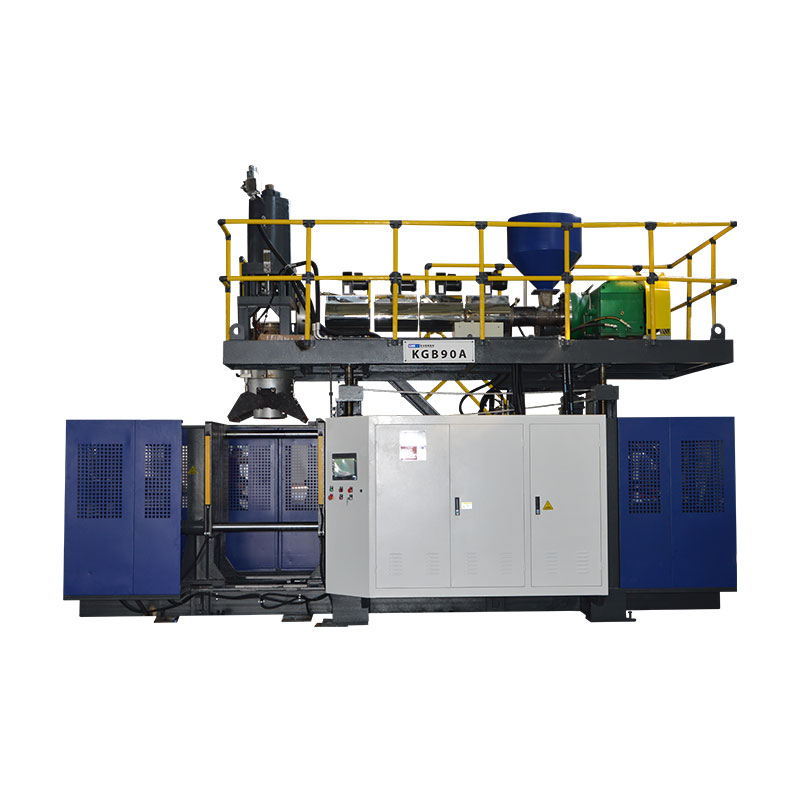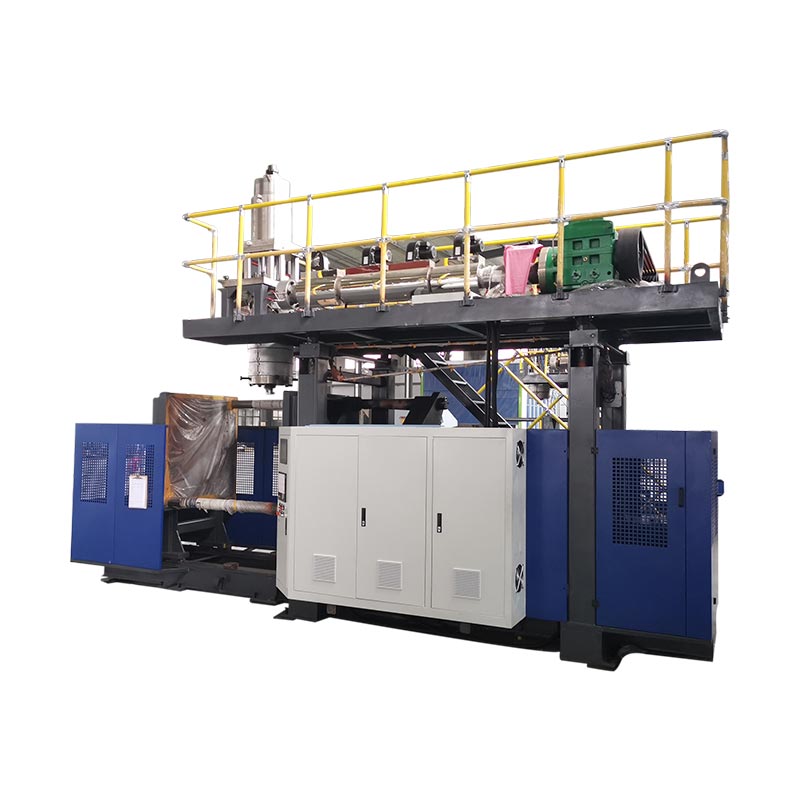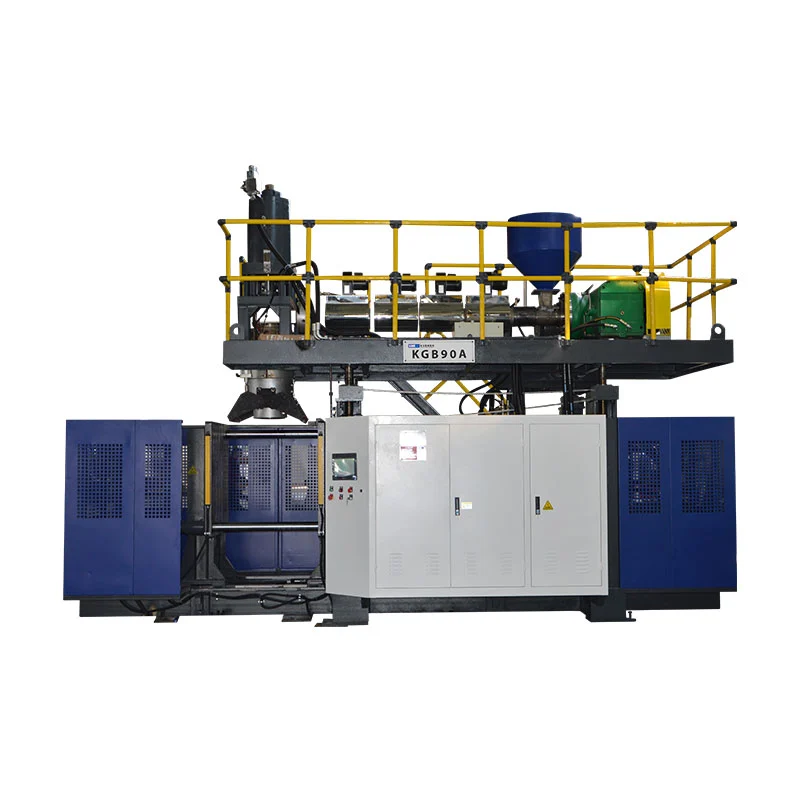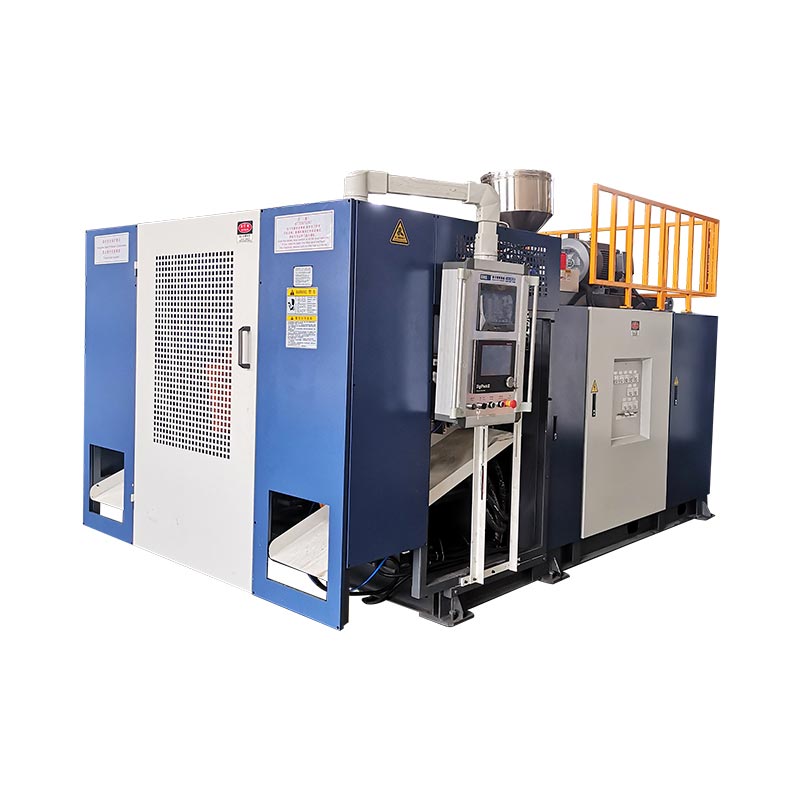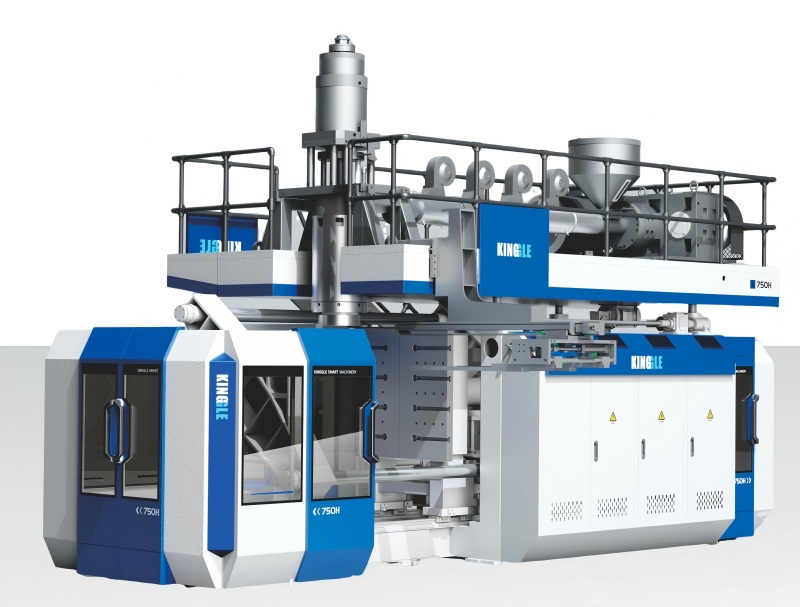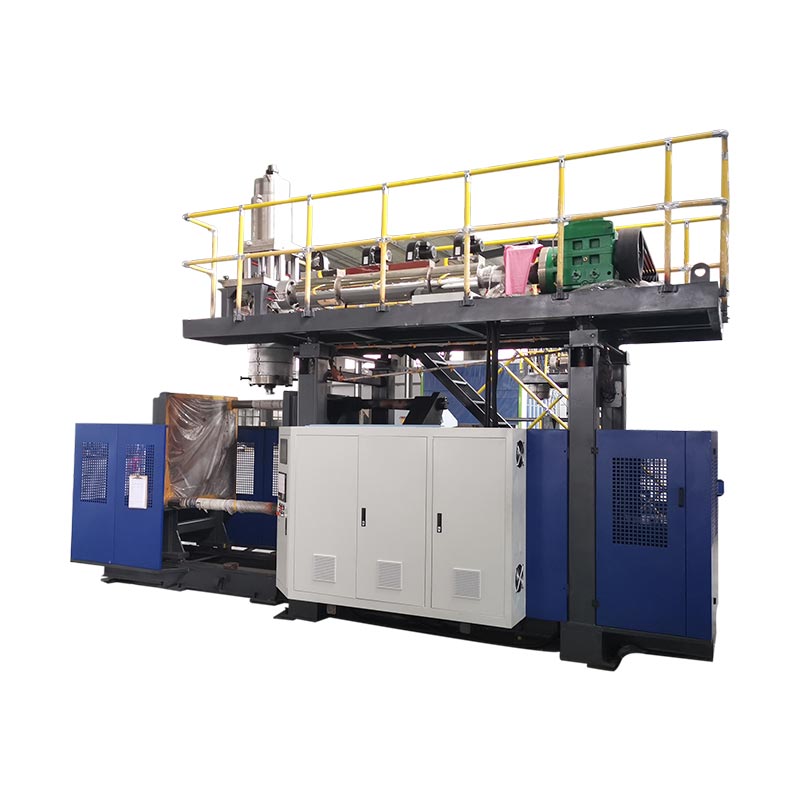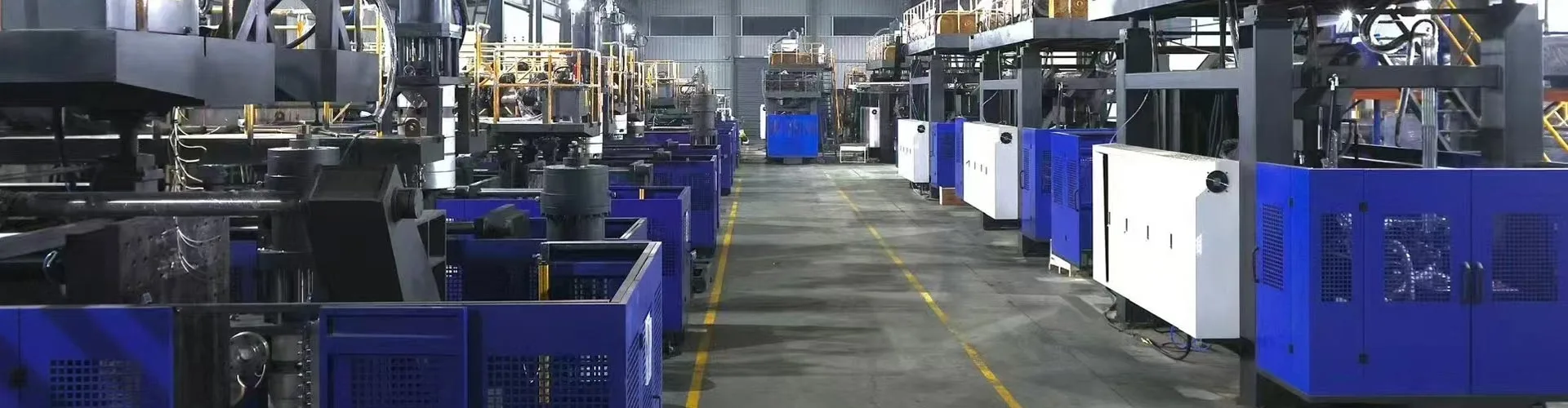
Injection blow molding (IBM) forms a preform by injection molding before blowing the container body. Extrusion blow molding (EBM) starts with an extruded hollow tube, called a parison, which the mold captures and inflates. Both produce hollow parts. Their different starting shapes affect neck formation, product geometry, tooling and finishing.
For a bottle project, the useful comparison is whether each route can meet the same product requirements, and what it costs to deliver the required number of accepted containers. IBM deserves close consideration when neck consistency is a major requirement. EBM deserves consideration for a wider range of hollow shapes, including designs requiring handles. Small bottles can fall within both routes.
The terms injection blow moulding and extrusion blow moulding use the British spelling of the same processes.
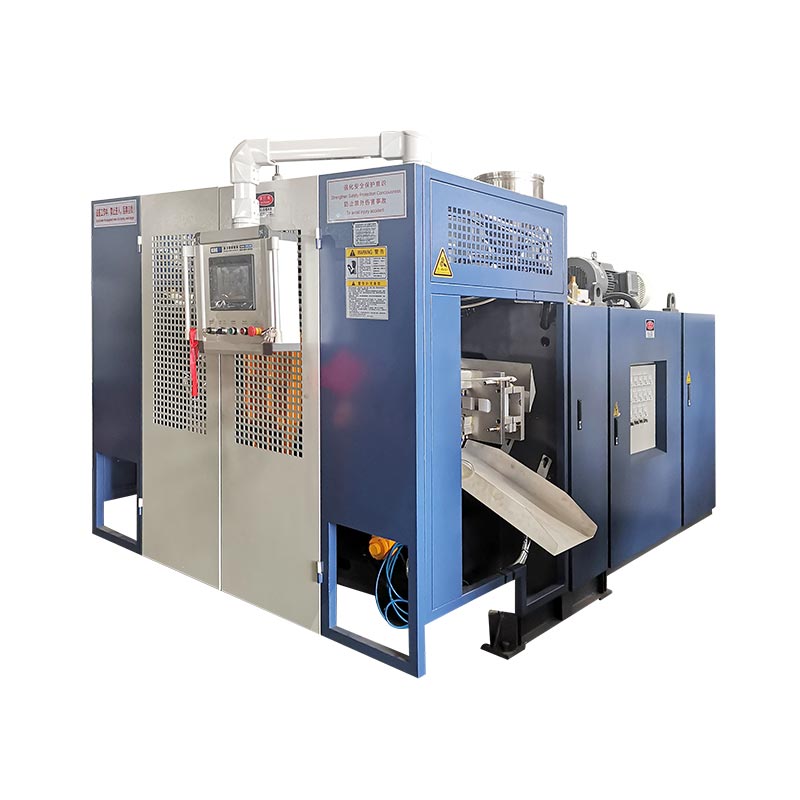
Injection blow molding vs extrusion blow molding: key differences
Start with the differences that change the product or the production cell. A process name alone does not establish a tolerance, output rate or cost advantage.
| Comparison | Injection blow molding | Extrusion blow molding |
|---|---|---|
| Starting shape | An injection-molded preform carried on a core rod. | A hollow parison extruded through a die. |
| Neck formation | The preform tooling forms the neck before the body is blown. | The neck system depends on the mold, blow tooling and any calibration or finishing operations. |
| Product geometry | Review the design against preform and core-rod requirements. | Review parison placement and pinch-off for handles, offset openings and irregular shapes. |
| Product range | Often considered for small containers with demanding neck requirements. | Includes small bottles as well as larger containers and industrial hollow parts. |
| Tooling scope | Preform tooling, core rods and blow molds, with the required transfer and ejection arrangement. | Head/die tooling, blow molds and blow tooling, plus required finishing equipment. |
| Trim and material use | Avoids the normal parison pinch-off trim, but startup, changes and rejects still need accounting. | Pinch-off and other trim need removal; permitted reuse affects net material cost. |
| Production comparison | Compare accepted containers per planned hour, including cavities, downtime and downstream limits. | |
| Cost comparison | Compare the complete equipment and tooling scope against the same product specification and demand. | |
The process sequence and overlapping applications are described in the University of Michigan's Visual Encyclopedia of Chemical Engineering Equipment. Use these distinctions to screen a project, then request evidence for the proposed machine and toolset.
How do injection and extrusion blow molding work?
What is injection blow molding, and how does it work?
In IBM, an injection unit fills the preform mold around a core rod. This stage establishes the neck geometry and the material available for the bottle body. The preform then moves to the blow mold, where air expands it against the cavity. After cooling, the machine releases the container.
A common arrangement uses preform, blowing and ejection stations, with several cavities operating together. The supplier should identify its actual station layout, transfer arrangement and definition of a complete production cycle. The University of Michigan process explanation illustrates this sequence.
What is extrusion blow molding, and how does it work?
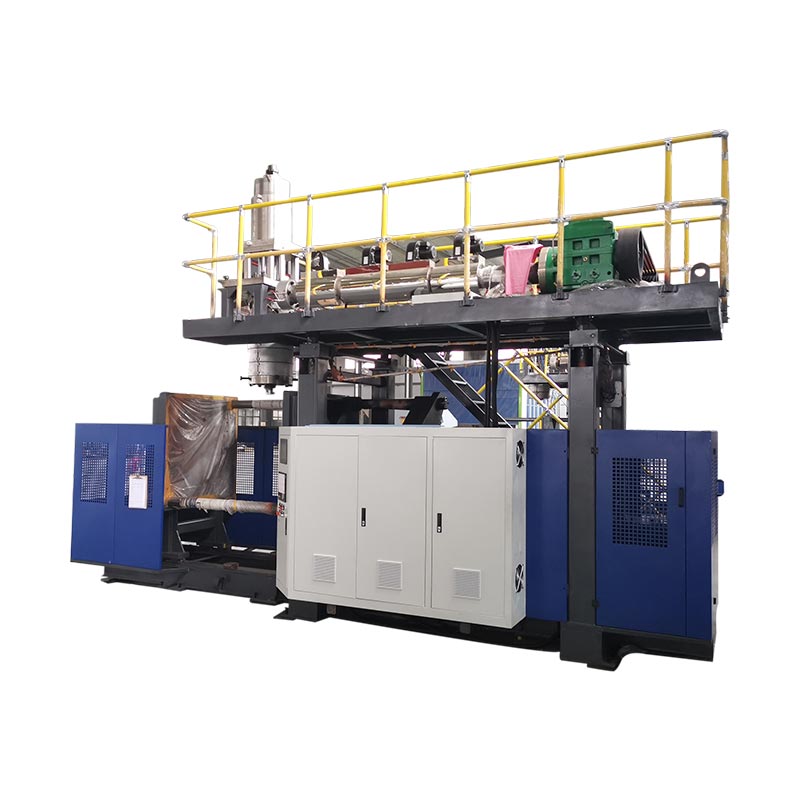
The extrusion blow molding process begins when the head extrudes a molten parison. The mold closes around it, pinches the necessary areas and captures the material. Air inflates the parison into the cavity. The part cools, leaves the mold and goes through the finishing operations required by that system.
The extrusion head's die forms the parison; the extrusion blow mold forms the exterior of the container. They are different tooling items. Continuous extrusion and accumulator-head operation are EBM supply arrangements, which should be selected for the part and production requirement.
Keep ordinary injection molding and stretch blow molding separate
Ordinary injection molding makes a finished part in the injection mold. IBM uses injection molding as a stage before blowing a hollow body. A comparison of blow molding vs injection molding therefore answers a broader question than IBM vs EBM.
Likewise, extruding pipe or profiles is not extrusion blow molding. Stretch blow molding adds a stretching operation and needs its own assessment, especially for a PET bottle project. The blow molding machine types guide separates these routes.
Which bottle designs and applications suit each process?
Small bottles: where the applications overlap
A small bottle is not automatically an IBM project. LyondellBasell's EBM overview describes applications ranging from small eye-drop squeeze bottles to large tanks. Capacity is useful for screening equipment, but it does not settle the process choice.
For a small personal-care or dispensing bottle, compare neck and closure requirements, squeezability, shape, contents and inspection requirements. Injection-blow-molded bottles and extrusion-blow-molded bottles may both deserve sample and tooling reviews. An industry label such as pharmaceutical or cosmetic packaging is not a substitute for those requirements.
Handles, offset necks and irregular hollow shapes
An integral handle changes the review. The proposal must explain how material reaches the handle area, how the tooling forms it and where finishing occurs. Offset openings and irregular sections also require a drawing-based assessment of material distribution and tooling access.
EBM is a useful route to investigate for these features because the mold captures a parison that can be shaped and pinched. Ask the supplier to demonstrate the actual geometry. Do not carry a recommendation for one handled bottle over to every hollow part.
Large containers and industrial hollow parts
As the part gets larger or moves beyond a conventional bottle, the machine review expands to include available material per shot or extrusion interval, mold space, clamping, handling and cooling. These requirements can dominate the decision before neck precision or unit price becomes decisive.
For shaped technical parts, the automotive blow molding guide follows drawing and material requirements through to equipment selection. A small-bottle comparison should not be used to approve a fuel tank or another application with separate validation requirements.
Neck accuracy, wall thickness and finished-part quality
Injection blow molding advantages and limitations
The neck is an important reason to evaluate IBM. Because it forms during preform molding, it does not depend on expanding the bottle body to create the same geometry. LyondellBasell reports lower shrinkage and warpage in the thread region compared with EBM, with a benefit to tightness.
That is a reason to investigate IBM, not a tolerance guarantee for an untested bottle. Define the neck finish, sealing surface and closure combination on the drawing. Specify how and when they will be measured. An EBM proposal should receive the same review against the actual requirement, using its mold, blow tooling and finishing capability.
IBM also brings a preform and core-rod toolset that must suit the bottle design and product mix. A neck advantage can justify that arrangement, but it does not remove the need to check geometry, changeover and investment.
Check wall distribution separately from total weight
A bottle can meet its weight target while carrying too little material at a corner, shoulder or base. Compare wall measurements at specified locations and the finished package's required performance. Preform design matters on the IBM side; parison distribution and stretch into the cavity matter on the EBM side.
For EBM, parison programming and wall-thickness control explain why material placement deserves its own review. Neck consistency, total weight and wall distribution are separate acceptance questions.
Choose tests that match the container's use. ASTM D2463-23 addresses drop-impact resistance of water-filled, blow-molded thermoplastic containers. Its public scope illustrates why the test specimen and method matter; it does not establish one drop height for every package or prove that either process has passed.
For empty rigid containers evaluated under differential pressure, ASTM D4991-25 describes a vacuum leakage method. That scope should not be treated as the operating recipe for every inline leak tester. Agree the relevant method and acceptance criteria for the actual package.
Materials, regrind and multilayer requirements
Match the grade to the process, not just the polymer name
Polyethylene and polypropylene appear in both process discussions. LyondellBasell describes PE and PP resins for IBM and identifies HDPE, PP and other polyethylene families in its EBM information. This does not make every grade interchangeable between the two.
Request a grade recommendation for each route against the same finished-product requirement. Check processing suitability alongside stiffness, squeezability, appearance and resistance to the intended contents. Comparing two process-appropriate grades may be more meaningful than forcing the same grade onto both machines.
Separate trim generation, permitted reuse and net resin consumption
EBM trim is a material flow that needs accounting. Its economic effect depends on how much can be recovered, whether the recipe permits reuse and what handling or reprocessing costs follow. Counting all trim as permanent loss overstates consumption; treating every kilogram as freely reusable understates it.
IBM avoids the normal parison pinch-off trim, but the production record should still include startup material, purging, changeovers, samples and rejected bottles. A low-trim process is not an automatically waste-free factory.
For either route, reconcile incoming material, permitted recovered material, accepted product, external losses and changes in work-in-process over the same period. Do not count recovered trim as a fresh material purchase each time it circulates.
Multilayer and recycled-feedstock requirements should enter the specification before equipment comparison. The multilayer equipment guide and recycled-HDPE qualification guide cover those separate decisions.
Is injection blow molding or extrusion blow molding cheaper?
Either can be the better economic choice for a defined project. Compare technically suitable proposals against the same container, acceptance criteria, demand and production calendar. A lower price for a different specification is not a saving on the original job.
Compare the complete tooling and production scope
| Field | What both proposals must make clear |
|---|---|
| Product | Drawing revision, capacity, closure, weight or performance requirement, and permitted material recipes. |
| Toolset | All required preform, core-rod, head, die, blow-mold and finishing items, as applicable to each route. |
| Cell boundary | Main machine, utilities, auxiliaries, trimming, conveying, inspection and reject handling included in the price. |
| Production basis | Containers per cycle, cycle definition, planned hours, downtime assumptions and final accepted quantity. |
| Operating inputs | Net resin consumption, labor, utilities, maintenance and changeover on a consistent accounting basis. |
| Acceptance and support | Sample approval, trial conditions, measurement records, handover scope and any exclusions. |
Calculate cost per accepted container
A simple comparison is C(N) = F / N + v. Here, C is cost per accepted container, F is the fixed cost allocated to the agreed comparison period, N is accepted containers in that period, and v is variable cost per accepted container. Use one currency and avoid counting the same tooling allocation in both F and v.
If an IBM proposal has higher F but lower v than an EBM proposal, the simplified equal-cost quantity is:
N* = (FIBM − FEBM) / (vEBM − vIBM)
This positive crossover applies only when both differences have those signs, both proposals meet the product specification and both can supply the compared quantity. Use actual quotations and operating inputs. Changes in resin use, rejected output, maintenance or product mix can move the result. If both costs favor one proposal, this particular crossover model does not apply.
The cost-per-container guide expands the accounting. Keep gross trim, net material purchases and accepted output distinct when filling it in.
Production rate, cavity count and changeover
A cycle time is incomplete without the number of containers produced in that cycle. For a repeated operating cycle, a useful planning calculation is:
Accepted quantity = (3,600 / cycle seconds) × containers per cycle × planned hours × running-time fraction × final acceptance fraction
The running-time fraction is actual running hours divided by planned hours. The cycle time should describe operation while running; do not deduct the same slowdown or stop twice. If conveying, trimming or inspection limits the cell, use the achievable cell rate. The production-rate guide explains this boundary.
A hypothetical 500 mL bottle project
If I were reviewing a hypothetical 500 mL HDPE bottle project requiring 600,000 accepted bottles in 800 planned hours, I would first require both routes to meet the same neck, closure and finished-container requirements. I would then compare the following assumed inputs. They illustrate the calculation and are not results from a Kinggle machine or customer trial.
| Input or result | IBM proposal | EBM proposal |
|---|---|---|
| Containers per complete cycle | 4 | 2 |
| Cycle while running | 14 seconds | 9 seconds |
| Planned production time | 800 hours | 800 hours |
| Running-time fraction | 85% | 90% |
| Final acceptance fraction | 98% | 97% |
| Calculated accepted quantity | 685,440 bottles | 558,720 bottles |
Under these assumptions, the IBM proposal covers demand. The EBM proposal falls short by 41,280 bottles and needs about 59.1 additional planned hours if its other inputs stay unchanged. The faster nine-second cycle does not compensate for the lower number of bottles per cycle.
I would next check whether the quoted cycle includes the full repeatable sequence, whether downstream equipment can sustain the rate, and how the additional hours affect cost. A different cavity count or operating record could reverse the comparison. The process sequence is described by the University of Michigan; the numerical inputs here are illustrative assumptions, not data from that source.
Include product mix and changeover
A long run of one bottle and a schedule with frequent mold, color or material changes need different planning inputs. Ask what must change, how long the proposed change takes and what evidence releases the next product. Use the changeover guide to define that scope.
Annual volume is one input, not a universal threshold at which IBM becomes economical or EBM stops being suitable. The toolset, accepted rate and time spent between products determine what the production calendar can deliver.
How to choose between IBM and EBM for your project
- Confirm product feasibility: drawing, material requirements, shape, openings, handles and layer structure.
- Confirm quality and function: neck and closure, wall distribution, contents compatibility, measurements and finished-package tests.
- Confirm production fit: demand, product mix, complete-cell output, changeovers and planned hours.
- Compare cost among the proposals that pass the first three checks, including exclusions and required extra capacity.
If I were responsible for a project comparing IBM and EBM, I would list the neck, closure arrangement and critical wall locations before opening the equipment quotations. For a bottle that meets its weight target but leaks, I would separate neck dimensions, the sealing surface and weak body regions, then check the measurement and leak-test conditions before asking for more material.
I would require both routes to demonstrate the same finished-product drawing, while confirming grade suitability for each process. On EBM, I would review parison distribution, blow-tool positioning, pinch-off and trimming. On IBM, I would review the preform, core rods and neck formation.
During trials, I would record startup material, trim, reuse and rejects separately. Trimming and inspection would belong in the rate review whenever they fall within the delivery scope. I would then request samples, measurement records and complete-cell accepted output before comparing container cost. A low quotation with unclear acceptance boundaries needs better evidence.
This sequence can favor IBM, favor EBM, leave both routes open for trials, or identify a need for another process. A product drawing that fails a mandatory requirement should stop the price comparison until the supplier resolves it.
Injection blow molding machine vs extrusion blow molding machine: what changes?
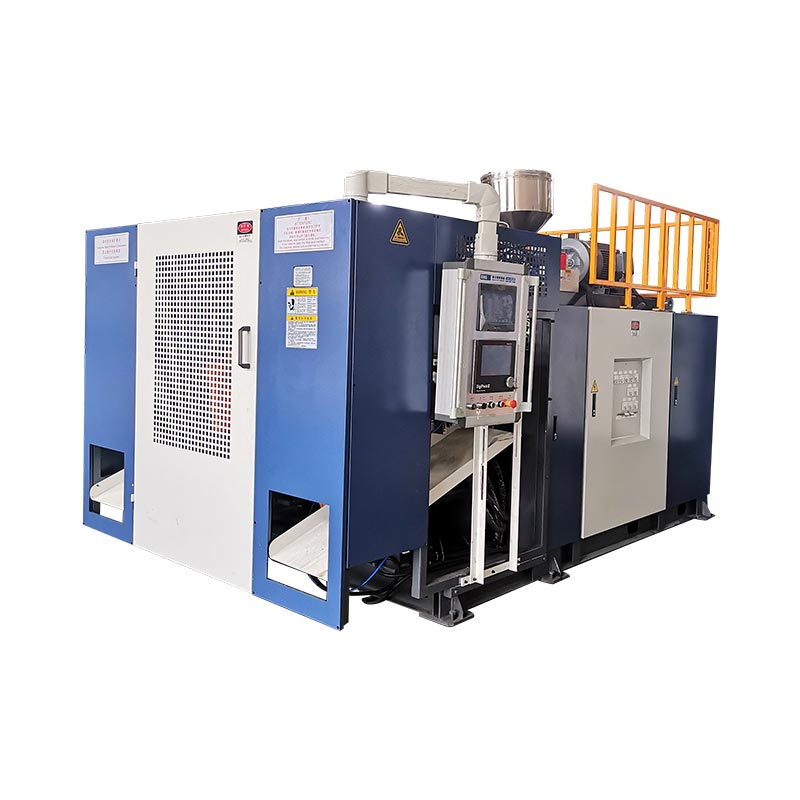
An injection blow molding machine coordinates the injection unit, preform tooling, core rods, transfer, blowing and release. An extrusion blow molding machine coordinates the extruder, head/die, mold closing, blowing and the required part-handling and finishing operations. Confirm the supplier's layout and complete scope; replacing a mold does not turn one machine type into the other.
EBM platforms to discuss after the process decision
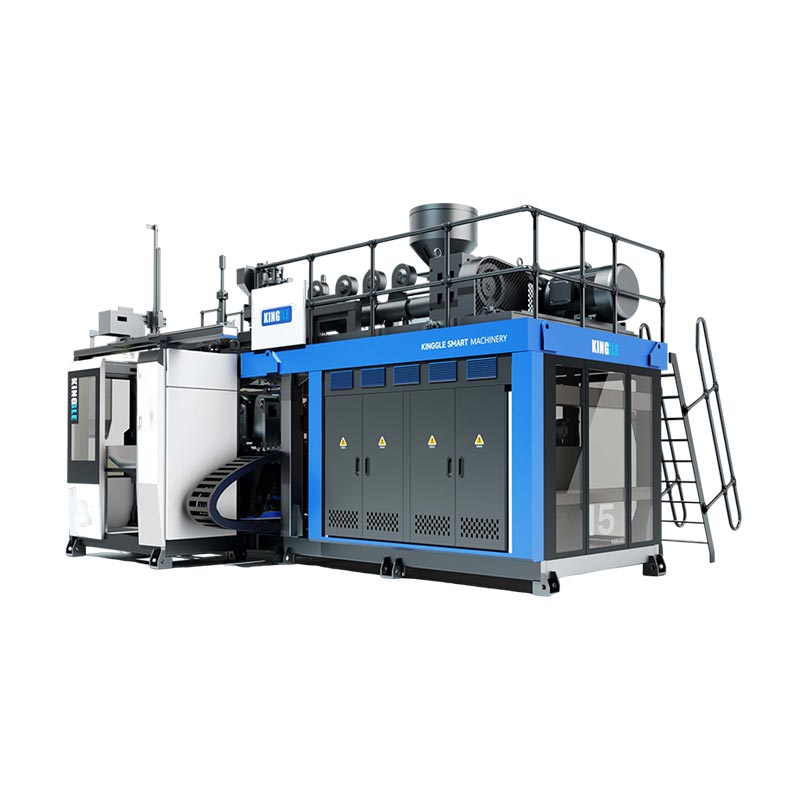
For an EBM shortlist, Kinggle's KGB2L single-station page lists a maximum container capacity of 2 L and describes two-, three- or four-head configuration options for 100 mL to 1 L bottle production. That is a catalog starting point for reviewing head spacing, tooling and the actual bottle requirement.
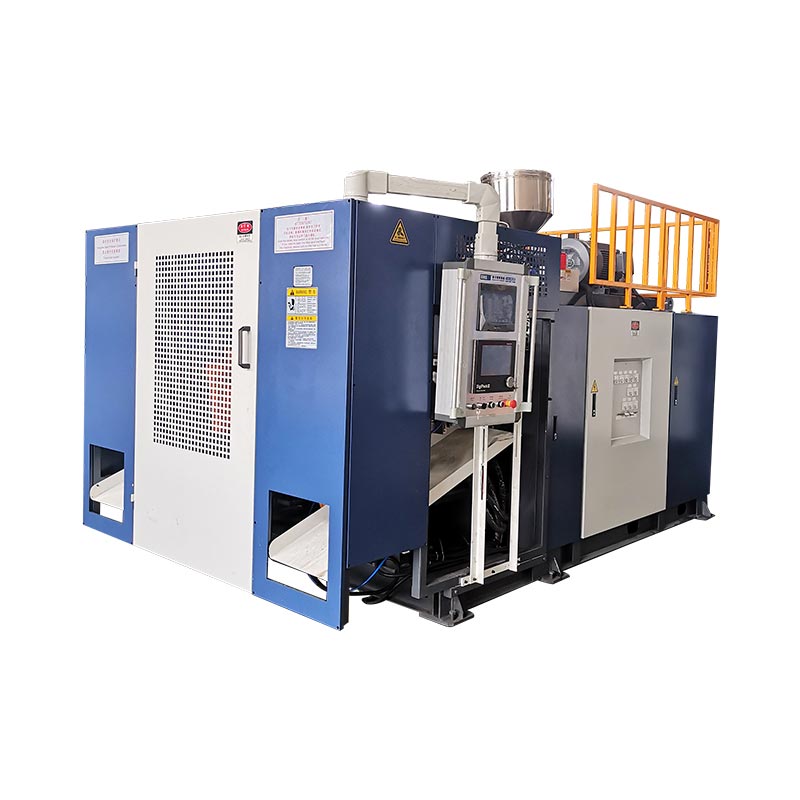
The KGB5L page describes a single-station continuous EBM platform. For either model, request the proposed head arrangement, mold compatibility and trial conditions. Catalog dry-cycle values are not finished-bottle output. For an IBM shortlist, compare a dedicated IBM machine and toolset against the same specification.
Send a comparable RFQ package
Provide a drawing with its revision, capacity, weight or performance requirement, closure details, material requirements and permitted recipes. Add the key wall locations, relevant test methods, demand, SKU mix and intended production calendar.
Ask each supplier to return the complete machine and tooling scope, auxiliaries, finishing and inspection arrangement, rate calculation, trial conditions and acceptance records. If EBM is selected, the HDPE bottle machine selection guide provides a more detailed equipment review.
Frequently asked questions
Is injection blow molding the same as injection molding?
No. Ordinary injection molding forms the finished part in the injection mold. Injection blow molding first forms a preform and then blows its body into a hollow container. Comparing IBM with EBM is therefore different from comparing ordinary injection molding with blow molding.
Can extrusion blow molding make small bottles?
Yes. EBM includes small-container applications as well as large hollow parts. A small bottle can justify reviewing both IBM and EBM. Neck and closure requirements, material suitability, geometry, accepted output and complete cost should determine the shortlist.
Does injection blow molding eliminate all material waste?
No. IBM avoids the normal parison pinch-off trim associated with EBM, but startup, purging, changes, samples and rejected bottles still require material accounting. Compare net material consumption per accepted bottle rather than treating either process as automatically waste-free.
Can the same resin grade and mold be used for both processes?
Do not assume so. Grades within the same polymer family can have different processing suitability. IBM and EBM also need different tooling arrangements. Confirm the proposed grade and complete toolset for each route against the same finished-product requirements.
Is PET bottle production an IBM or stretch blow molding decision?
A PET bottle project needs its own process review. Injection stretch blow molding includes stretching as well as blowing and should not be treated as identical to IBM. Specify the container, material and production requirement before selecting a machine category.
Does a more consistent neck finish remove the need for container testing?
No. Neck measurements address only part of the package requirement. The bottle body, closure assembly and intended use still need the agreed checks. Select applicable test methods and acceptance criteria for the actual container rather than inferring approval from the molding process.
Take the same product specification to both suppliers
For an EBM equipment review, send the bottle drawing, material requirements, closure details, acceptance conditions and demand schedule through Kinggle's contact page, email sales@kinggle.com or call +86-574-87103665. Ask for a configuration tied to those inputs and a clear trial and delivery scope.
The strongest IBM vs EBM comparison starts with a container both routes can actually make, checks the required quality and accepted production rate, and then compares cost. That gives a buyer a defensible shortlist and a specific set of questions for the next quotation.